Rodent Species as Pets: Behavior, Care, and Common Myths
The Enchantment of Rodent Companions
With their petite sizes and various personalities, rodents have emerged as delightful companions in many households across the United States. Their behavior can be both fascinating and heartwarming, drawing in enthusiasts who appreciate the subtleties of these little creatures. Consider hamsters, whose giant cheek pouches make them look comical, or guinea pigs, whose wide range of vocalizations can effectively communicate their moods. Such characteristics not only provide entertainments but also deepen the bond between pet and owner.
Popular Rodent Species and Their Care
Each species of rodent brings unique traits and requirements, making it essential for prospective owners to be well-informed about their chosen pet.
- Hamsters: As predominantly nocturnal animals, hamsters are most active at night. This means their peak playtime could align perfectly with your evening routine! They thrive in spacious habitats with ample opportunities to burrow and explore, promoting natural behaviors that keep them mentally stimulated.
- Gerbils: These lively creatures are social by nature and often seen happily interacting with one another. It is advisable to keep them in pairs to ensure their emotional well-being as they engage in communal activities like grooming and playing, which helps prevent loneliness.
- Rats: Renowned for their intelligence, rats can learn tricks, navigate mazes, and even be litter-trained. Engaging with them daily is crucial, as they crave social interaction not just with their own kind but also with humans, forming deep bonds that can last for years.
- Guinea Pigs: What sets these animals apart is their ability to form strong relationships with their owners. They exhibit a range of emotions and can even recognize their human companions by voice and sight. Regular handling and socializing can enhance their affectionate nature, making them a joy to have around.
Debunking Common Myths
Despite their charm and appeal, many misconceptions surround rodent ownership that can lead to misguided care practices. Addressing these misunderstandings is vital for ensuring a fulfilling experience for both the pet and the owner.
- Rodents are dirty animals: This myth overlooks the importance of hygiene habits in rodents. They often groom themselves thoroughly and generally need clean habitats to thrive, with regular spot cleaning and bedding changes ensuring a healthy environment.
- They are not affectionate: Many owners have described their bonds with guinea pigs and rats as deeply affectionate, often seeing their pets seek physical contact, beg for attention, or even greet them as they come home.
- All rodents require minimal care: While some rodents may need less effort, many species require significant care. Factors like social interactions, habitat enrichment, and proper diets are essential for their well-being and happiness.
Understanding these aspects of rodent care and companionship is fundamental for anyone looking to add a furry little friend to their household. By demystifying common myths and recognizing the unique needs of each species, potential owners can make informed decisions that lead to rewarding experiences. In doing so, they embark on an exciting journey alongside their rodents, filled with learning, laughter, and love.
Understanding Rodent Behavior: A Closer Look
To fully appreciate the joy of having rodents as pets, it’s essential to understand their unique behavior and what motivates them. Each species displays its own set of traits and interactions, which not only provide insight into their personalities but also guide owners in creating a nurturing environment. Being aware of these behaviors can lead to a more harmonious relationship between pet and owner.
Key Behavioral Traits of Popular Rodent Species
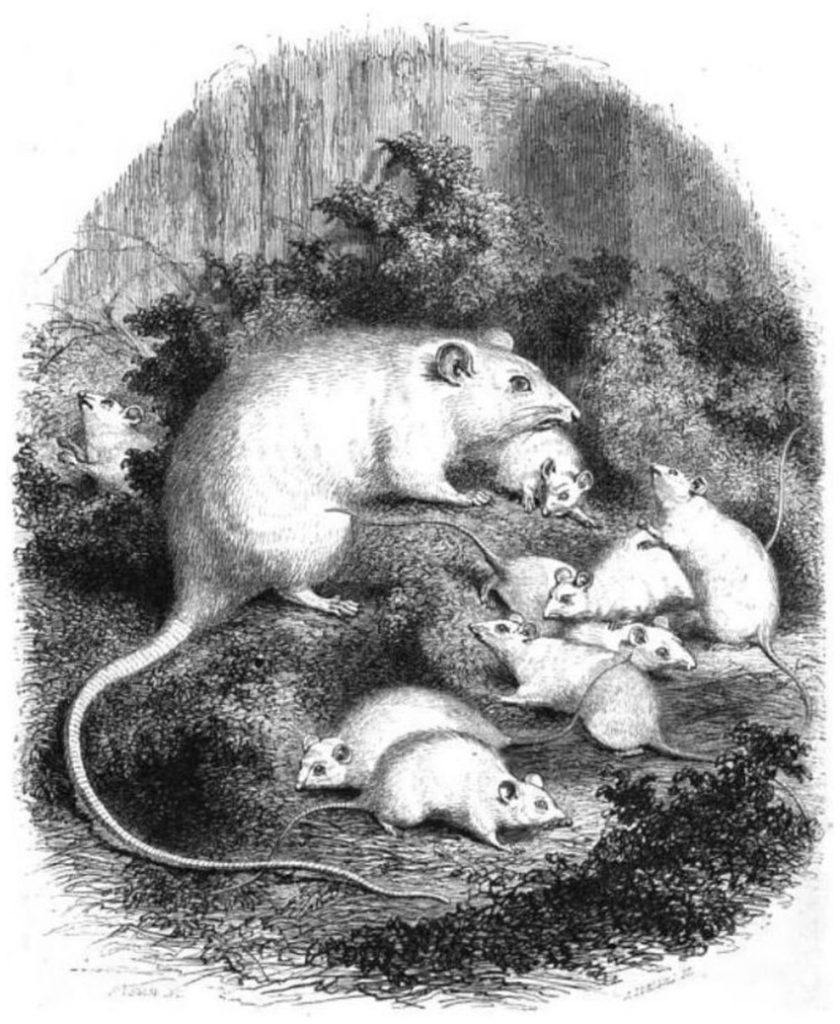
Many people are drawn to rodents due to their animated and often quirky behaviors. Here are some key traits to note:
- Hamsters: These small critters are known for their energetic runs on wheels and amusing antics, especially when foraging for food or building nests. Their natural instincts are best observed during playtime, so creating a varied environment with tunnels and toys enhances their playful nature.
- Gerbils: Highly social animals, gerbils are notorious for their digging habits. This instinctual behavior not only entertains but also serves as a crucial part of their well-being. Owners often notice gerbils engaged in cooperative behaviors, such as grooming one another, reinforcing their social bonds.
- Rats: The intelligence of rats is truly remarkable. They engage in complex problem-solving tasks, showcasing their ability to learn and adapt. Their playful antics can include hide-and-seek games with their human companions, which adds a layer of interaction that is deeply rewarding.
- Guinea Pigs: The vocalizations of guinea pigs—ranging from chirps to wheeks—are not just sound for sound’s sake; they convey emotions and needs effectively. These sounds can indicate excitement, distress, or the desire for attention, highlighting the importance of regular interaction to foster a strong bond.
Providing Comprehensive Care for Rodent Pets
Caring for rodents goes beyond basic feeding and habitat maintenance. Understanding their unique needs and behaviors enables owners to create optimal conditions for a thriving pet. Essential elements include:
- Nutrition: Each species requires a tailored diet to meet its specific health needs. For example, hamsters benefit from a mix of pellets and fresh vegetables, while guinea pigs need a constant supply of vitamin C-rich foods, such as bell peppers or leafy greens.
- Socialization: Rodents are social creatures that thrive on interaction. Regular handling, playtime, and enrichment activities are vital to reduce stress and foster a positive atmosphere in their habitat.
- Habitat Requirements: A clean, spacious, and stimulating environment is crucial. Providing toys, tunnels, and escape routes maximizes their physical activity and satisfies their natural instincts.
By understanding the behavioral attributes and care requirements of each rodent species, owners can make informed decisions that enhance their life together. Embracing the joys of rodent companionship leads to a richer experience that not only benefits the pets but also fills homes with laughter and connection.
Understanding Rodent Behavior and Care
Rodents, often underestimated as pets, demonstrate a fascinating array of behaviors and social structures that reveal their complex nature. Gerbils, hamsters, mice, and rats each exhibit unique traits that can enhance the companionship they offer. For example, social species like rats thrive on interaction, displaying emotional intelligence and often forming strong bonds with their owners. Understanding these behaviors is key to enriching their lives and ensuring a happy pet-owner relationship.Proper care for rodent pets is crucial for their health and well-being. A well-structured habitat is essential. This includes appropriate bedding, adequate space, and accessories that promote physical activity and mental stimulation. For instance, hamsters need room to run and play, while mice require opportunities for climbing and exploration. Furthermore, their diets must be carefully managed to include high-quality pellets, fresh fruits, and vegetables suitable for their species.Myths surrounding rodent care, such as the misconception that all rodents are low-maintenance, can lead to improper treatment. Many potential pet owners may not realize that despite their size, rodents can develop a range of health issues if not properly cared for. Educating oneself about each species’ specific requirements is fundamental in dispelling these myths and ensuring that they receive the care they deserve.In terms of socialization, some rodents crave companionship, making them ideal pets for families or individuals looking for an engaging and interactive pet. The playful antics of a gerbil or the cuddly nature of a fancy rat can provide joy and entertainment. However, it’s vital to remember that each species has its own social needs and preferences.By understanding rodent behavior and care, owners can avoid the pitfalls of common myths and provide a nurturing environment that fosters a lasting bond with their pets. Whether you are a novice pet owner or looking to expand your knowledge, understanding these aspects will greatly enhance your pet ownership experience.
Debunking Common Myths About Rodent Pets
As the popularity of rodents as pets continues to rise, so too do the myths and misconceptions associated with them. Understanding the truth behind these common beliefs not only aids potential owners in making informed decisions but also helps in fostering a deeper appreciation for these fascinating creatures.
Myth 1: Rodents Are Dirty and Carry Diseases
One of the most pervasive myths is that rodents are inherently dirty animals. While it’s true that any animal can harbor germs, proper care and regular cleaning of their habitats ensure that pet rodents are healthy and maintain a good standard of hygiene. For example, regular cleaning of their cages and providing appropriate bedding materials can significantly reduce odors and the risk of disease. In fact, many rodent species, such as rats and guinea pigs, undergo domestication and are kept in sanitary conditions, making them safe companions for families.
Myth 2: Rodents Are Low Maintenance
While it’s easy to assume that rodents require minimal care due to their size, this belief undervalues the commitment needed for their well-being. Each species has specific needs, from dietary requirements to social interaction. For instance, a neglectful approach can lead to obesity in hamsters or health issues in guinea pigs, who require a proper supply of timothy hay and leafy greens. Therefore, aspiring owners should be ready to invest time and effort into understanding and meeting their rodent’s needs fully.
Myth 3: Rodents Don’t Bond with Their Owners
Another misconception is that rodents lack the capacity to form bonds with humans. In reality, many rodent species are incredibly social and thrive on companionship, both with their owners and with other animals. For example, rats are known for their affectionate nature. They can recognize their owners, respond to their voices, and enjoy petting and playtime. Gerbils and guinea pigs exhibit similar social behaviors, enhancing their appeal as loving and interactive pets.
Myth 4: Rodents Are Noisy and Disruptive
Some people shy away from rodent pets due to concerns about noise levels. While it’s true that these animals can be active, especially at night, many owners find that their sounds are minimal compared to the joyful benefits they bring. Hamsters may create some noise while running on their wheels, and guinea pigs can be quite vocal when excited, but these behaviors usually provide entertainment and offer insight into their needs. By being mindful of their natural habits and creating a proper environment, owners can minimize any potential disruptions.
Myth 5: Rodents Have a Short Lifespan
Lastly, those considering adopting a rodent may be discouraged by the belief that they have short lifespans. While it’s true that different species have varying life expectancies, many can thrive for several years with proper care. For instance, a well-cared-for rat can live between 2 to 4 years, while guinea pigs often enjoy a lifespan of 4 to 6 years, and some may live even longer. This longevity allows for the development of deep, rewarding relationships between pets and their owners, debunking the myth that they are simply short-term companions.
By addressing these myths, potential pet owners can take a more informed approach when considering the joys and responsibilities of rodent companionship. Understanding their true needs and capabilities fosters a supportive environment, enriching both the pet’s and owner’s lives.
Conclusion: Embracing Rodent Companionship
As we conclude our exploration of rodent species as pets, it’s essential to recognize that these animals offer a diverse range of behaviors, care requirements, and the potential to forge meaningful relationships with their human companions. By debunking common myths surrounding rodents, we can pave the way for a new generation of pet owners who appreciate the unique qualities these small creatures possess.
Whether you’re drawn to the affectionate nature of rats, the playful antics of hamsters, or the sociability of guinea pigs, each species brings distinct joys to your home. Proper care, which includes appropriate diets, social interaction, and a clean living environment, is crucial for their well-being. By engaging with these animals thoughtfully and respectfully, potential owners can nurture happy, healthy pets that thrive in a caring atmosphere.
Furthermore, understanding that rodent companions are not merely short-lived pets, but creatures capable of deep bonds adds value to the decision of adopting one. With lifespans that can span several years and a commendable capacity for affection, these animals can become treasured members of the family.
As awareness grows around the capabilities and needs of pet rodents, we advocate for responsible ownership that prioritizes their physical and psychological health. In doing so, we ensure that the joys of rodent companionship flourish, illuminating the path for future owners to enjoy fulfilling interactions with these captivating animals.