The Diversity of Aquarium Fish Species: How to Choose the Best Habitat for Each Type
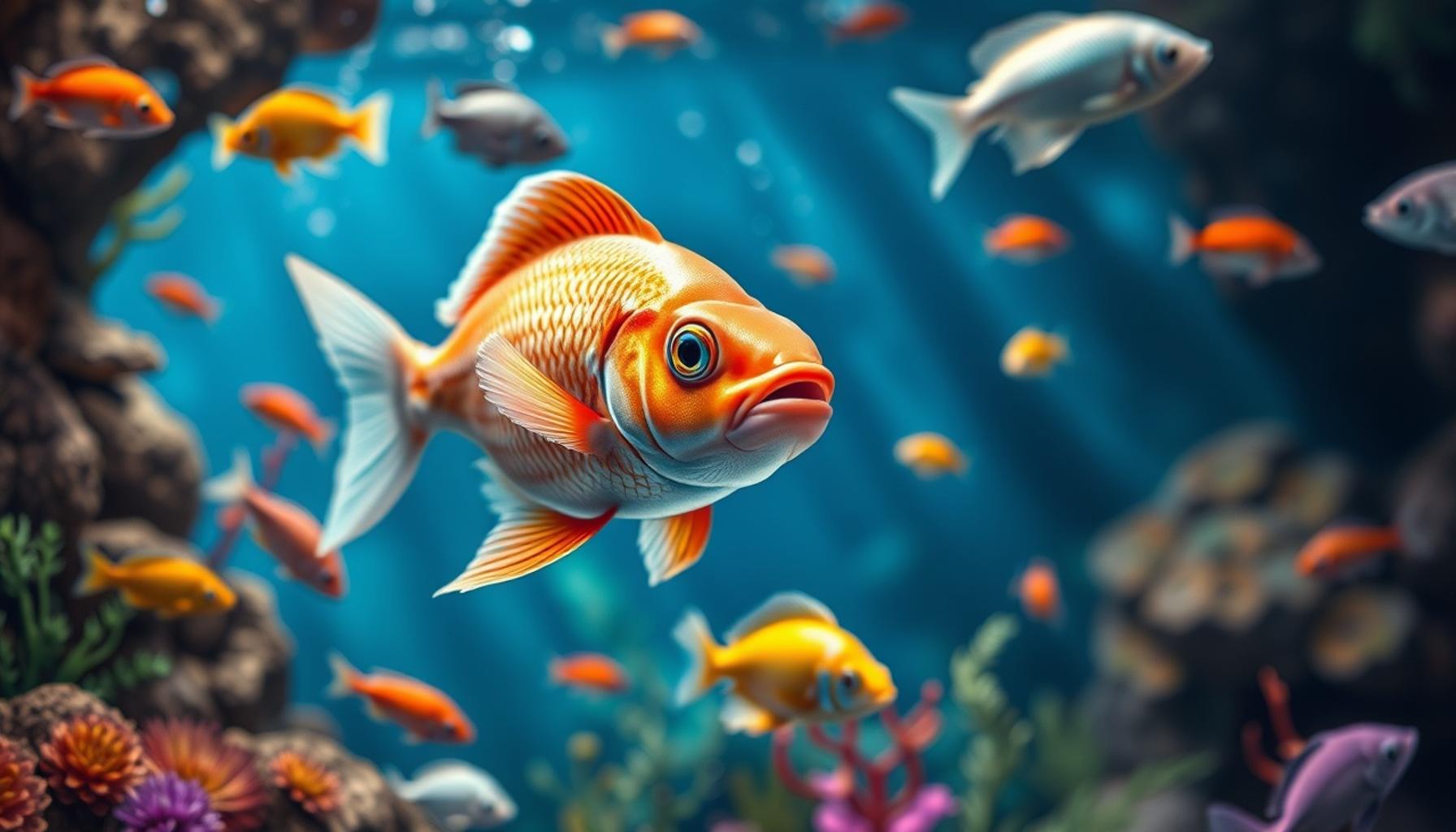
Exploring Aquarium Fish Species
The world of aquarium fish is a breathtaking tapestry woven from the colorful lives of countless species. Each fish not only brings its own visual charm but also has a unique personality that can enhance any home environment. Yet, the intricacies of keeping these aquatic creatures extend far beyond mere aesthetics. Understanding their specific habitat needs is crucial for maintaining their health and happiness, making your aquarium a thriving ecosystem.
Factors to Consider
- Water Temperature: Tropical fish, such as the popular Neon Tetra or the vibrant Clownfish, generally thrive in warm waters, ideally ranging from 75°F to 80°F. Conversely, cold-water species like Goldfish or White Cloud Mountain Minnows prefer temperatures around 60°F to 72°F. Maintaining the correct temperature not only ensures their comfort but also promotes healthy growth and behavior.
- Water pH: The pH level of the water is another critical factor. For instance, certain freshwater species, like Discus, flourish in acidic waters with a pH between 6.0 and 6.5, while others, like African Cichlids, prefer a more alkaline environment, around 7.5 to 8.5. Regular pH testing and adjustments are essential for the well-being of your fish.
- Tank Size: When it comes to aquarium size, the general rule is “the bigger the better.” Larger fish species, such as Angelfish, require ample swimming space and territorial room, ideally in tanks of at least 30 gallons. Smaller species, like Guppies or Endler’s Livebearers, can thrive in smaller tanks, though a minimum of 10 gallons is often recommended to maintain water quality and stable conditions.
Those who venture into the realm of aquariums must navigate these variables skillfully. For example, the Betta fish, known for its extraordinary colors and flowing fins, requires specific care: they thrive in warmer, slightly acidic waters and do not appreciate the presence of other males due to their territorial nature. Understanding these needs not only enhances the fish’s quality of life but also brings vibrant beauty to your home.
Discover More
In this article, we will delve into various fish types, their habitat requirements, and how to create an ideal environment tailored to each species. We will explore not only the basic needs of these fish but also discuss advanced techniques, such as aquascaping and water filtration, to cultivate a thriving aquatic landscape. Join us as we uncover the fascinating intricacies of aquarium fish diversity and the joy they can bring to your life, while also learning to provide them with the best possible care for longevity and health.
DISCOVER MORE: Click here to learn how to train your pet with clicker techniques
Understanding Species-Specific Habitats
As you embark on your aquarium adventure, one of the most rewarding aspects is the diversity of aquarium fish species available to enthusiasts. Each species offers a unique set of characteristics, behaviors, and most importantly, habitat requirements that must be understood to ensure a thriving aquarium. Not all fish can cohabitate, and many require specialized environments to flourish, leading to a more fulfilling experience for both the fish and the aquarist.
The Importance of Biotope Matching
A crucial concept in selecting fish for your aquarium involves biotope matching. In simple terms, this means creating an environment that mimics the natural habitat of the specific fish species you intend to keep. For instance, a community tank with species such as Tetras and Gouramis will require a different setup than a tank housing aggressive predators like African Cichlids.
By understanding the origins of your aquarium fish—from the lush Amazon River to the rocky shores of Africa—you can create a more harmonious and stable aquatic environment. For example:
- Amazonian Species: Fish such as Neon Tetras and Angelfish thrive in densely planted tanks with abundant cover. These species prefer subdued lighting and still waters, mimicking the conditions of their natural riverine habitats.
- Lake Malawi Cichlids: This category of fish requires rocky structures in their tank to simulate their natural environment. Known for their territorial nature, these fish need caves and crevices to establish their personal space.
- Marine Fish: Saltwater species like Clownfish and Tang require a more dynamic environment with proper filtration and water movement. They flourish in tanks that replicate coral reefs with live rock and specific water salinity levels.
Additional Considerations for Fish Selection
While biotope matching forms the foundation of a successful aquarium setup, there are several other critical factors to consider when choosing fish and their habitats:
- Compatibility: Some species are peaceful and can coexist in community tanks, while others are highly aggressive or territorial. Researching compatibility can prevent conflicts that may lead to stress or injury among fish.
- Diet: The dietary requirements of each species also vary significantly. While some fish are omnivorous and will accept flakes or pellets, others may need live food or specialized diets to thrive.
- Water Quality: Maintaining high-quality water conditions, including regular changes and monitoring for ammonia and nitrates, is essential for any aquarium’s health. Different species may have unique needs in this area, making it a fundamental aspect of fish care.
As you prepare to add biodiversity to your aquarium, remember that each species is an individual with its own needs and quirks. By paying attention to habitat requirements, you will not only provide a healthy environment for your fish but also cultivate a captivating underwater landscape. Join us as we delve deeper into the specifics of various fish species and their ideal habitats throughout this article.
| Category | Key Features |
|---|---|
| Freshwater Fish | Adaptable in various environments, they thrive in tanks with moderate lighting and plants. |
| Biotope Tanks | Replicate natural habitats, providing species-specific environments; essential for certain bacteria growth. |
| Species Compatibility | Certain species thrive together; understanding their needs can enhance tank dynamics. |
| Water Parameters | Temperature, pH, and hardness are crucial and can significantly impact fish health. |
Continuing with the topic of “The Diversity of Aquarium Fish Species: How to Choose the Best Habitat for Each Type,” it is essential to focus on the specifics of habitat requirements for various species. Freshwater fish, such as guppies and tetras, prefer well-planted tanks and stable water parameters. A well-structured biotope offers them a simulation of their natural environment, which is not only visually appealing but also vital for their well-being. When considering species compatibility, it’s crucial to understand how different species interact; some may require more space, while others thrive in schools. Exploring the dynamic interactions in an aquarium can provide valuable insights into creating a harmonious environment. Moreover, maintaining optimal water parameters, including temperature, pH, and hardness, is essential for promoting the health and longevity of your aquatic inhabitants. Understanding these complexities can vastly improve your aquarium keeping experience, making it more rewarding and enjoyable. As you delve deeper into selecting the right species and habitat combinations, you unlock the potential for a thriving underwater ecosystem that can be a centerpiece of your home or office.
DIVE DEEPER: Click here to learn about the impact of adoption organizations
Essential Elements of Fish Habitat
As you design your aquarium, it is vital to consider the essential elements that contribute to a healthy habitat for your fish. These elements not only cater to the specific needs of fish species but also create an aesthetically pleasing environment that mimics their natural surroundings. By focusing on these key components, you can ensure that your fish thrive and exhibit natural behaviors.
Water Parameters
The water parameters—including temperature, pH, hardness, and salinity—play a crucial role in determining the suitability of a habitat for your fish species. Each species has its own preferred range for these parameters, and deviations can result in stress or illness:
- Temperature: Tropical fish typically thrive in waters ranging from 75°F to 82°F, while some species like Goldfish prefer cooler temperatures around 65°F to 72°F. Investing in a good aquarium heater is essential for maintaining stable temperatures.
- pH Levels: The pH of the water affects fish health and reproduction. Freshwater species generally fare well in a pH range of 6.5 to 7.5, while some African Cichlids prefer more alkaline conditions, with pH levels above 7.8.
- Hardness: The hardness of water refers to the concentration of minerals such as calcium and magnesium. Soft water at 0-5 dGH (degrees of general hardness) is preferable for many Tetras, whereas Cichlids often require harder water to thrive.
Tank Decor and Structure
Investing in appropriate tank decor is essential to creating the right habitat. The choice of substrate, plants, rocks, and ornaments can significantly impact the livability of your aquarium:
- Substrate: Use fine sand for bottom-dwelling species like Loaches that thrive in a soft substrate, while larger gravel may suit Cichlids that enjoy digging.
- Plants: Live plants not only enhance the visual appeal of your aquarium but also provide vital shelter and spawning sites for many species. Fast-growing varieties like Hornwort can help absorb excess nutrients and improve water quality.
- Rocks and Caves: Fish such as dwarf Cichlids or various species of Catfish benefit from hiding spots that rocks and caves provide, allowing them to feel secure and establish their territories.
Water Movement and Filtration
Understanding the water movement needs of your fish can also impact their habitat experience. Some species prefer still waters, while others thrive in high-flow environments:
- Gentle Flow: Community fish like Guppies and Bettas enjoy calmer waters, so utilize filtration systems that provide adequate filtration without creating excessive current.
- Increased Flow: Conversely, fish native to rivers—like Barbs and some Tetras—benefit from more aggressive filtration systems that mimic their natural swift water currents.
Finally, regularly performing maintenance on your aquarium will help keep the habitat stable and secure for your fish. Regular water changes, substrate vacuuming, and monitoring chemical levels are all vital components of keeping your tank in optimal condition. By focusing on these elements, you can create a balanced and thriving ecosystem that meets the specific needs of your diverse aquarium fish species.
LEARN MORE: Click here to discover how to use nutritional supplements for your pets effectively
Conclusion: Crafting the Perfect Aquarium Ecosystem
In the fascinating world of aquarium fish, understanding the diversity of species is essential to creating a thriving aquatic ecosystem. Each fish species—from vibrant Tetras to majestic Angelfish—requires a unique habitat tailored to its specific needs. Through careful consideration of water parameters, tank decor, and water movement, aquarists can replicate natural environments that encourage healthy growth and natural behaviors.
As you embark on your journey in aquarium keeping, remember that knowledge is your greatest ally. Researching the preferred conditions of the fish species you wish to include will yield a harmonious community, reducing stress and promoting vibrant displays of color and activity. Moreover, the importance of regular maintenance cannot be overstated. Establishing a routine for water changes and monitoring chemical levels will not only ensure the well-being of your fish but will also help preserve the beauty of your aquarium.
In a world where aquatic life is as diverse as it is captivating, the effort you put into crafting the best habitat pays off in enriched experiences for both you and your fish. Explore aquatic forums, visit local fish stores, and even observe natural habitats to deepen your understanding. By embracing this learning journey, you will unlock the secrets of providing the best habitat for each unique aquarium fish species, fostering a stunning underwater world right in your home.