The Effects of Screen Time on Sleep Quality: Navigating the Digital Age
The Digital Dilemma
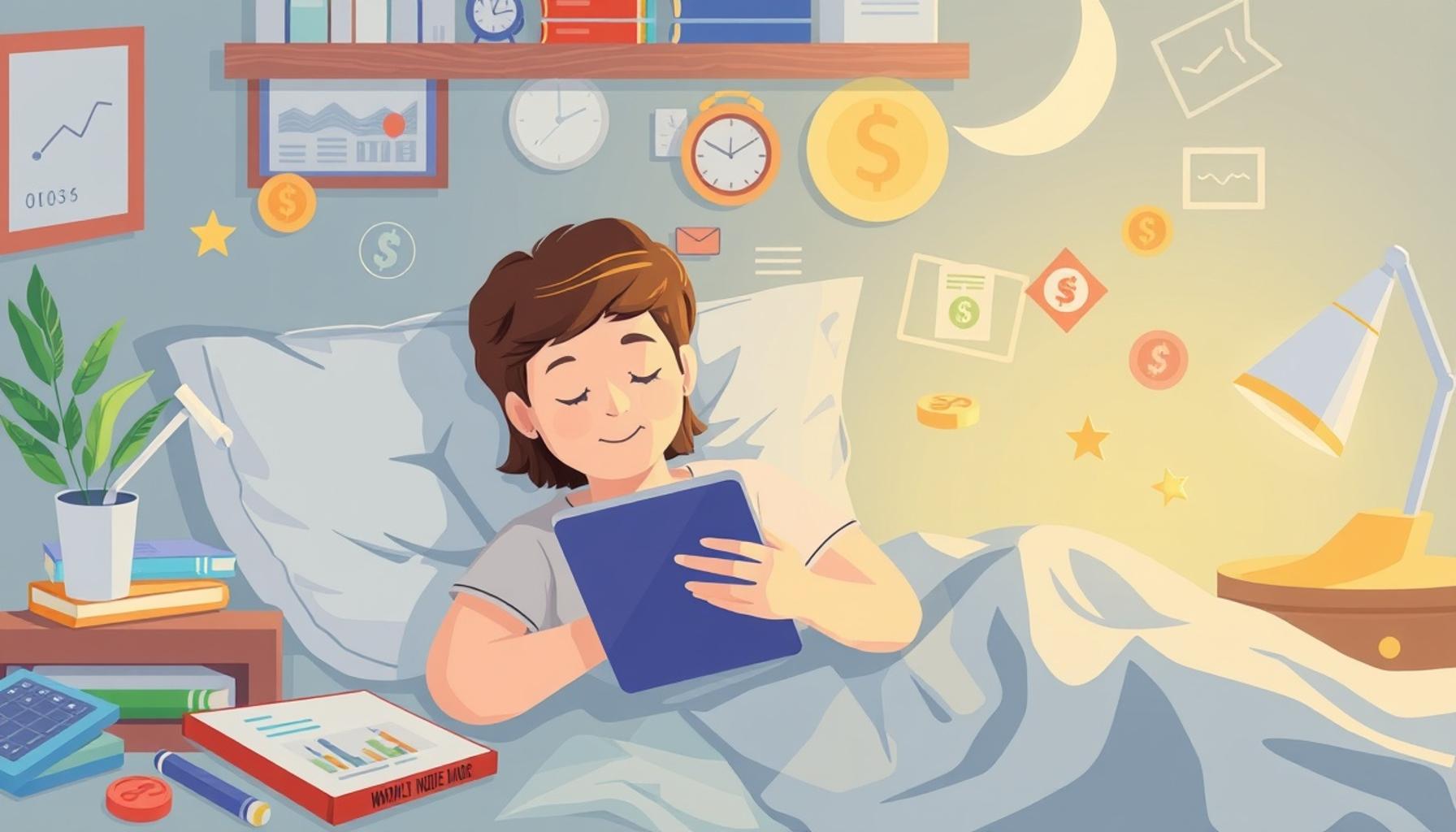
In today’s hyper-connected world, the glow of screens is a familiar companion. Whether it’s smartphones, tablets, or computers, our daily lives are increasingly mediated by digital devices. This constant engagement raises a pivotal question: how does screen time impact our sleep quality?
The Struggle is Real
Many individuals experience sleepless nights, often traced back to excessive screen usage. Notably, several studies highlight the connection between prolonged exposure to screens and disrupted sleep patterns. A prominent study conducted by the National Sleep Foundation found that nearly 90% of Americans report using screens within the hour before sleep. This pre-bedtime screen time can create obstacles to falling asleep quickly and achieving restorative sleep.
Consider the following factors contributing to disrupted sleep:
- Blue light emission – emitted from screens, it can hinder melatonin production. Melatonin, a hormone crucial for regulating sleep-wake cycles, can be suppressed by exposure to blue light, leading to difficulties in both falling and staying asleep. This artificial light interferes with natural circadian rhythms, urging users to rethink their evening routines.
- Social media – platforms designed to keep users engaged can lead to late-night scrolling. Research indicates that the short, engaging content on platforms such as Instagram and TikTok can create a cycle of compulsive viewing, encouraging users to stay up later than intended. In fact, studies suggest a direct correlation between high social media use and disrupted sleep quality.
- Content consumption – binge-watching shows or gaming can extend bedtime significantly. Popular streaming services have mastered the art of engagement, with autoplay features that seamlessly transition from one episode to the next. This can result in prolonged viewing sessions that push personal bedtimes further into the night.
Why It Matters
Adequate sleep is essential for overall health and well-being. In fact, lack of quality sleep can lead to:
- Decreased cognitive function – sleep deprivation impairs attention, problem-solving, and critical thinking abilities. Research has shown that sleep-deprived individuals perform similarly to those who are intoxicated, which can significantly impact daily activities.
- Increased stress levels – insufficient sleep can raise cortisol levels, the hormone associated with stress. Elevated stress not only affects mental health but also leads to physical health issues like hypertension and a weakened immune system.
- Negative mood swings – those who skimp on sleep are more vulnerable to developing anxiety and depression. The relationship between sleep and emotional health has garnered attention, indicating that poor sleep patterns can exacerbate mental health disorders.
As we navigate this digital age, understanding the effects of screen time on sleep quality becomes crucial. With growing awareness, individuals can adopt strategies such as setting evening screen time limits, utilizing blue light filters, and creating tech-free zones in homes. Exploring these dynamics not only enlightens us but also equips us with tools to promote better sleep hygiene in our technology-driven lifestyles.
The Science Behind Screen Time and Sleep
Understanding the impact of screen time on sleep quality requires a closer examination of how electronic devices influence our natural sleep patterns. Researchers have increasingly focused on the physiological effects resulting from our incessant reliance on screens. The findings are profound, revealing a worrying interplay between the digital and the biological.
Blue Light and its Disruptive Role
At the heart of the discussion lies blue light, which is prevalent in the screens of smartphones, tablets, and computers. This high-energy light inhibits the production of melatonin, the hormone that regulates our sleep-wake cycle. A study by Harvard University highlights that exposure to blue light for just two hours can suppress melatonin production for up to twice as long as exposure to the natural light of the sun. Consequently, this suppression leads to a significant delay in sleep onset, making it increasingly difficult for users to wind down after a long day.
The Psychological Impact of Digital Engagement
Moreover, screen time is not solely a physiological concern; it has psychological implications too. The constant notifications, alerts, and ever-refreshing feeds associated with our favorite apps can create a sense of urgency that disrupts relaxation. Research suggests that engagement with social media just before bedtime can lead to increased anxiety and restlessness, as users are often confronted with a cascade of information, both personal and global. This overstimulation can perpetuate the cycle of sleeplessness, fueling a restless night as the brain struggles to process the digital bombardment.
The Binge-Watching Phenomenon
Binge-watching has exploded in popularity, exemplified by the myriad of streaming platforms available today. This cultural phenomenon alters our perception of time and self-discipline. When users indulge in watching multiple episodes of their favorite series, they become engrossed in storylines, inadvertently ignoring their internal clocks. According to a study from the University of California, binge-watching results in an average delay of over two hours in bedtime among young adults, a trend that has been linked to deteriorating sleep quality. As shows end with cliffhangers, the urge to keep watching becomes irresistible, amplifying the struggle for sleep.
The Cumulative Effects on Health
The implications of poor sleep quality fueled by excessive screen time extend far beyond feeling tired the next day. A lack of restorative sleep can pave the way for a multitude of health issues. Those regularly sacrificing sleep may experience:
- Impaired immune function – chronic sleep deprivation is associated with decreased immune response, making individuals more susceptible to illnesses and prolonged recovery times.
- Weight gain – studies indicate a link between poor sleep and changes in metabolism, which can lead to weight gain and increased risk of obesity.
- Increased risk of chronic conditions – long-term sleep deprivation is correlated with a higher risk of conditions such as diabetes, cardiovascular disease, and even certain cancers.
As we delve deeper into the complexities of our digital habits, it becomes essential to acknowledge the delicate balance between technology use and maintaining quality sleep. The revelations surrounding screen time and sleep quality are critical for fostering healthier digital habits amidst the chaos of our connectivity-driven world.
As we delve deeper into the topic of screen time and its implications on sleep quality, it’s essential to recognize the physiological mechanisms at play. Prolonged exposure to screens, particularly before bedtime, significantly affects the body’s natural circadian rhythm. The blue light emitted by smartphones, tablets, and computers disrupts melatonin production, the hormone responsible for regulating sleep. Research indicates that this disruption can lead to difficulty falling asleep, reduced sleep duration, and lower overall sleep quality.In addition to blue light exposure, the content consumed through screens can further exacerbate sleep issues. Engaging with high-stimulation activities, such as watching intense action films or scrolling through social media feeds filled with sensational news, can heighten stress and anxiety levels. This mental agitation can linger long after the device is turned off, making it challenging to unwind and prepare for restful sleep. Studies have shown that sleep quality can be significantly improved when individuals limit screen time, especially in the hour leading up to bedtime.Another critical aspect to consider is the impact of screen-based distractions on sleep hygiene. Habits such as checking emails or engaging in work-related tasks late at night can create a mental environment that is ill-suited for relaxation. Experts recommend establishing a digital curfew—designating specific times to disconnect from screens—to foster a more peaceful bedtime routine. By prioritizing activities such as reading, meditating, or gentle stretches, individuals may experience a smoother transition into slumber.In navigating the digital age, understanding these nuances can empower individuals to make informed choices about their screen usage. By adopting healthier habits, such as reducing device use before sleep and being mindful of the content consumed, one can enhance their sleep quality and overall well-being. As we continue to examine the relationships between technology and health, it becomes increasingly clear that moderation and mindfulness are key components in achieving a balanced digital lifestyle.
Strategies for Managing Screen Time Before Bed
As we uncover the layers connecting excessive screen time to compromised sleep quality, it’s imperative to explore viable strategies that can help mitigate these effects. With awareness and intentionality, individuals can adopt better habits that promote healthier sleep patterns while still enjoying the benefits and connectivity offered by technology.
The Importance of Digital Curfews
One of the most effective methods to combat the adverse effects of screen time on sleep is establishing a digital curfew. Experts suggest that limiting screen use at least one hour before bed can significantly enhance sleep quality. During this time, engaging in alternative calming activities, such as reading a book, listening to soothing music, or practicing meditation, can help transition the mind and body into a more sleep-ready state. A study conducted by the Sleep Foundation revealed that individuals who adhered to a nightly digital curfew fell asleep faster and reported higher sleep satisfaction than those who did not.
Utilizing Technology to Fight Technology
Interestingly, technology can also provide solutions to manage screen time effectively. Many devices now come equipped with features designed to reduce blue light exposure. For example, enabling night mode or utilizing blue light filtering apps can help minimize the impact on melatonin production. These tools alter the color temperature of the screen, inviting a more inviting atmosphere that resembles the warm hues of sunset. Furthermore, mindfulness and sleep meditation apps can assist in creating a digital environment tailored towards relaxation rather than stimulation.
Creating a Sleep-Inducing Environment
Beyond reducing screen time, enhancing the physical surroundings can promote a more conducive environment for sleep. Factors such as room temperature, lighting, and noise levels play a crucial role in fostering restorative sleep. Research from the National Sleep Foundation indicates that most individuals achieve their best sleep in a dark, cool, and quiet space. Implementing blackout curtains, ambient lighting, and white noise machines can transform a standard bedroom into a sanctuary for sleep, helping users resist the temptation of their screens.
Recognizing Symptoms of Sleep Disruption
A critical component in addressing poor sleep quality lies in recognizing the symptoms associated with sleep disruption brought about by excessive screen time. Indicators such as daytime fatigue, irritability, difficulty concentrating, and a reliance on caffeine can all hint at a sleeping problem. Understanding these signs can be pivotal in prompting individuals to take action to reduce their screen time and prioritize their sleep health.
The Role of Education and Awareness
Education and awareness play vital roles in helping individuals grasp the significant effects of screen time on sleep. Schools, workplaces, and community health initiatives can promote workshops and informational sessions that shed light on healthy digital habits. Teaching children and adults alike about sleep hygiene, the effects of blue light, and the importance of rest can empower them to make informed decisions regarding their technology use.
With the increasing prevalence of technology in daily life, fostering healthier relationships with screen time becomes paramount. By integrating these strategies, individuals can navigate the digital age while safeguarding their sleep quality, ultimately leading to greater overall health and well-being.
Conclusion: Prioritizing Sleep in a Digital World
As we grapple with the implications of screen time on sleep quality, it is clear that navigating the digital age requires a balanced approach to technology use. The relationship between excessive screen exposure and poor sleep quality is well-documented, impacting everything from our physical health to our emotional well-being. With the average American spending over seven hours a day on screens, understanding how this behavior disrupts our sleep is crucial.
Implementing strategies such as digital curfews, leveraging technology’s beneficial tools, and creating an optimal sleep environment can dramatically improve our sleep hygiene. Furthermore, recognizing the signs of sleep disruption can empower individuals to take proactive measures toward better rest.
The essence of thriving in a hyper-connected world lies in our ability to engage intentionally with technology while also safeguarding our need for restorative sleep. Educational initiatives in schools, workplaces, and communities can promote awareness about sleep hygiene and instill healthy habits from a young age, ensuring that future generations are equipped to handle the challenges posed by digital consumption.
Ultimately, prioritizing sleep quality is not merely a matter of personal well-being; it resonates through every facet of our lives, enhancing productivity, emotional resilience, and overall health. As we continue to traverse our digital lives, maintaining a mindful relationship with screens can pave the way for sounder sleep and enhance our daily experiences. Embrace these insights, and take charge of your sleep today, fostering a more balanced and fulfilling life in the process.