The Fascination with Species of Amphibians as Pets: Creating an Ideal Environment
The Enchantment of Amphibian Companions
The world of amphibian pets is as diverse and intriguing as the species themselves. From their unique physical attributes to their captivating behaviors, these creatures offer an exhilarating experience for pet enthusiasts. The rising popularity of amphibians has sparked a growing community of hobbyists who are eager to learn and share their knowledge, often bonding over the shared experience of caring for these fascinating animals.
Why choose amphibians as pets? Here are some compelling reasons:
- Low maintenance: Compared to traditional pets like dogs or cats, many amphibian species require less daily attention and can thrive in a well-maintained environment. For example, a red-eyed tree frog might need only a few minutes of care each day, such as misting its habitat to maintain humidity, making them perfect for busy individuals or families.
- Diversity: The amphibian realm boasts a wide variety of species to choose from. For instance, owners can select from colorful frogs, hardy toads, or unique salamanders. Each species comes with its own set of characteristics and behaviors, providing endless opportunities for discovery.
- Educational value: Amphibians serve as excellent teaching tools about ecosystems and biodiversity. By keeping amphibians, pet owners can learn firsthand about their life cycles, habitats, and the environmental challenges they face, making them a great addition to educational environments, especially for children.
However, creating the ideal environment for these enchanting creatures is crucial for their health and happiness. Amphibians have specific requirements that potential pet owners must understand:
- Humidity levels: Many species thrive in a moist environment, which mimics their natural habitats. For example, a Spring Peeper requires a humidity level above 60% to stay healthy and active.
- Terrarium setup: A thoughtfully designed habitat simulates their natural surroundings, complete with climbing structures, hiding spots, and appropriate substrate. For instance, a terrarium designed for a African clawed frog should have shallow water areas and gradual slopes to help them move easily.
- Temperature control: Proper heating is essential to mimic their native climates. Most amphibians thrive in temperatures between 70°F to 80°F. Using heat mats or lamps, owners can maintain a consistent temperature to help their aquatic or semi-aquatic friends thrive.
In this exploration of amphibians as pets, we will delve into the essentials of creating an ideal habitat. With the right knowledge and preparation, you can ensure a thriving environment for your amphibian companions and enjoy the rewarding experience that these unique pets offer. Whether you are new to the world of exotic pets or a seasoned enthusiast, amphibians can provide endless fascination and joy.
Understanding Amphibian Habitats: What You Need to Know
To ensure the well-being of your amphibian pets, it is essential to grasp the intricacies of their habitat needs. These creatures, which include a variety of frogs, toads, and salamanders, require specific environmental conditions to thrive. By mimicking their natural habitats, owners can create a sanctuary that promotes health and vitality, fostering a rewarding pet ownership experience.
Humidity: The Key to Amphibian Health
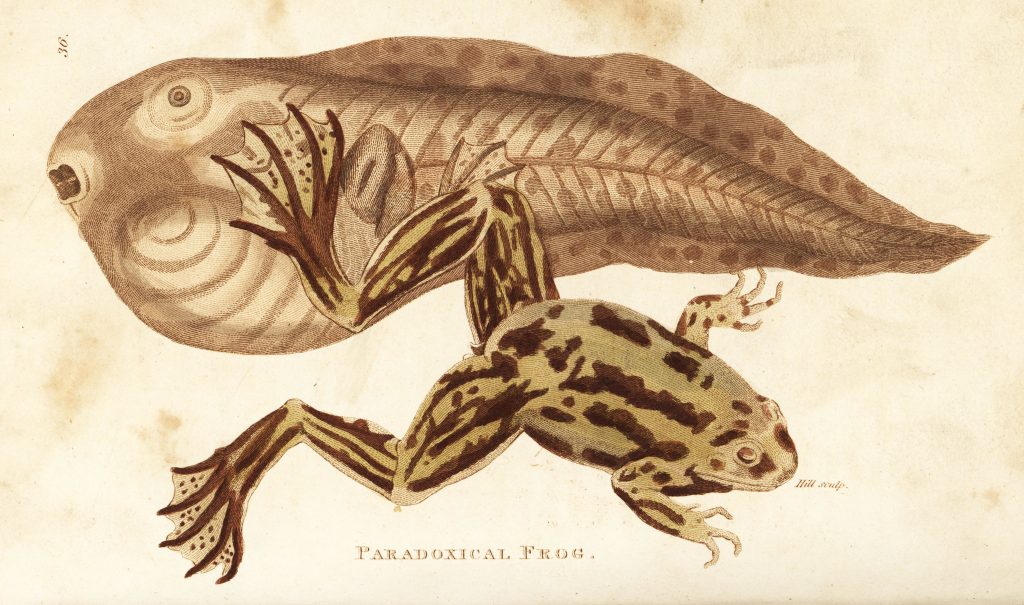
Amphibians are particularly sensitive to humidity levels, as their skin absorbs moisture directly from the environment. Maintaining the appropriate humidity is crucial in preventing dehydration and associated health issues. Species like the Red-Eyed Tree Frog require humid conditions to thrive, ideally between 50% to 70%. Using a hygrometer can help you monitor humidity, while regular misting of the enclosure during warmer months ensures that moisture levels stay consistent.
In addition, providing the option for water features, such as shallow dishes or small ponds, can help some aquatic or semi-aquatic species, including African Clawed Frogs and Newts, maintain the necessary moisture levels in their environment.
Substrate: Choosing the Right Base
The substrate in an amphibian terrarium plays a critical role in mimicking their natural ecosystem. Depending on the species, owners may choose from a range of substrates, each catering to specific needs:
- Organic Soil: Ideal for terrestrial species like the American Toad, as it allows for natural burrowing behaviors.
- Fine Gravel or Sand: Great for species such as Asian Flying Frogs, allowing for easy movement while also aiding in drainage.
- Sphagnum Moss: Best for maintaining humidity, suitable for many tropical species that thrive in moist conditions.
Keeping the substrate clean and free of waste is vital for preventing harmful bacteria buildup, which could jeopardize the health of your amphibian companions.
Lighting: A Balance of Light and Darkness
The importance of appropriate lighting cannot be ignored when creating an ideal environment for amphibians. Most species benefit from a natural light-dark cycle, which is essential for regulating their biological rhythms. A combination of UVB lights, which support vitamin D synthesis and help prevent metabolic bone disease, and standard white light for visibility can create optimal conditions. Remember to provide a dark period each day to simulate nighttime, which fosters a sense of security and mimics their wild habitats.
By understanding these fundamental habitat requirements, pet owners can enrich the lives of their amphibian companions. An ideal environment not only meets their physical needs but also promotes interactive behaviors, enabling a profound bond between the owner and their unique pets. As you embark on the journey of creating a thriving habitat, consider the vast array of species available to choose from, and prepare to be enchanted by the world of amphibians. This dedicated approach will undoubtedly enhance your appreciation of these remarkable creatures.
| Advantages | Key features of Ideal Environment |
|---|---|
| Diverse Species | Various amphibian species available for pet enthusiasts |
| Interactive Behaviors | Amphibians display unique behaviors, engaging their caretakers |
| Low Maintenance | Many amphibians require minimal care compared to traditional pets |
| Educational Value | Owning amphibians can enhance knowledge about ecosystems |
One of the remarkable aspects of amphibians as pets is their diversity. Pet owners can select from a range of fascinating species, each possessing distinct characteristics, colors, and habitats. This selection not only provides a personal connection to their pets but also broadens the understanding of ecological variety. In addition, many amphibians are known for their interactive behaviors, which can captivate both children and adults alike. Observing how these creatures interact with their surroundings offers a window into the natural world.Moreover, maintaining amphibian pets can be surprisingly low maintenance compared to more conventional pets. Many species do not require the daily grooming or extensive exercise regimes that dogs and cats do, making them suitable for those with a busy lifestyle. Lastly, amphibians present an educational value that extends beyond mere companionship. By caring for these pets, owners gain insights into biodiversity and the importance of habitat conservation, inspiring deeper conversations around environmental stewardship.
Creating a Safe and Stimulating Environment for Your Amphibian
Once you have established the basic requirements—humidity, substrate, and lighting—it’s time to focus on additional elements that can enrich your pet amphibian’s habitat. These factors contribute to not only the physical well-being but also the psychological health of your amphibian companions, enhancing their overall quality of life.
Caves and Hiding Spots: Essential for Security
Many amphibians exhibit shy behaviors and thrive in environments where they can retreat from view, mimicking their natural instincts. Caves and hiding spots can be created using store-bought decorations or natural materials like driftwood, rocks, and ceramic hides. Species like the California Tiger Salamander benefit from such features, as these hiding spots help them feel secure and reduce stress. Ensuring that these are positioned in a way that allows easy access without causing disruption to the habitat will keep your amphibian feeling safe while exploring their enclosure.
Plants: Adding Life to the Terrarium
Incorporating live or artificial plants adds not just aesthetic value, but also functional benefits to your amphibian environment. Many species, such as the White’s Tree Frog or the Green Poison Dart Frog, appreciate having foliage that provides cover and climbing opportunities. Live plants can help maintain humidity levels while also aiding in air purification, creating a more naturalistic atmosphere. Suitable plant options for amphibian terrariums include:
- Java Fern: Easy to care for and helps maintain humidity.
- Anubias: Extremely hardy, thrives in low light and can grow submerged.
- Peace Lily: Adds beauty and absorbs environmental toxins.
When selecting plants, ensure they are non-toxic and suitable for the species you are keeping, as some amphibians may nibble on leaves.
Temperature Gradients: Comfort Zones in One Habitat
Temperature control is another fundamental aspect to consider when creating an ideal environment for amphibians. Many species experience drastic temperature fluctuations in their natural habitats depending on their geographical locations. Implementing a temperature gradient within the enclosure allows your amphibians to self-regulate their body temperature by choosing warmer or cooler areas. For instance, while some tropical species need temperatures around 75-80°F, others may do better in cooler conditions. Using a combination of heat lamps and thermometers, you can maintain an appropriate range that reflects their native environment.
Moreover, ensuring that the enclosure maintains proper ventilation prevents the risk of mold and other harmful pathogens, keeping your amphibian companions safe and healthy.
Feeding and Nutrition: The Role of a Balanced Diet
The diet of your amphibian plays a crucial part in their overall health and well-being. Species such as the Fire-Bellied Toad or the Wood Frog require a varied diet consisting of live insects, which not only supply essential nutrients but also stimulate their hunting instincts. Adequately researching the specific dietary needs based on each species ensures that they receive balanced nutrition, essential for their development and longevity.
In summary, creating an enriching habitat that incorporates safety, stimulation, and proper care guidelines is paramount in fostering a healthy living environment for your amphibian pets. As you design this sanctuary, not only will you provide for their physical needs, but you’ll also witness the extraordinary behaviors and personalities of these captivating creatures. Delving deeper into the fascinating world of amphibians can reveal the remarkable nuances that make them a unique addition to any home.
Conclusion: The Art of Nurturing Amphibians as Companions
The allure of keeping amphibians as pets lies not only in their exotic appearances but also in their intricate behaviors and unique personalities. By taking the time to develop an ideal environment for these remarkable creatures, pet owners can enhance their quality of life while also deepening their own appreciation for nature’s wonders. This process, which includes providing safety, stimulation, and proper nutrition, is pivotal to the success of amphibian care.
Implementing features such as hiding spots and natural plant life creates a sanctuary where your amphibians can thrive in comfort. Remember that ambient conditions like temperature gradients play a significant role in their health, allowing them to regulate their body temperature effectively. Coupled with a balanced diet tailored to their species, these elements forge a deeper bond between the keeper and their amphibian, enriching both lives.
As you embark on this journey into the fascinating world of amphibians, consider each decision you make, from habitat design to daily care routines as an opportunity to immerse yourself in the profound connection we share with our planet’s diverse species. These enchanting pets offer a glimpse into a hidden world and can serve as a reminder of the importance of biodiversity and conservation efforts.
Whether you’re a novice or an experienced hobbyist, the commitment to maintaining an optimal habitat for your amphibian companions opens the door to a thrilling exploration of life’s versatility. With an informed approach and genuine passion, your amphibians will not only survive but flourish, evoking both admiration and a sense of responsibility toward preserving the myriad forms of life that inhabit our ecosystems.