
The Impact of Ornamental Fish Species on Aquariculture and Ecosystem Sustainability
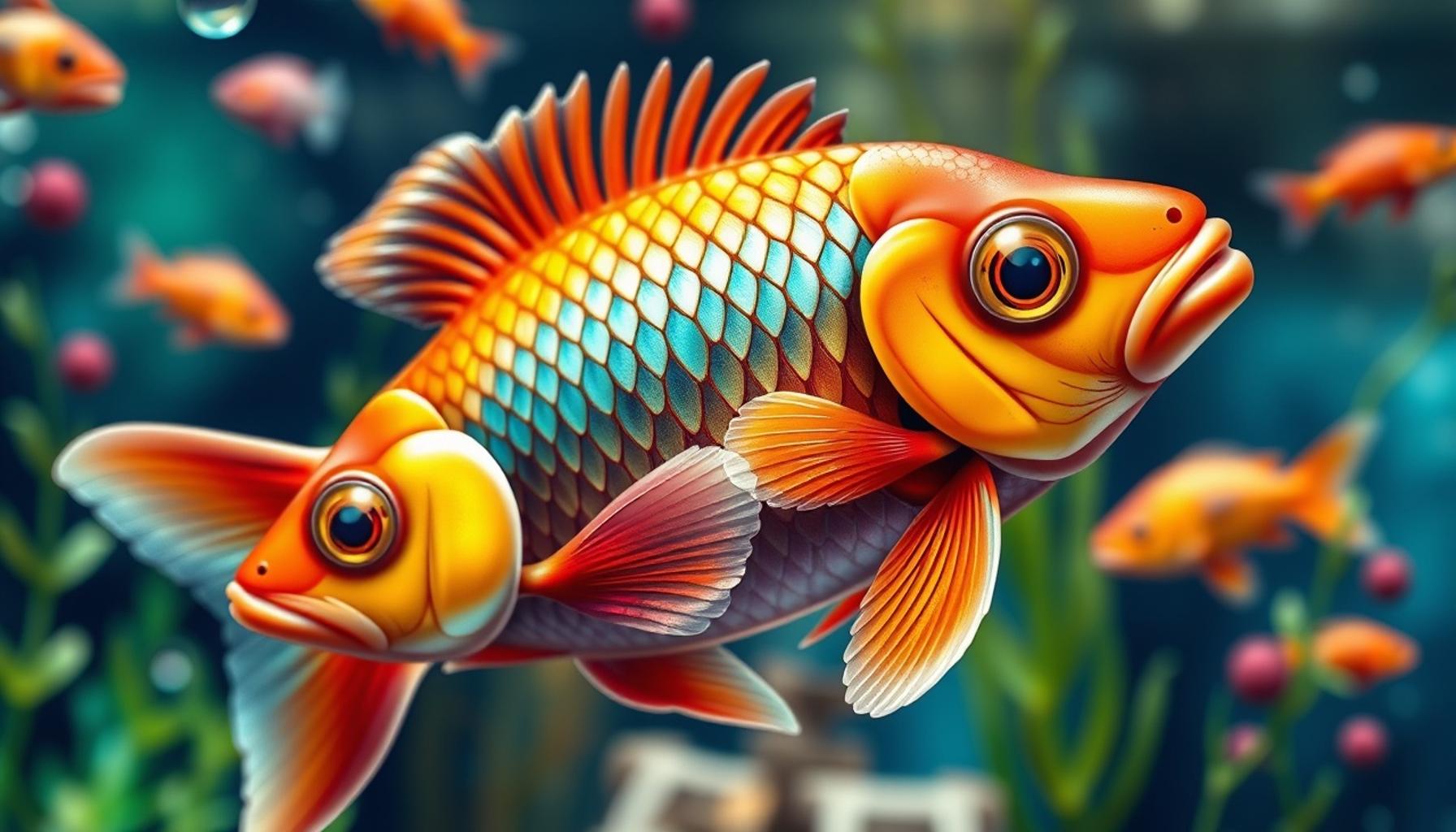
The Importance of Ornamental Fish in Aquaculture
The world of ornamental fish is not only a celebration of biodiversity but also a complex system entangled with ecological and economic factors. As hobbyists and industry professionals increasingly invest in vibrant and exotic fish, the ornamental fish industry has bloomed into a multi-billion-dollar sector in the United States. This growth, while encouraging for aquaculturists, raises pivotal questions about sustainability and environmental stewardship.
Understanding the Diversity of Species
Ornamental fish species encompass a wide variety, from the vibrant bettas and peaceful tetras to the elaborate marine reef fish like clownfish and tangs. Each species requires specific care, feeding, and habitat conditions, contributing to a rich tapestry of choices for aquarium enthusiasts. For instance, the betta fish, with its stunning coloration and flowing fins, is a popular choice for beginners. In contrast, more experienced aquarists may choose exotic marine species that require advanced water quality management and temperature control.
The Environmental Impact
However, the increasing allure of these magnificent creatures comes with significant implications. Overharvesting of ornamental fish from their natural habitats can lead to dwindling populations and localized extinctions. Furthermore, the introduction of non-native species into local ecosystems poses a serious threat. For example, the release of popular aquarium species into local waterways can disrupt the balance of ecosystems, resulting in the decline of native species. As such, understanding the broader ecological consequences is essential for anyone involved in aquaculture.
Promoting Responsible Practices
To mitigate these challenges, responsible aquaculture practices are vital. This includes ensuring that sourcing is ethical and sustainable. Educating aquarium enthusiasts about the importance of supporting captive-bred species helps protect wild populations. For instance, many pet stores now feature signage that encourages the purchase of farm-raised fish instead of wild-caught specimens. Additionally, governmental regulations aiming to restrict the importation of certain species can significantly minimize ecological impacts.
Factors Influencing Ecosystem Sustainability
- Preservation of Natural Habitats – Conservation efforts to protect wetlands and coastal regions are crucial for sustaining wild fish populations.
- Regulation of Species Sourcing – Policies should emphasize the importance of purchasing fish from responsible suppliers who adhere to sustainable practices.
- Education of Enthusiasts – Workshops and resources for aquarium owners can foster a culture of responsibility in aquatic care.
As we venture deeper into the connection between ornamental fish and their environments, the challenge remains to champion practices that allow these stunning aquatic beings to flourish without compromising ecological integrity. It is imperative for all stakeholders, including aquarists, retailers, and regulators, to collaborate toward a future where ornamental fish can thrive sustainably. The beauty and diversity of aquatic life should inspire us not only to appreciate them but also to protect the delicate ecosystems they inhabit.
LEARN MORE: Click here to discover how to prepare your home for a furry friend
The Role of Ornamental Fish in Aquaculture Practices
As the ornamental fish industry burgeons, the intricate relationship between aquaculture practices and ecosystem sustainability becomes increasingly apparent. The diverse range of species available today plays a critical role in shaping aquariculture, with implications that ripple throughout our ecosystems. The keeping of ornamental fish has evolved from a niche hobby to a widespread phenomenon, with pet owners in the United States alone spending upwards of $400 million annually on aquarium fish and supplies. This flourishing market not only highlights the popularity of these aquatic wonders but also underscores the need for a deeper understanding of their environmental impacts.
Influences on Aquaculture Methods
The cultivation of ornamental fish has spurred significant advancements in aquaculture technologies and methodologies. Aquarists and breeders have developed numerous techniques to maximize species health and growth, addressing issues that arise from overfishing in the wild. Breeding programs focused on popular species like guppies and angelfish have accelerated the transition from wild-caught to captive-bred fish, which often exhibit greater resilience to diseases and environmental changes. This shift not only alleviates pressure on wild fish populations but also promotes genetic diversity within captive breeding programs.
Challenges in Ecosystem Sustainability
Yet, the rise in aquaculture success has not come without its challenges. Environmental degradation associated with fish farming practices poses a significant risk to local ecosystems. Waste accumulation, nutrient loading, and the use of chemicals to control pests and diseases can result in adverse effects on the surrounding habitat. For instance, the run-off from aquaculture facilities may lead to eutrophication, causing harmful algal blooms that suffocate aquatic life. Therefore, it is vital for aquaculturists to strike a balance between production efficiency and environmental responsibility.
Key Factors Impacting Sustainability
- Water Quality Management – Effective monitoring and management of water parameters such as pH, ammonia, and nitrates are essential to maintaining a healthy aquatic environment.
- Fish Stocking Densities – Overcrowding can lead to increased stress and disease, necessitating carefully calculated stocking rates.
- Feed Sourcing – The sourcing of sustainable feed, ideally rich in nutrients without over-reliance on wild-caught fish, is crucial for both fish health and ecosystem balance.
The ornamental fish industry’s growth trajectory presents an opportunity to reflect on the interactions between aquaculture and our natural ecosystem. As aquarists, researchers, and environmentalists work collaboratively, there is a potential to foster a sustainable future where ornamental fish can thrive harmoniously alongside their wild counterparts. The responsibility to innovate and implement sustainable practices lies with all involved, ushering a new era of aquaculture that honors the delicate balance of life in aquatic ecosystems.
The Impact of Ornamental Fish Species on Aquariculture and Ecosystem Sustainability
The role of ornamental fish species extends beyond aesthetic appeal in aquaculture; they are pivotal in enhancing sustainability within aquatic ecosystems. The introduction of well-maintained aquariums filled with diverse ornamental fish can encourage the development of healthy aquatic environments. These ecosystems can mimic natural habitats, promoting biodiversity and supporting various other aquatic life forms.
One of the crucial aspects of ornamental fish in aquaculture is their contribution to economic viability. The demand for ornamental fish has led to the establishment of sustainable breeding practices that lessen overfishing pressure on wild populations. This practice not only helps in conserving vulnerable species but also recognizes the importance of maintaining ecological balance.
Moreover, ornamental fish thrive in well-maintained aquaria, leading to an increase in interest around best practices for aquarium management. Educational programs focusing on the care and conservation of these species can foster a generation of aquarists who prioritize ecosystem sustainability. Fish enthusiasts often invest in specialized filtration systems and eco-friendly substrates that promote water quality and habitat longevity, showcasing an essential relationship between ornamental fish care and environmental stewardship.
| Category 1 | Category 2 |
|---|---|
| Biodiversity Enhancement | Encourages varied life forms that can coexist without disrupting ecosystems. |
| Economic Growth | Supports local economies and reduces dependency on wild species. |
As aquaculture continues to expand, the importance of ornamental fish in fostering ecosystem education cannot be overlooked. This sector has the potential to inform consumers and aquarists about crucial environmental issues, allowing for a more informed approach to the relationship between fish species and their habitats. Engaging communities to understand this connection can lead to greater conservation efforts, emphasizing the need for responsible practices in ornamental fishkeeping.
DON’T MISS: Click here for essential tips on preparing your home for your new pet!</
The Socioeconomic Dimensions of Ornamental Fish Trade
The ornamental fish trade does not only affect the aquatic environment but also plays a significant role in the socioeconomic landscape of many communities. With the global market for ornamental fish estimated to be over $1 billion, the implications for developing countries, where many fish are harvested, are profound. Countries like Indonesia, Thailand, and the Philippines have established economies that depend heavily on the export of these species. The intricate networks of fish harvesters, breeders, and retailers contribute to local job creation and provide income sources for thousands of families. However, this economic opportunity also raises critical questions about the sustainability of these practices.
Local Communities and Employment Opportunities
In many regions, the ornamental fish trade serves as a lifeline for local communities. Artisanal fishermen often rely on the collection of wild species to support their livelihoods. The income generated through ornamental fish sales can significantly enhance the quality of life for these families. For example, in rural areas of Southeast Asia, fish collectors have reported that the sale of species like bettas and discus can surpass incomes derived from traditional agriculture. This creates a delicate balance, as conserving local fish populations becomes paramount for maintaining these economic benefits.
Concerns of Overharvesting and Regulation
Despite these advantages, the rapid growth of the ornamental fish industry raises alarms about overharvesting and habitat destruction. The unchecked demand for certain exotic species can lead to serious declines in wild populations, making it imperative to establish sustainable harvesting practices. In response, some organizations have advocated for better regulation of the trade, including the implementation of quotas and guidelines for sustainable capture. For instance, initiatives led by conservation groups aim to ensure that fish are harvested at sustainable rates and that breeding programs are enhanced to reduce reliance on wild stock.
The Role of Technology in Sustainable Practices
Technological innovations have also catalyzed the development of sustainable practices within the ornamental fish industry. Advanced Aquaponic systems—which integrate fish farming with plant cultivation—allow for cleaner production cycles that minimize waste and maximize resource efficiency. For instance, engaging technologies like recirculating aquaculture systems (RAS) can dramatically reduce water use and help maintain optimal water quality. These methods often embrace a circular economy model and are gaining traction in the United States, where urban aquarists are increasingly looking for eco-friendly options.
Consumer Education and Demand for Sustainability
Consumer awareness regarding sustainability is also reshaping the ornamental fish market. As more buyers seek ethically sourced and sustainably bred species, retailers and breeders are motivated to align their practices with these values. Certifications such as the Marine Aquarium Council’s (MAC) program work to inform buyers about the origins of their fish, promoting responsible purchasing behaviors. This shift in consumer preferences underscores a growing movement that supports sustainable aquaculture while empowering local communities involved in the ornamental fish trade.
As the ornamental fish industry continues to develop, it remains imperative for stakeholders—from breeders and retailers to conservationists and consumers—to work collaboratively. By acknowledging the interconnectedness of economic and environmental sustainability, there is an opportunity to promote practices that benefit both communities and ecosystems alike. The journey towards a sustainable future in aquariculture is complex, yet the rewards promise a more balanced coexistence for ornamental fish and their natural habitats.
DISCOVER MORE: Click here to learn about how nutrition affects your pet’s
Conclusion
The interplay between ornamental fish species, aquariculture, and ecosystem sustainability reveals a complex narrative that demands attention from all stakeholders involved. As the ornamental fish trade continues to flourish, bringing significant economic benefits to communities, it also poses considerable environmental risks. The need to balance economic growth with ecological preservation cannot be overstated. Overharvesting and habitat degradation threaten both wild fish populations and the livelihoods of those who depend on them.
Technological advancements in aquaculture, such as Aquaponics and recirculating systems, showcase promising pathways towards sustainable practices. These innovations not only mitigate resource waste but also encourage a more circular economy in the ornamental fish sector. Furthermore, consumer education and the growing demand for ethically sourced fish are transforming market dynamics, pushing breeders and retailers to adopt sustainable practices.
Looking forward, it is critical for all parties—from local communities and policymakers to consumers and environmental advocates—to unite in their efforts. Enhanced regulations, coupled with responsible consumption, can create a synergy that fosters a sustainable ornamental fish industry. As we continue to develop our aquaristic passions, we must remain ever vigilant about the health of the ecosystems that sustain these beautiful species. By investing in sustainable aquaculture practices and championing conservation efforts, we have the potential to cultivate not only thriving ornamental fish markets but also resilient ecosystems for future generations.