The Impact of Social Media on Nutrition Choices and Eating Habits
The Influential Role of Social Media in Nutrition Choices
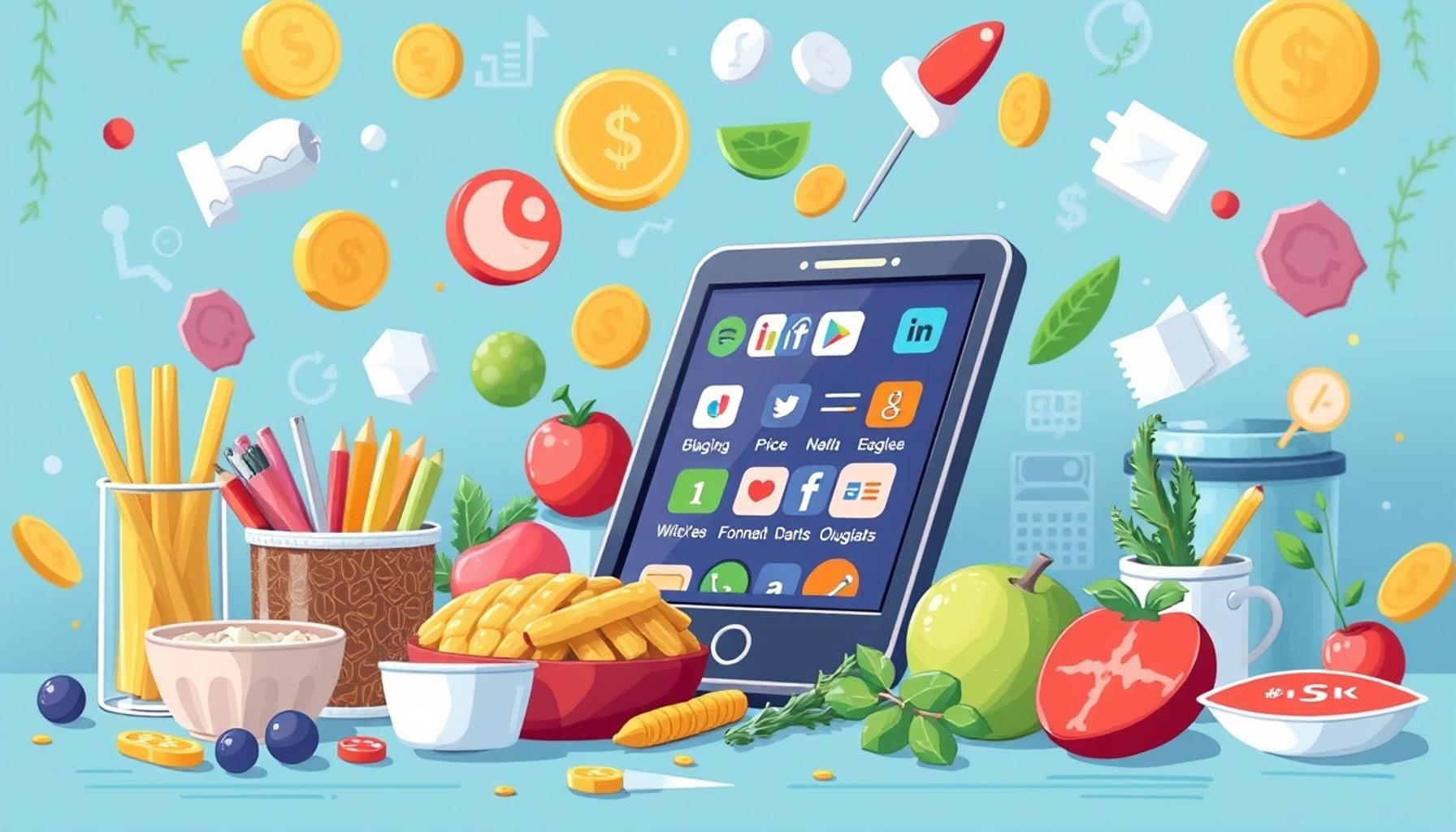
In an age where scrolling through our feeds has become a daily ritual, the impact of social media on our nutrition choices has emerged as a compelling subject of discussion. These platforms enable not just communication among friends and family, but also influence dietary behaviors of vast audiences, reflecting broader societal shifts towards food and health consciousness.
Visual Appeal as a Catalyst for Change
Social media platforms like Instagram, TikTok, and Pinterest thrive on visual content, where eye-catching images of food dominate the landscape. This visual appeal can play a critical role in inspiring users to experiment with new recipes and adopt healthier eating habits. For instance, visually appealing dishes such as smoothie bowls or colorful salads are extensively shared. One viral example is the “rainbow bowl” trend, showcasing a variety of fruits and vegetables arranged artfully, prompting users to recreate these healthy meals in their own kitchens. This phenomenon not only encourages healthy eating but also fosters a sense of community, as users often share their recreations online.
The Power of Influencer Culture
The rise of influencer culture has introduced a new dynamic to nutrition choices. Prominent figures, from fitness enthusiasts to celebrity chefs, promote various dietary trends and products to their followers. This relationship can significantly shape followers’ preferences. A notable example is the increasing popularity of plant-based diets, heavily promoted by vegan influencers who highlight the benefits of meat alternatives and sustainable eating practices. The endorsement of specific products, like protein powders or meal prep services, often carries significant weight; research has shown that consumers are more likely to trust recommendations from individuals they follow on social media than traditional advertisements.
Accessibility and the Dual Edge of Information
Moreover, the accessibility of information on social media has made nutritional advice and food trends widely available. With hashtags like #NutritionTips or #HealthyEating, users can easily find a plethora of tips, recipes, and dietary advice. However, this abundance can also lead to misinformation, where unverified claims about diets or food products proliferate. For example, trends like the “keto diet” or “intermittent fasting” are often promoted without sufficient context about their potential risks or unsuitability for some individuals, emphasizing the need for critical evaluation of the advice encountered online.
The Social Dynamics of Eating Behaviors
The implications of these social media influences extend beyond individual choices, fostering collective movements towards healthy or unhealthy habits. Studies indicate a connection between online interactions and increased awareness of nutrition topics. Yet, this virtual engagement can also exacerbate pressures to conform to idealized body images and restrictive diets. For instance, the prevalence of curated feeds showcasing seemingly flawless bodies can lead to unhealthy comparisons and mental health issues surrounding body image and self-esteem. This duality is crucial to understand, as it underscores how our online lives can significantly influence our offline behaviors and views about nutrition.
As we navigate this complex digital landscape, it is essential to approach social media with a discerning eye, recognizing its potential to inspire positive dietary changes while remaining alert to the pitfalls of unrealistic standards and misinformation. Engaging critically with the content we consume not only enhances our understanding of nutrition but also empowers us to make informed choices that align with our personal health goals.
The Evolving Food Landscape Fueled by Social Media
Social media has fundamentally altered how individuals approach their nutrition choices and culinary preferences. One key aspect of this transformation is the emergence of various online communities that promote specific eating habits or lifestyle choices. These communities serve as platforms for sharing not only recipes but also personal stories of health journeys, which can resonate with others seeking inspiration or motivation in their own dietary practices.
The Role of Community in Shaping Dietary Trends
With platforms such as Facebook groups, Reddit forums, and various Instagram pages dedicated to health and nutrition, users can engage with like-minded individuals who share mutual interests. These communities promote a shared sense of accountability and support. For example, challenges such as “30 days of clean eating” or “meatless Mondays” often go viral, encouraging people to adopt healthier eating habits in a structured manner. The social media community aspect can lead to:
- Increased adherence to food trends, as individuals are more likely to stick with dietary practices when they can share their progress and receive positive reinforcement.
- Enhanced experimentation with new ingredients or cooking techniques, as community members often share personal anecdotes about their favorite health hacks.
- Greater diversity in diets, as exposure to global cuisines and cultural practices encourages people to step outside their conventional food choices.
This dynamic not only enriches personal diets but has also contributed to a broader shift in the food industry. Restaurants and food brands are responding to these online trends, with many incorporating elements that cater to popular social media diets—such as vegan, gluten-free, or low-carb offerings—recognizing that consumer behavior is heavily influenced by online discussions.
The Influence of Educational Content
Another significant factor in the relationship between social media and nutrition choices is the abundance of educational content available at users’ fingertips. Many registered dietitians, nutritionists, and health coaches leverage platforms like YouTube and TikTok to disseminate valuable information about healthy eating practices. This educational content covers various aspects such as:
- The science of balanced nutrition
- Debunking common food myths
- Practical meal prep strategies
By making complex nutritional concepts more accessible, these influencers help demystify food choices, empowering followers to make informed decisions about what to eat. Moreover, videos demonstrating quick, nutritious recipes not only stimulate interest in healthier options but can also instill a sense of culinary confidence among viewers, breaking down barriers to healthy eating.
Challenges and Considerations
Despite the numerous advantages of social media in promoting healthier eating habits, it is important to acknowledge the challenges that arise from this digital landscape. As users navigate through a vast pool of information, they must remain vigilant against misinformation related to nutrition. Reports have highlighted that unfounded claims about superfoods or fad diets can spread rapidly, often leading individuals to make choices that may not align with their health needs.
This necessity for critical engagement with content is essential. Social media can be a double-edged sword, providing both inspiration and misinformation. Users must adopt a discerning approach, filtering through the myriad of posts to find reliable and evidence-based advice that supports their nutritional goals.
As we delve deeper into understanding the implications of social media on our eating habits, it becomes increasingly clear that its role is multifaceted—shaping our choices, fostering community, and influencing trends in ways that can have lasting effects on our health and well-being.
The Impact of Social Media on Nutrition Choices and Eating Habits
Social media platforms have revolutionized the way individuals access information about food and nutrition. One of the most significant influences is the way insta-worthy food photography encourages healthy eating habits. Users are more likely to experiment with fresh foods and creative recipes when they see visually appealing images shared by others. This phenomena is often referred to as the Instagram Effect, where the aesthetic quality of food can prompt users to make healthier food choices just to share their meals online.
Additionally, social media serves as a platform for health influencers and dietitians to promote nutritional education. By sharing tips, engaging in discussions, and debunking myths, they empower followers to make informed dietary decisions. This shift towards digital mentorship in the field of nutrition has made knowledge more accessible than ever, enabling individuals to tailor their eating habits based on evidence-based information.
However, it’s essential to be cautious of the potential downsides of nutrition advice shared on these platforms. Misinformation and unhealthy trends can spread rapidly, leading to diets that could be detrimental to health. The rise of trends such as the “clean eating” movement has often been criticized for fostering an overly restrictive mindset about food, which can negatively impact mental well-being.
In the context of dietary changes, the social aspect of sharing meals has also led to a greater emphasis on community engagement. Users are more likely to communicate about their eating experiences, share recipes, and participate in challenges or campaigns that promote healthier lifestyles. This interaction reinforces positive behaviors and creates a sense of accountability, further enhancing overall nutritional choices.
| Category | Advantages |
|---|---|
| Visual Engagement | Encourages healthier meal choices through appealing food presentation. |
| Nutritional Education | Access to reputable health influencers who provide evidence-based dietary information. |
The potential for social media to shape eating habits is vast, requiring users to navigate their interactions critically. While the platform offers countless advantages, recognizing and mitigating the risks associated with misinformation is crucial for maintaining a balanced and healthy approach to nutrition.
The Dual-Edged Sword of Influence: Individual Choices and Industry Response
The landscape of nutrition and eating habits has dramatically shifted due to the powerful influence of social media, but this impact is not solely confined to individuals. It also affects the food industry, leading to significant changes in product offerings and marketing strategies. As consumers increasingly turn to social platforms for dietary guidance, companies have begun to adapt their approaches to meet rising health-conscious demands. This evolving relationship raises intriguing questions about how social media influences not just personal choices, but broader industry trends.
Marketing Through Social Engagement
Modern food marketing leverages social media to promote products that align with emerging dietary trends. Popularity on platforms like Instagram can significantly elevate a product’s visibility, making it essential for brands to craft appealing content that resonates with health-focused consumers. Furthermore, influencers—ranging from dietitians to fitness enthusiasts—often become the voice of these brands, showcasing products in authentic settings. For example:
- Instagram influencers regularly share visually appealing recipes using specific ingredients or products, translating into instant interest and potential sales for brands.
- Food companies engage in sponsorships or collaborations with known health figures, leveraging their reach to appeal directly to targeted audiences.
- The concept of “foodstagramming,” where users post creative images of their meals, prompts brands to create more product lines that are visually appealing to encourage social sharing.
This marketing approach fuels a cycle where products tailored to social media trends gain traction quickly, leading to a saturation of options in marketplaces. Items like “cauliflower rice,” “spirulina powder,” and “keto snacks” are all examples of how social media dialogues have shaped the marketplace. As shoppers scroll through platforms, these health-oriented products are often viewed as trendy necessities rather than just food items.
The Role of Visual Content in Shaping Food Preferences
The aesthetic aspect of food has never been more pronounced than within social media’s vibrant ecosystems. Platforms like Pinterest and TikTok not only showcase food preparation but also emphasize visual appeal, with hashtags like #FoodPorn and #HealthyEats garnering millions of views. Research indicates that:
- Visual aesthetics can significantly impact a person’s desire to try new foods. Engaging images or videos can entice even the most doubtful eater to explore unfamiliar cuisines or healthier alternatives.
- Recipe sharing often encourages individuals to engage in meal preparation. Studies show that social media can increase cooking confidence, prompting individuals to try their hand at creating healthier meals at home instead of relying on takeout.
This phenomenon leads to a notable shift in consumer behavior, as individuals not only aim for healthier choices but also prioritize foods that will translate well into captivating images—this creates a unique copycat culture where social media users emulate eating habits displayed by their favorite influencers.
Impact on Mental Health and Emotional Eating
As the pursuit of the ‘perfect’ diet is influenced by social media platforms, it is worth noting the psychological interplay that arises from constant comparison. Users might find themselves in a struggle against perceived ideal body images or dietary standards showcased online, leading to feelings of inadequacy or low self-esteem. This social comparison can have serious implications for emotional eating behaviors, where individuals turn to food for comfort in response to such feelings.
Conversely, the supportive communities formed around healthy eating can also offer positive reinforcement. Users may share success stories that help build confidence, leading to improved mental health and nutritional literacy. Striking a balance between these conflicting influences remains crucial for individuals looking to navigate their eating habits consciously.
The ongoing dialogue within these vibrant online environments highlights how social media acts as both a catalyst for innovation in the food industry and as a challenging arena for personal nutrition choices. As individuals continue to engage with this digital space, both the potential for positive change and the risks associated with misinformation and comparison must be critically examined.
Conclusion: Navigating the Digital Plate
In examining the profound impact of social media on nutrition choices and eating habits, it becomes clear that this dynamic digital landscape serves as both a facilitator and a constraining force. On one hand, social media platforms provide a wealth of information, inspiration, and community support that can empower individuals to make healthier food choices. From vibrant food photography to engaging recipe videos, these platforms have redefined how people perceive and prepare food, often leading to increased cooking confidence and a greater exploration of diverse cuisines.
However, the darker side of this rapidly changing environment must not be overlooked. The proliferation of unrealistic body standards and trend-driven diets can foster detrimental comparisons and emotional eating patterns. Individuals may find themselves overwhelmed by an inundative stream of information, making it difficult to discern credible guidance from viral fads. Moreover, the food industry, eager to capitalize on these trends, often prioritizes marketing over genuine health benefits, complicating consumer choices with an array of sometimes misleading product options.
To harness the positive potential of social media while mitigating its inherent risks, consumers must approach digital content with a discerning eye. Engaging critically with the information presented, seeking trusted sources, and cultivating a balanced perspective are essential steps for anyone navigating their nutrition journey online. As social media continues to shape the landscape of eating habits, individuals and industry alike should strive for authenticity, transparency, and inclusivity in discussions surrounding nutrition.
Ultimately, the evolution of food culture in the digital age is a shared endeavor. With mindful consumption of both information and food, individuals can not only improve their personal health but also contribute to a broader dialogue that emphasizes the importance of balanced nutrition in an increasingly interconnected world.