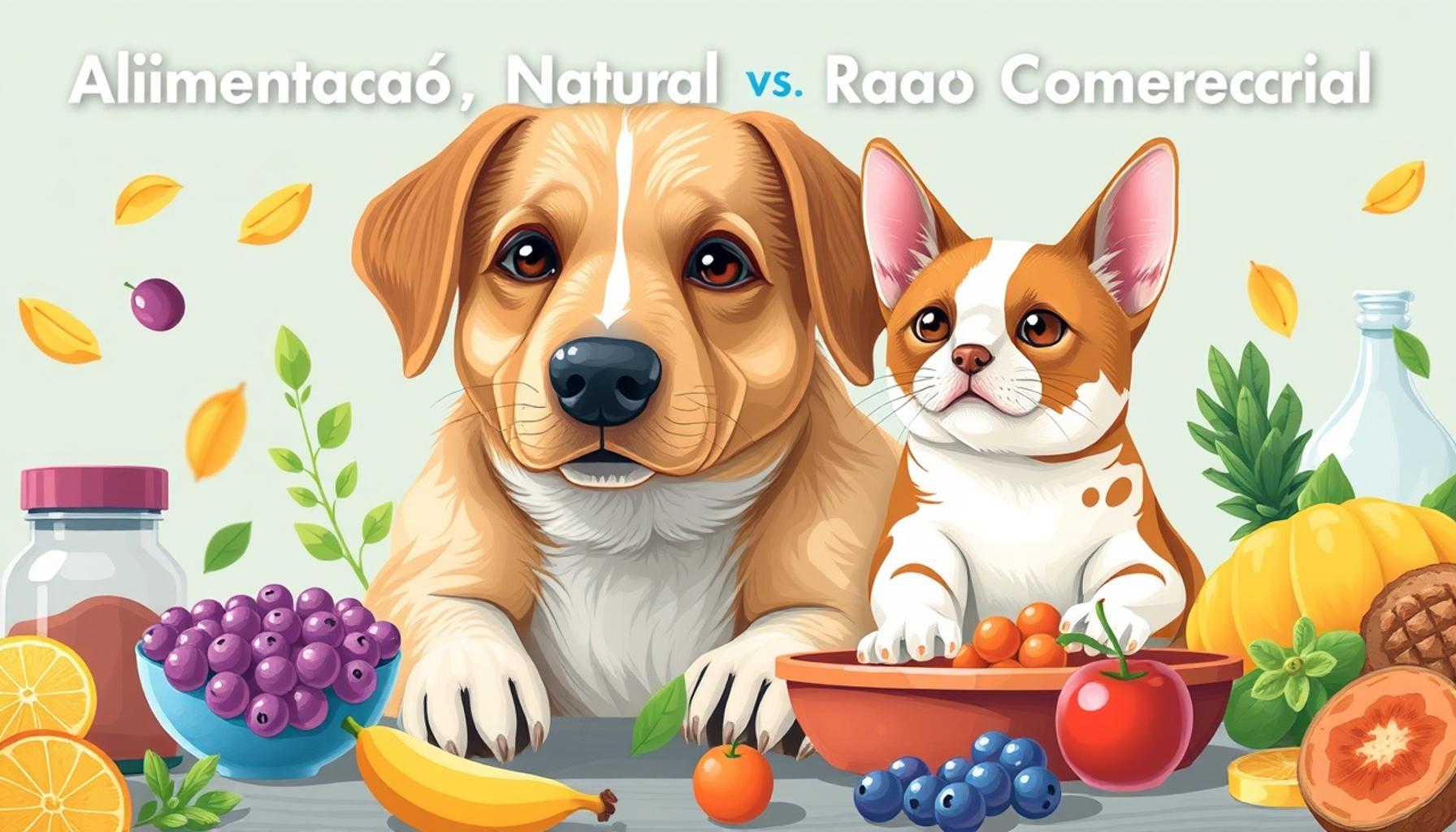
The Importance of a Balanced Diet for Dog Health

The Importance of a Balanced Diet for Canine Health
Providing proper nutrition for our canine companions is a fundamental aspect of responsible pet ownership. A balanced diet encompasses a variety of nutrients and is crucial for the maintenance of your dog’s overall health and wellness. While it may be tempting to simply fill your dog’s bowl with commercially available food, understanding the specific dietary needs based on factors such as breed, age, and health conditions is essential for fostering not only a playful and active pet but also one that is less prone to diseases.
Key Components of a Dog’s Nutritional Needs
To create a well-rounded diet, it’s necessary to incorporate four primary components that contribute to a dog’s nutrition:
- Proteins: Proteins are the building blocks of the body. They play a key role in the development and repair of muscle tissues. High-quality protein sources such as chicken, beef, and fish are vital for maintaining energy and physical health.
- Carbohydrates: Though dogs are primarily carnivorous, carbohydrates offer a quick source of energy and may enhance overall digestive health. Ingredients like sweet potatoes, brown rice, and oatmeal can be excellent carbohydrate sources when included in moderation.
- Fats: Essential fatty acids are crucial for maintaining a healthy coat and skin. They also aid in the absorption of fat-soluble vitamins. Omega-3 and Omega-6 fatty acids, found in fish oil and flaxseed, can promote a shiny coat and overall skin health.
- Vitamins and Minerals: Micronutrients, including vitamins A, D, E, and essential minerals like calcium and phosphorus, play pivotal roles in a dog’s metabolic processes and growth. They help bolster the immune system and support bone health.
Tailoring Nutrition to Individual Needs
No two dogs are alike, and neither are their nutritional requirements. A golden retriever may have different dietary needs compared to a chihuahua. Age also plays a significant role; puppies require more protein and calories to support their rapid growth, whereas senior dogs may need a diet lower in calories but rich in fiber to aid digestion.
Moreover, specific health conditions or allergens may necessitate a carefully curated diet, potentially involving prescription dog foods. For instance, dogs suffering from arthritis might benefit from anti-inflammatory ingredients like glucosamine or fatty acids, while those prone to allergies may need a grain-free formulation.
The Benefits of Optimal Nutrition
When you invest time and resources into providing a balanced diet, you are investing in your dog’s longevity and quality of life. An appropriate diet can yield remarkable benefits, including:
- Improved Energy Levels: A well-fed dog is often a more vibrant and active dog. Proper nutrition directly contributes to increased stamina and an overall zest for life.
- Stronger Immune Function: Dogs with well-rounded diets are less susceptible to illness and infections. The vital nutrients support the immune system’s efficacy and resilience.
- Healthier Skin and Coat: A shiny coat and healthy skin often indicate a nutrient-dense diet. Essential fatty acids and proteins play a key role in maintaining skin health and reducing the risk of allergies.
Ultimately, making informed decisions about your dog’s diet is far more than just a routine chore; it is a commitment to nurturing a happy, healthy companion. Engaging in research and possibly consulting your veterinarian can help you explore various food options that cater to individual needs. In conclusion, the right food choices profoundly impact your furry friend’s quality of life, leading to a stronger bond between you and your pet, one meal at a time.
Understanding the Role of Nutrients in Dog Health
A balanced diet for dogs is akin to the foundation of a house; without it, the structure can collapse under the weight of neglect. Every nutrient plays a distinct role, and together they contribute to a comprehensive approach to canine wellness. As pet owners, it’s essential to recognize what constitutes quality nutrition and how it can dramatically improve your dog’s quality of life.
The Vital Role of Proteins
Proteins are indispensable for a dog’s health. They assist in the growth, repair, and maintenance of bodily tissues, making them a critical component of your pet’s diet. Dogs primarily require animal-based proteins that provide essential amino acids, which are the building blocks for muscle, skin, and organ health. It’s important to include high-quality protein sources such as:
- Chicken: Lean and often well-tolerated, chicken is an excellent protein source that promotes muscle growth.
- Beef: Loaded with essential nutrients, beef can help maintain vitality and energy.
- Fish: Rich in omega fatty acids, fish not only offers protein but also supports skin and coat health.
Buying dog food with meat as the first ingredient can greatly enhance the protein content of their diet, providing you with peace of mind that your dog is receiving what it truly needs.
The Function of Carbohydrates in Energy Production
While dogs are classified as carnivores, their bodies can utilize carbohydrates for energy, making them an important part of a balanced diet. Carbohydrates, found in foods like:
- Sweet Potatoes: Rich in vitamins, sweet potatoes offer a digestible source of carbohydrates.
- Brown Rice: Gentle on the stomach and a good source of energy, brown rice is often included in dog food formulations.
- Oatmeal: Another healthy grain option, oatmeal can aid in digestion and keep your dog’s blood sugar stable.
Introducing carbohydrates in moderation can invigorate your dog, enhancing their activity levels and overall well-being while ensuring they maintain a balanced energy supply throughout the day.
The Power of Fats
Fats are essential for overall health, acting as carriers for fat-soluble vitamins and providing concentrated energy. A balanced diet should include sources of healthy fats, such as:
- Fish Oil: Renowned for its omega-3 fatty acids, fish oil supports a healthy coat and reduces inflammation.
- Flaxseed: Another excellent source of omega fatty acids, flaxseed can contribute to better skin and coat health.
- Chicken Fat: Often found in pet foods, chicken fat is an efficient energy source that helps with palatability.
Including these healthy fats can improve your dog’s coat condition and considerably enhance their immune function, making them less susceptible to common ailments.
As with any dietary considerations, it’s essential to be aware of individual needs and lifestyle factors when determining the perfect balance. Understanding these basic components of a dog’s nutritional needs can empower you to make informed decisions, benefiting your furry friend and contributing to a healthier, happier life.
| Advantage | Description |
|---|---|
| Improved Digestive Health | A balanced diet rich in fiber aids digestion, preventing issues such as constipation and bloating. |
| Enhanced Coat Quality | Nutritious foods that include essential fatty acids contribute to a shiny and healthy coat, reducing shedding and skin irritations. |
| Weight Management | Proper portioning and a balanced caloric intake prevent obesity, which is linked to numerous health problems. |
| Boosted Immune System | A diet enriched with vitamins and minerals fortifies a dog’s immune response, helping to fend off illnesses. |
A balanced diet plays a vital role in dog health, contributing to various aspects like digestion and skin condition. Pet owners can take an active role in ensuring that their furry companions receive a mix of proteins, carbohydrates, fats, vitamins, and minerals tailored to their specific needs. By gaining insight into each component of their dog’s diet, owners can enhance their pet’s quality of life significantly. For instance, including a variety of vegetables can provide antioxidants that promote overall health, while high-quality proteins support muscle development and energy levels. Additionally, understanding the importance of hydration as part of a balanced diet encourages better appetite and digestion. Dogs that are well-nourished are likely to experience increased energy and vitality, allowing for more playful and engaging interactions between owner and pet. Overall, exploring the nuances of canine nutrition opens up a world of benefits that extend beyond mere feeding.
Importance of Vitamins and Minerals in Canine Nutrition
Upon delving deeper into a dog’s dietary requirements, one cannot overlook the crucial role of vitamins and minerals. These micronutrients, though needed in smaller amounts compared to macronutrients, are vital for various metabolic processes and overall health. Each vitamin and mineral offers unique benefits, from enhancing immunity to supporting bone health, thus reinforcing the need for a balanced diet.
The Essential Vitamins
Vitamins are organic compounds that serve as co-factors in countless biochemical reactions within your dog’s body. Key vitamins important for canine health include:
- Vitamin A: Crucial for vision, reproduction, and immune function, vitamin A can be found in liver and carrots.
- B Vitamins: This group includes B1 (thiamine), B2 (riboflavin), and B12 (cobalamin), all essential for energy metabolism and neurological health. Foods like fish, chicken, and eggs can provide these necessary nutrients.
- Vitamin E: As a powerful antioxidant, vitamin E not only promotes healthy skin and coat but also protects against oxidative stress. Sources include leafy greens and certain vegetable oils.
- Vitamin D: Vital for calcium absorption, vitamin D helps maintain strong bones and teeth. Fatty fish and fortified dog foods are sources of this important vitamin.
Incorporating a sufficient amount of these vitamins ensures your dog’s metabolic functions are running smoothly, which in turn translates to better overall health.
The Role of Minerals
Minerals, in addition to vitamins, contribute significantly to your dog’s health. Key minerals include:
- Calcium: Essential for strong bones and teeth, calcium is especially important in growing puppies or lactating mothers. Dairy products, green leafy vegetables, and fortified dog foods are excellent sources.
- Phosphorus: Working in concert with calcium, phosphorus is crucial for bone formation and energy metabolism. Meat and fish are rich in this mineral.
- Iron: This mineral is necessary for oxygen transport in the blood and prevents anemia. Organ meats, spinach, and lentils are good sources of iron.
- Zinc: Important for immune function and skin health, zinc can be found in meat and whole grains.
Dietary deficiencies in vitamins and minerals can lead to severe health issues such as weakness, bone deformities, and compromised immune response. Therefore, providing a variety of nutrient-rich foods is essential to prevent these deficiencies.
Hydration: The Essential Nutrient
While often overlooked, water is arguably the most critical nutrient for dogs. Hydration affects every body function, from digestion to temperature regulation. Dogs should have constant access to fresh and clean water, particularly if they consume dry kibble, which can be dehydrating.
It’s worth noting that a dog’s water intake can vary based on size, activity level, and diet. On average, dogs should drink about one ounce of water per pound of body weight daily. Monitoring their water consumption helps maintain optimal hydration levels and supports overall health.
As we explore the essentials of dog nutrition further, understanding the comprehensive role of these nutrients in a balanced diet enables pet owners to create a tailored meal plan that addresses their dog’s unique health requirements. This awareness not only leads to better health outcomes but also enhances the overall happiness and longevity of our beloved companions.
Conclusion: The Key to Canine Wellness
In summary, maintaining a balanced diet is paramount for ensuring the health and longevity of our canine companions. Just as humans thrive on a variety of nutrients, dogs require a comprehensive and diverse array of macronutrients and micronutrients to support their unique biological needs. From high-quality proteins that promote muscle development to essential vitamins that enhance immunity and overall vitality, each nutrient plays a critical role in your dog’s health.
The significance of vitamins and minerals cannot be overstated; deficiencies can lead to severe health consequences, underscoring the need for thoughtful and informed dietary choices. Additionally, the importance of hydration is a vital yet often overlooked aspect that supports every physiological function, from digestion to temperature regulation. By ensuring your dog has access to fresh water and a well-balanced diet, you not only address immediate nutritional needs but also contribute to a foundation of long-term wellness.
As pet owners, arming ourselves with knowledge about canine nutrition paves the way for a happier, healthier life for our furry friends. Whether you decide to prepare homemade meals or choose commercial dog food, being mindful of the nutrient composition and tailoring it to your dog’s specific requirements is crucial. By prioritizing a balanced diet and hydration, you invest in your dog’s quality of life—a rewarding choice that will improve their health and enrich your bond with them.