
The Importance of Essential Nutrients in Pets’ Diets
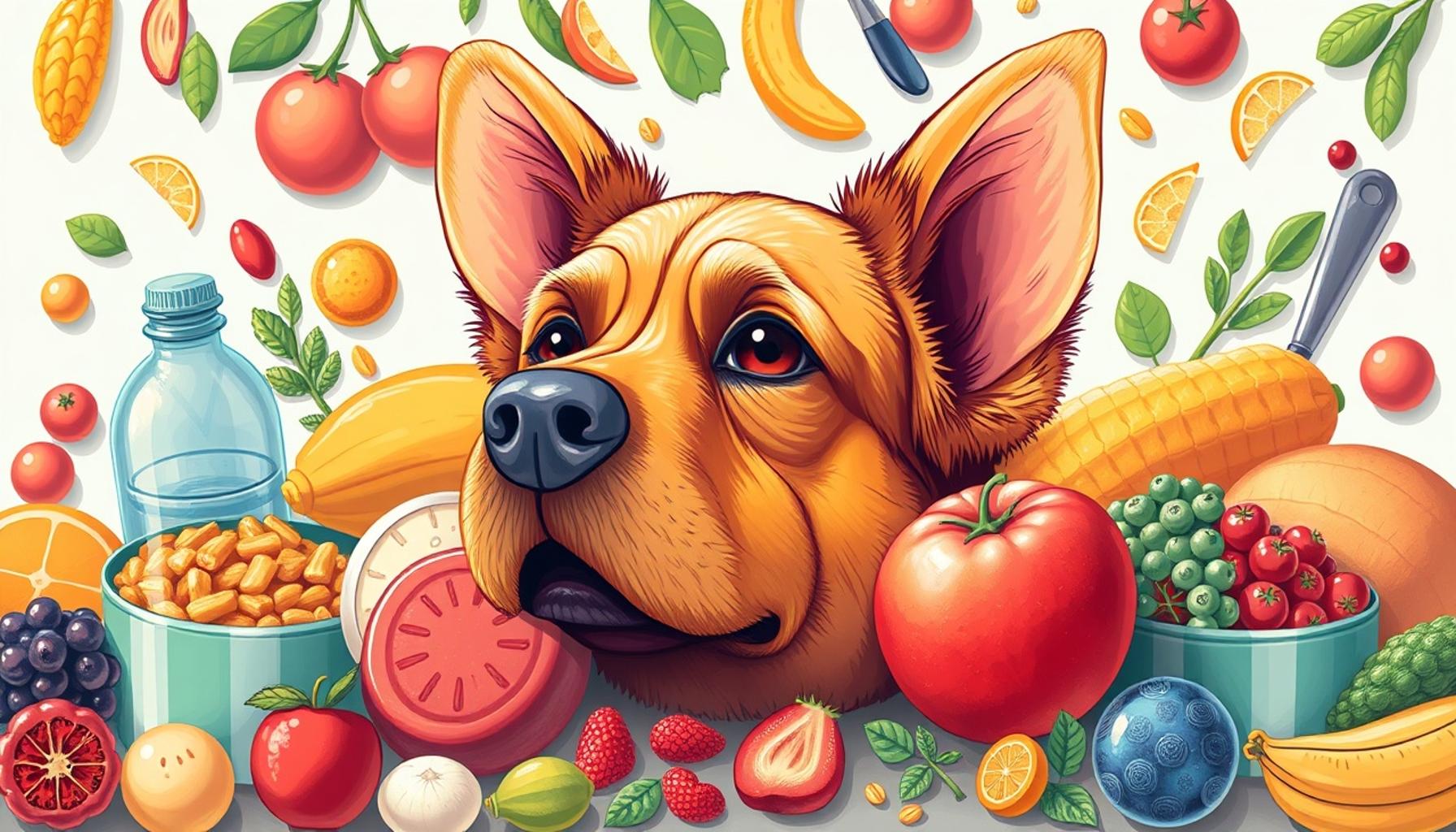
Understanding Essential Nutrients for Pets
Every pet owner wants the best for their furry friends, but how often do we consider the critical role of essential nutrients in their diets? Just like humans, pets require a balanced mix of vitamins, minerals, and other nutrients to thrive. The right combination can lead to better health, increased energy levels, and a longer lifespan. In this exploration, we will unpack the vital role that these nutrients play in your pet’s health and how to ensure they receive the right balance.
Why are Nutrients Crucial?
Essential nutrients serve various functions, including:
- Supporting Growth: Young pets, such as puppies and kittens, are particularly vulnerable and require proper nutrients for optimal growth and development. For instance, calcium and phosphorus are crucial for building strong bones and teeth, while protein helps develop muscles and repair tissues.
- Boosting Immunity: Nutrients like vitamin E and zinc play a significant role in strengthening your pet’s immune system. A strong immune response is vital for warding off illnesses and infections, particularly in older pets or those with pre-existing health conditions.
- Maintaining Healthy Skin and Coat: Nutrients such as omega-3 and omega-6 fatty acids are vital for promoting skin health, preventing dryness, and reducing inflammation. A diet rich in these essential fatty acids ensures a shiny, healthy coat and can even alleviate skin allergies in pets.
Without adequate nutrition, pets may face a multitude of health issues, from obesity to chronic diseases. Malnutrition can lead to deficiencies that manifest in various ways, including lethargy, poor coat condition, and digestive problems. This makes understanding the specific needs of your pet’s diet essential for ensuring their overall well-being and preventing long-term health complications.
Nutritional Requirements Vary
Different pets have varied dietary requirements based on factors such as:
- Species: Dogs, cats, birds, rabbits, and other animals have different nutritional needs. For example, dogs are omnivorous and thrive on a varied diet, whereas cats are obligate carnivores, requiring a higher protein intake primarily from animal sources.
- Age: Puppies and kittens require different nutrients compared to adult pets. For instance, kitten formulas are generally higher in protein and fat to support rapid growth, while adult formulas focus on maintaining health and preventing obesity.
- Activity Level: Active pets may need more calories and proteins than sedentary ones. For example, working dogs, agility champions, or active breeds like Border Collies may have higher energy needs, requiring specially formulated high-performance diets.
Exploring these nutrient needs not only helps in choosing the right commercial pet food but also opens avenues to consider homemade diets, which can be tailored to meet specific needs. However, it is crucial to seek guidance from veterinarians or pet nutritionists when transitioning to homemade meals to ensure all essential nutrients are included.
Understanding the importance of essential nutrients leads you to make informed choices for your pet’s health and happiness. By prioritizing a balanced diet, you can enrich your pet’s life, ensuring they stay healthy and energetic throughout their journey with you.
DIVE DEEPER: Click here to learn more
The Role of Essential Nutrients in Pets’ Health
When we think about our pets’ diets, it’s easy to get caught up in the mundane choices of flavors and textures. However, the importance of essential nutrients cannot be overstated. These nutrients not only fuel our pets, but they also play a pivotal role in maintaining their overall health. The components of a well-balanced diet can help prevent numerous health issues, promote longevity, and enhance quality of life.
Key Nutrients Every Pet Needs
Just as we prioritize certain nutrients for our own health, it’s important to recognize which ones are vital for our pets. Here are some key nutrients that should be included in your pet’s diet:
- Proteins: Proteins are the building blocks of life, crucial for muscle development, tissue repair, and overall growth. Pets derive their amino acids primarily from animal-based proteins, which are more complete than plant sources.
- Fats: Healthy fats provide concentrated energy and are necessary for the absorption of fat-soluble vitamins. Omega-3 and Omega-6 fatty acids, found in fish oil and flaxseeds, support skin health, brain function, and overall vitality.
- Vitamins and Minerals: These micronutrients are essential for a myriad of metabolic processes. Vitamins A, D, E, and K each serve unique roles, from vision and immune function to blood clotting. Minerals like calcium and phosphorus are indispensable for bone health and the overall structural integrity of your pet.
- Fiber: Although not a nutrient in the traditional sense, fiber is crucial for a healthy digestive system. It aids in regulating bowel movements and can help manage weight by promoting feelings of fullness.
Incorporating these nutrients into your pet’s diet can have profound effects on their health. Pets that receive appropriate nutrients tend to exhibit better behavior, increased vitality, and a lower incidence of illness.
Recognizing Nutrient Deficiencies
Understanding the importance of essential nutrients extends beyond knowing what to include; it also involves recognizing the signs of nutrient deficiencies. A well-nourished pet will have a shiny coat, a robust energy level, and clear eyes. Conversely, pets suffering from malnutrition may exhibit symptoms such as:
- Dry, flaky skin and dull fur
- Excessive itching or scratching
- Weight fluctuations or significant loss of muscle mass
- Digestive issues, such as diarrhea or constipation
If you notice any of these signs, it’s crucial to assess their diet and consult with a veterinarian to address potential deficiencies. In the end, ensuring that your pet gets all the essential nutrients is not just about meeting basic needs; it is about enhancing their quality of life and nurturing your bond.
The Importance of Essential Nutrients in Pets’ Diets
Essential nutrients are fundamental for maintaining the health of pets, providing them with the necessary tools to thrive. These nutrients, which include proteins, fats, carbohydrates, vitamins, and minerals, play vital roles in numerous bodily functions. Proper nutrient balance not only supports bodily growth and repair but also aids in energy production, immune function, and overall well-being.
For instance, proteins serve as the building blocks of muscle and tissues, critical for pets, especially during their growth phases. Furthermore, each type of pet has specific protein requirements based on their size, age, and activity level. Healthy fats, such as omega-3 and omega-6, are equally important as they contribute to skin health, shiny coats, and cognitive function. These dietary fats are essential for energy and are usually obtained through quality animal sources or fish.
Moreover, carbohydrates provide a quick energy source, while also being important for digestive health by promoting gut microbiota. Vitamins and minerals, while needed in smaller amounts, are essential for various metabolic processes and support functions like blood clotting, nerve transmission, and bone formation. A deficiency in these nutrients can lead to serious health issues, including weak bones, skin irritations, and immune deficiencies, which could drastically impact the quality of life of your pets.
To ensure that pets receive balanced diets filled with essential nutrients, it’s crucial for pet owners to understand and select appropriate food options. Often, high-quality commercial pet foods are formulated to meet the exact nutritional needs of pets. Consulting with a veterinarian can also provide personalized dietary recommendations based on individual health needs and lifestyle factors.
| Nutrient Category | Importance |
|---|---|
| Proteins | Building blocks of muscles and tissues essential for growth. |
| Fats | Support skin health and cognitive function; source of energy. |
| Carbohydrates | Provide energy and promote digestive health. |
| Vitamins & Minerals | Essential for metabolic processes and overall bodily functions. |
In conclusion, providing essential nutrients in pets’ diets is not merely a suggestion but an obligation that every pet owner should fulfill. Emphasizing balanced nutrition is the key to a long, healthy life for our furry companions, allowing them to enjoy the vitality and energy that comes from a well-rounded diet.
LEARN MORE: Click here to discover how nutrition affects your pet’s behavior
Consequences of Neglecting Nutritional Needs
While pet owners may often be tempted to choose convenience or cost over nutrition, neglecting essential nutrients in their pets’ diets can lead to serious health ramifications. In America, the pet food industry has grown significantly, with an overwhelming variety of products available, but not all are created equal. Selecting a low-quality, inexpensive food may satisfy a pet’s hunger momentarily but can set the stage for long-term health problems.
Common Health Issues Linked to Poor Nutrition
Many pet owners may be unaware that inadequate nutrition can lead to various health complications. Here are a few of the notable issues:
- Obesity: One of the most prevalent issues among pets, obesity results from a diet overly rich in calories without essential nutrients. Pets that are overweight are at higher risk of developing diabetes, joint problems, and heart disease, ultimately decreasing their lifespan.
- Dental Problems: A lack of essential nutrients can contribute to poor dental health. Pets on a diet low in adequate vitamins and minerals are more susceptible to plaque buildup and gum disease, which can lead to painful infections and even affect systemic health.
- Skin and Coat Issues: Poor diets lacking in fatty acids can result in dry, flaky skin and an unkempt coat. Pets may also suffer from itching and infections due to compromised skin barriers caused by nutrient deficiencies, leading them to be more susceptible to allergens.
- Gastrointestinal Disturbances: Insufficient fiber in a pet’s diet can lead to a host of digestive issues, including constipation and diarrhea. Furthermore, inadequate nutrients may result in a weakened gut flora, adversely affecting digestion and nutrient absorption.
Recognizing the sheer connection between diet and physical well-being encourages pet owners to approach pet nutrition with serious intent. The right dietary balance not only supports optimal growth and health but can also avert many of the health challenges faced by pets today.
Choosing the Best Diet for Your Pet
When selecting food for your beloved companions, it is essential to prioritize quality over quantity. A good starting point is to look for products that meet the standards set by the Association of American Feed Control Officials (AAFCO), which indicates that the food contains essential nutrients and has been formulated for your pet’s specific life stage. Additionally, consider choosing brands that have a transparent ingredient list, highlighting whole-food sources and identifiable proteins.
Vet consultations are also a prudent step. A veterinarian can provide insights tailored to your pet’s health needs, helping you navigate dietary adjustments that may enhance their nutrition. Regularly reassessing your pet’s dietary needs can ensure they receive the essential nutrients necessary for their age, activity level, and health status.
In addition, maintaining a varied diet rich in whole foods can foster better health. For those interested in exploring homemade diets, ensuring a balanced formulation that includes proteins, fats, vitamins, and minerals is crucial. Partnering with a veterinarian or pet nutritionist can help create a well-rounded meal plan tailored to individual needs.
The journey towards optimal pet nutrition is ongoing, and it involves understanding the profound impact nutrients have on their health and well-being. Striving for a nutritionally rich diet not only enhances your pet’s life but strengthens the love and companionship you share.
LEARN MORE: Click here for insights on enriching your pet’s life
Conclusion: The Path to Healthier Pets
In conclusion, the importance of essential nutrients in pets’ diets cannot be overstated. A balanced diet rich in vital nutrients is fundamental to ensuring that pets lead healthy, happy lives. Owners must recognize that each nutrient plays a critical role, from supporting growth and development to preventing serious health issues. The potential repercussions of inadequate nutrition manifest as obesity, dental problems, skin conditions, and gastrointestinal disturbances, all of which compromise the quality of life of beloved pets.
By prioritizing high-quality pet foods that adhere to standards set by the Association of American Feed Control Officials (AAFCO) and consulting with veterinarians regarding dietary choices, pet owners can equip themselves with the knowledge necessary to make informed decisions. It’s also vital to think beyond mere convenience and cost; the long-term health of pets is invaluable. Regularly evaluating and updating their diet to match their life stage and specific health needs is crucial for fostering overall well-being.
As we strive for optimal nutrition, we unveil a pathway to a life filled with vitality for our companions. From considering homemade meal options with the guidance of professionals to ensuring varied and nutrient-rich diets, every choice we make is a step toward enhancing our pets’ health. Embracing the significance of these nutrients not only enriches their lives but also reinforces the bond between pet and owner, making it essential for every responsible pet guardian to commit to their nutritional needs.