The importance of genetic diversity in dog and cat breeds
Understanding Genetic Diversity in Pets
Genetic diversity is a fundamental aspect of animal breeding that significantly influences the health and well-being of our beloved dogs and cats. Unfortunately, its importance is often underestimated, yet it can have a profound effect on everything, from the physical characteristics of pets to their vulnerability to diseases. To grasp how genetic diversity manifests in our furry companions, we must explore various facets like health resilience, behavioral traits, and physical diversity.
- Health Resilience: A diverse genetic makeup strengthens the immune systems of pets, enabling them to fend off various illnesses and infections. Breeds with greater genetic variability tend to exhibit fewer genetic disorders, which means they can enjoy longer, healthier lives. For instance, mixed-breed dogs are often noted for their resilience against common health issues that plague purebreds, such as allergies and certain hereditary diseases.
- Behavioral Traits: A broader gene pool can lead to more stable and adaptable temperaments. Dogs and cats with diverse ancestries tend to possess varied behavioral characteristics, making them more versatile in dealing with different environments and social settings. For example, a mixed-breed dog may exhibit both playful and calm traits, making it suitable for families, active individuals, or seniors.
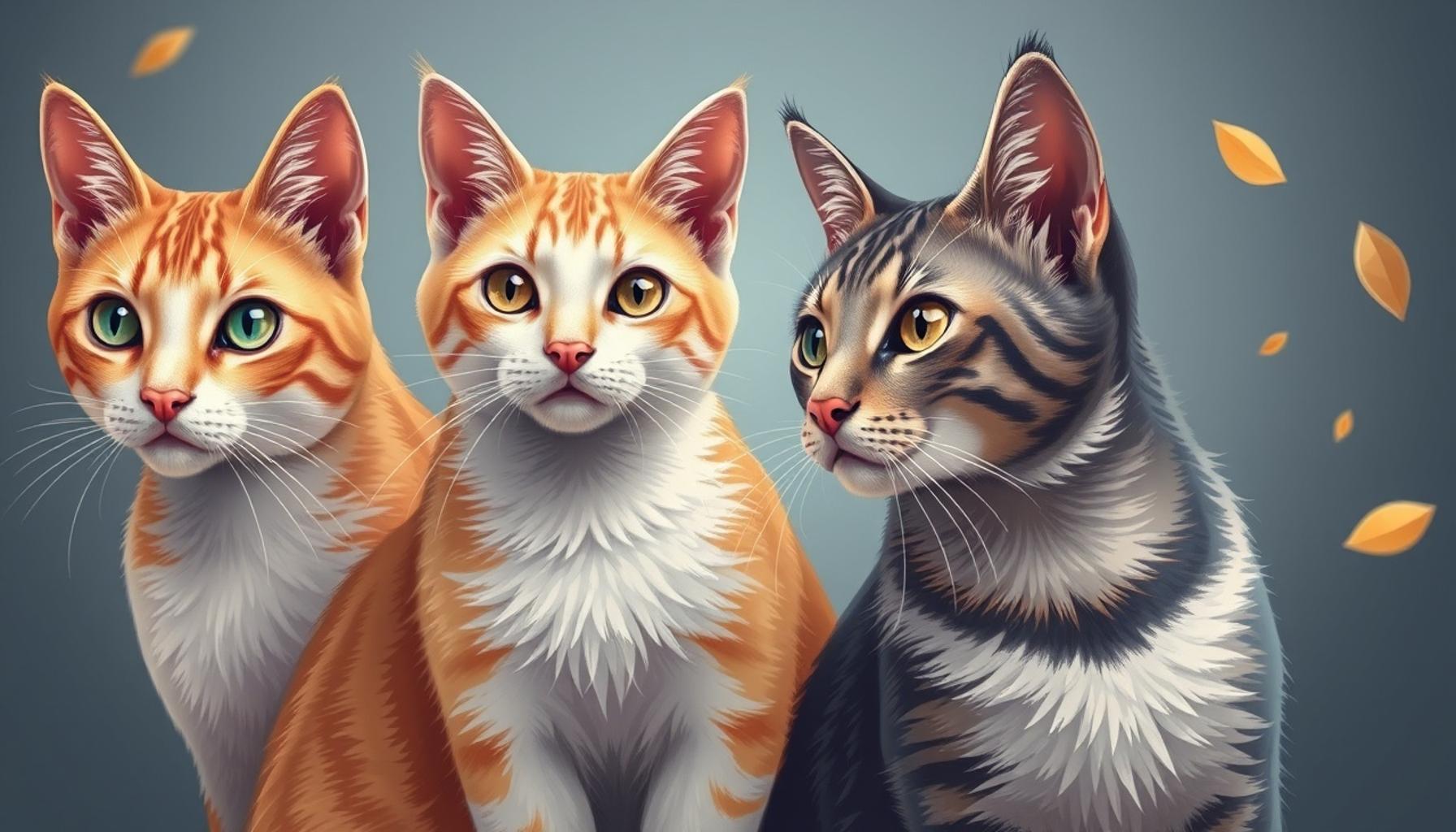
- Physical Diversity: Different breeds showcase a range of sizes, coat types, and colors, enriching the overall pet experience. While the sleekness of a Siamese cat differs vastly from the fluffy Maine Coon, such diversity appeals to various owner preferences, ensuring there’s a perfect match for everyone. This also helps in promoting interest in adopting less common breeds or mixes, contributing to an overall healthier pet population.
Despite the evident advantages of genetic diversity, many popular breeds suffer from the consequences of significant inbreeding. This practice, although often done in the name of preserving specific traits, has led to alarming health issues. For instance, hip dysplasia is prevalent among breeds like German Shepherds and Bulldogs, causing joint pain and mobility problems. Similarly, hypertrophic cardiomyopathy, a serious heart condition, is frequently seen in certain cat breeds such as Maine Coons and Ragdolls, leading to shortened lifespans and a lower quality of life for affected animals.
Enhancing genetic diversity is essential not just for the long-term survival of breeds but also for ensuring the welfare of individual animals. By acknowledging its importance, we can advocate for responsible breeding practices that prioritize health over appearance. Programs promoting outcrossing—breeding within the same species while introducing new genetic lines—are gaining momentum, highlighting the need to rethink our approaches to breeding in order to foster healthier, happier pets.
As pet owners and enthusiasts, understanding the implications of genetic diversity allows us to make informed decisions, whether we are looking to adopt a new pet or support responsible breeders. By considering genetic diversity, we can contribute to a better future for our four-legged companions, enabling them to thrive.
The Impact of Inbreeding on Pet Health
In recent years, the concern surrounding inbreeding among dog and cat breeds has attracted more attention from veterinarians, breeders, and animal lovers alike. While the drive to maintain breed purity has historical roots, the consequences of inbreeding can be detrimental to the health and vitality of pets. Inbreeding, defined as the mating of closely related animals, drastically limits the gene pool of a breed, often resulting in a host of genetic disorders and health complications.
For example, certain breeds are predisposed to specific hereditary conditions due to their limited genetic makeup. Consider the English Bulldog; while their charming appearance and gentle temperament make them popular companions, they are prone to serious health issues such as respiratory problems, skin infections, and joint disorders. Similarly, the Scottish Fold cat is renowned for its unique folded ears but is at risk of developing osteochondrodysplasia, a genetic condition that affects bone and cartilage development. These examples underscore the importance of genetic diversity in mitigating health risks for our furry friends.
Breed-Specific Health Concerns
Understanding the health concerns tied to specific breeds can shed light on the critical need for broader genetic diversity. Here are a few other breeds that showcase how inbreeding can lead to significant health problems:
- Boxers: This breed often faces dilated cardiomyopathy, a severe heart condition leading to heart failure.
- Persian cats: Inbreeding in Persians has resulted in a high incidence of polycystic kidney disease, a condition that can have life-threatening effects.
- Chihuahuas: These tiny dogs are often plagued by dental issues and patellar luxation due to their compact size and inbreeding practices.
These examples illustrate that while individual breeds may be adored for their unique traits, targeting genetic diversity is essential to foster healthier populations. Without intervention, the long-term viability of certain breeds is at stake. Breeders who prioritize a healthy gene pool are not only contributing to the welfare of individual animals but also to the preservation of the breed as a whole.
As we begin to appreciate the role of genetic diversity, we are also encouraged to adopt pets that may not fit into conventional breed categories. Mixed-breed dogs and cats typically benefit from broader genetic diversity, often leading to improved health outcomes and resilience. By embracing mixed breeds and supporting responsible breeding practices, we can take part in a movement aimed at ensuring our pets lead longer, healthier lives.
As we move forward in this exploration of genetic diversity, it is crucial for pet owners and breeders alike to recognize the weight of their breeding choices. By understanding the implications of genetic limitations, we can make informed decisions that will not only affect individual animals but also influence the health of future generations of our cherished companions.
| Advantage | Description |
|---|---|
| Improved Health | Genetic diversity reduces the risk of hereditary diseases, promoting a robust immune system. |
| Behavioral Variety | Diverse genetics lead to a range of temperaments and behaviors, offering more choices for pet owners. |
| Longer Lifespan | Breeds with genetic variability typically enjoy longer life spans due to less inherited health complications. |
| Adaptability | Genetically diverse breeds can adapt better to environmental changes and diverse living conditions. |
In exploring the importance of genetic diversity in dog and cat breeds, it becomes evident that broader genetic variation plays a pivotal role in ensuring not just the well-being of the animals but also the fulfillment of pet owners’ needs. For instance, healthier pets are less likely to suffer from genetic disorders that plague certain purebred lines. This is crucial, as pet owners seek companionship without the constant worry of potential health crises.Moreover, the behavioral aspects are equally vital. With greater genetic diversity, owners can select pets that fit their family dynamics—whether looking for an energetic companion or a calm, cuddly friend. This versatility enhances the human-animal bond, creating more lasting relationships.Finally, acknowledging that genetic diversity helps in breeding dogs and cats that are more resilient allows us to cultivate an environment where our furry friends can thrive in their homes, maintaining their health and happiness over the years. Such factors underscore the critical need to advocate for genetic diversity, ultimately benefiting pets and their families alike.
Fostering Genetic Diversity: A Path to Healthier Breeds
The ongoing challenge of maintaining genetic diversity in dog and cat breeds cannot be overstated. Genetic diversity plays a crucial role in ensuring that animal populations remain robust and resilient against disease and environmental changes. By reducing the risks associated with inbreeding, breeders can cultivate healthier offspring with a stronger immune system and reduced likelihood of hereditary health issues.
One of the key strategies to enhance genetic diversity is through outcrossing, which involves introducing unrelated animals into a breed’s gene pool. This technique has been shown to significantly decrease the prevalence of inherited disorders. For instance, the practice of outcrossing has been effectively used in breeds like the German Shepherd to combat hip dysplasia, a common issue that affects the breed. By integrating external genetic material, these dogs are not only less likely to suffer from joint problems but often display improved overall health and vitality.
The Role of Breed Clubs and Standards
Breed clubs play an instrumental role in fostering genetic diversity. They can enforce guidelines that encourage ethical breeding practices and responsible outcrossing. For example, the American Kennel Club (AKC) provides resources and recommendations for breeders, promoting the idea that diversity can coexist with breed standards. This approach helps preserve the distinct characteristics of each breed while enhancing genomic variability.
Additionally, organizations such as The Cat Fanciers’ Association (CFA) are increasingly recognizing the need for genetic health screening. By implementing health tests for potential breeding stock, these associations encourage breeders to make informed decisions that prioritize the health of the future generation over mere pedigree. It is an evolving attitude that emphasizes not only the aesthetic and behavioral traits but also the genetic factors that foster long-lasting health.
Mixed Breeds: Nature’s Genetic Solution
The growing popularity of mixed-breed dogs and cats also underscores the benefits of genetic diversity. In the context of pet adoption, mixed breeds often exhibit fewer hereditary health complications when compared to their purebred counterparts. Studies suggest that mixed-breed dogs, often referred to as mutts, can live significantly longer and experience fewer health issues. An examination of a group of purebred versus mixed-breed dogs discovered that mutts had a 25% lower risk of developing major health problems.
Moreover, the resilience observed in mixed breeds can be attributed to the concept of hybrid vigor, wherein offspring resulting from genetically diverse parents exhibit better overall health and fitness. This phenomenon showcases how the introduction of varied genetics can lead to a stronger, more healthful population, paving the way for a future where all pets benefit from greater biological strength.
Community Involvement and Awareness
Community involvement is another vital piece in ensuring genetic diversity among our pets. Educating pet owners about the importance of adopting mixed-breed pets and sourcing from responsible breeders can significantly change the landscape of pet ownership in the U.S. Advocacy groups emphasize that potential owners should look for transparency regarding a pet’s lineage and the health of its parents.
As society becomes increasingly aware of the implications of inbreeding, there is a growing push for policies that support breeding practices aimed at producing healthier breeds. Community initiatives focused on educating the public about the benefits of genetic diversity can promote a more compassionate and informed approach to pet adoption and breeding practices.
Conclusion: A Commitment to Genetic Diversity for Future Generations
As we reflect on the multifaceted implications of genetic diversity within dog and cat breeds, it becomes clear that fostering this diversity is not merely an option—it’s an essential commitment to the health and well-being of our cherished pets. The linkage between genetic variation and resilience against diseases, coupled with the potential for reduced hereditary health issues, showcases the profound benefits that come from prioritizing genetic diversity in breeding practices.
Encouraging outcrossing and promoting ethical standards amongst breeders, supported by organizations like the American Kennel Club and the Cat Fanciers’ Association, serve as fundamental pillars in this endeavor. Furthermore, the rise of mixed-breed pets exemplifies that a diverse genetic background contributes to a more vigorous population, revealing exciting possibilities for the future of our dogs and cats.
Ultimately, community engagement and increased awareness are vital to reshaping perceptions of pet ownership. Educating future pet owners on the significance of adopting mixed breeds and encouraging responsible breeding practices can help create a healthier ecosystem of canine and feline companions. As we advocate for policies that endorse genetic health screening and ethical breeding, we pave the way for a more vibrant future where our pets thrive. Together, embracing the importance of genetic diversity allows us to honor the rich heritage of breeds while securing the health and happiness of our furry friends for generations to come.