
The Role of Aquarium Fish Species in Environmental Education and Conservation
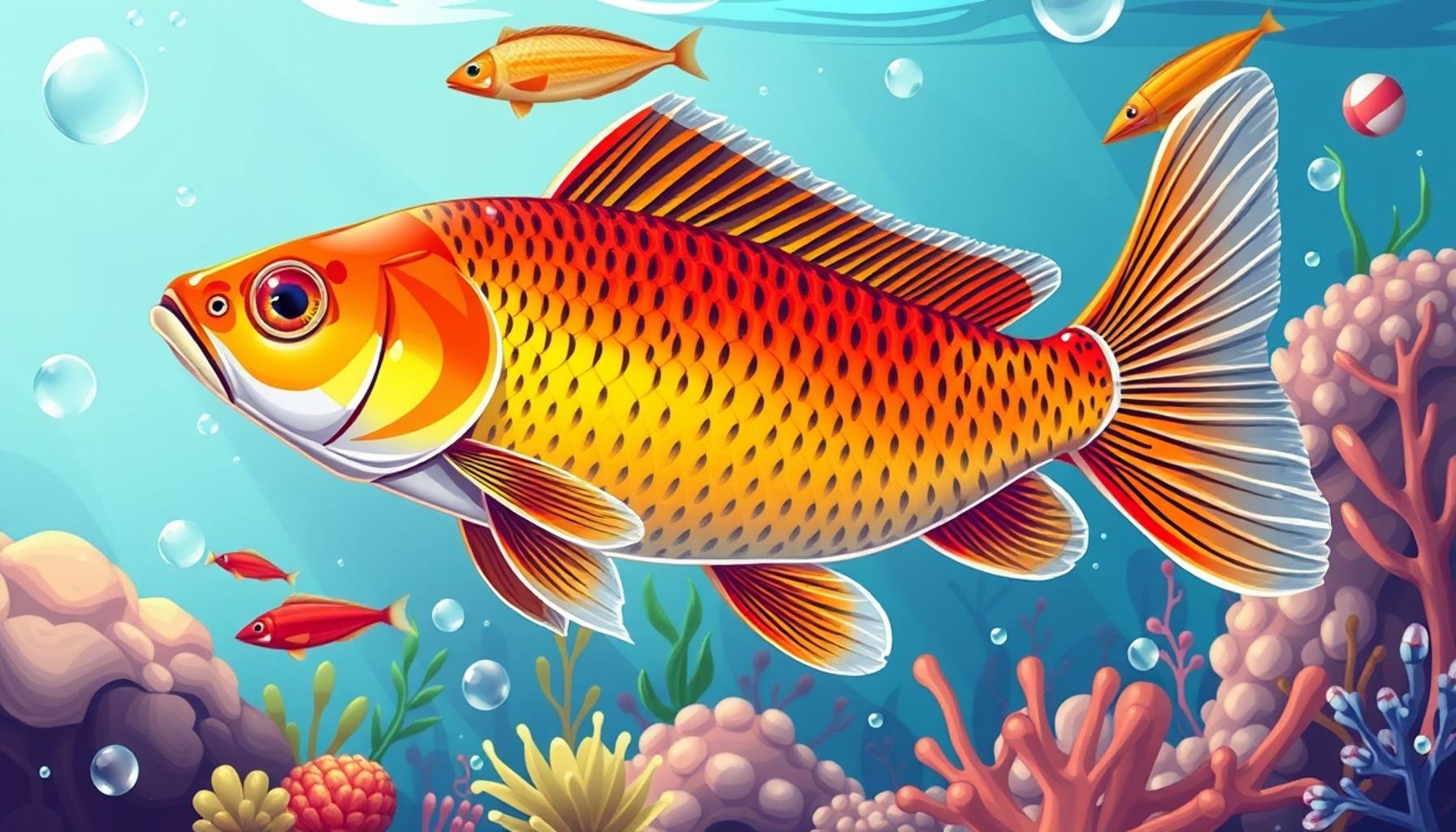
The Vital Role of Aquarium Fish in Environmental Education
Aquarium fish contribute significantly to environmental education, serving as a bridge between human curiosity about marine life and critical conservation efforts. These vibrant creatures, whether it’s the striking colors of a Betta fish or the intriguing patterns of a clownfish, illustrate the rich diversity of aquatic ecosystems. Engaging with these species allows individuals to develop a deeper understanding of several key environmental concepts that are essential for fostering a culture of conservation.
Habitat Preservation
Habitat preservation becomes a tangible concept when observing aquarium fish. Many species are highly dependent on specific habitats, such as coral reefs or freshwater lakes. For instance, the stunning Blue Tang, a popular choice among aquarium enthusiasts, is native to coral reefs in the Indo-Pacific. By learning about these habitats through their fish, visitors can appreciate the fragility of these ecosystems and the urgent need to protect them against climate change and pollution.
Species Conservation
The plight of endangered species is highlighted through aquarium exhibits that focus on species conservation. Aquariums often showcase fish such as the Hawaiian Cleaner Wrasse, which faces threats from habitat loss and overfishing. Through dedicated educational programs, aquariums create awareness around the need for conservation efforts, encouraging visitors to participate in or support initiatives aimed at protecting these species.
Water Quality and Ecosystem Health
Water quality is another fundamental concept that aquarium fish help to illustrate. Healthy aquatic life cannot thrive in polluted or improperly managed water systems. Aquariums often use real-time monitoring systems to show visitors how changes in water quality affect fish health and behavior. By learning the importance of water systems through their interactions with fish, visitors are empowered to advocate for better water management practices in their own communities.
Ecosystem Interdependence
The interconnectedness of various species within an ecosystem, referred to as ecosystem interdependence, is exemplified through the behaviors and relationships of aquarium fish. For example, many species rely on specific microorganisms for food or symbiotic relationships for survival. This not only emphasizes the importance of biodiversity but also reinforces the notion that disruption to one species can have cascading effects throughout the ecosystem.
Engagement and Empowerment
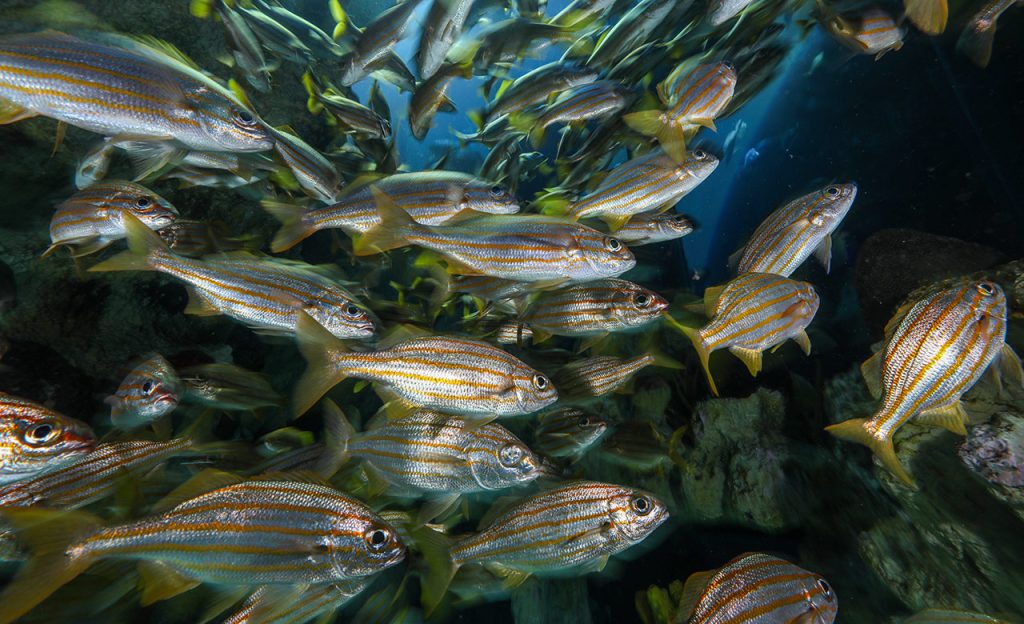
By fostering a connection between aquarium fish and human visitors, these institutions play a crucial role in educating the public about conservation challenges. Interactive programs and behind-the-scenes tours allow participants to engage directly with experts and aquarists, leading to a richer understanding of aquatic life. As visitors leave these exhibits, they often take home not just fond memories, but also motivations to support global conservation efforts actively.
In essence, the experiences gained from observing and learning about aquarium fish can empower individuals to become stewards of the environment, making informed decisions that positively impact our planet’s health.
Understanding the Impact of Aquarium Fish on Conservation Awareness
Aquarium fish serve not only as captivating displays of color and movement, but they also play an essential role in enhancing public understanding of vital environmental issues. Whether at a local aquarium or a renowned marine facility, these fish help illustrate how individual species and their habitats are intricately linked to broader ecological concerns. The integration of live exhibits with educational programming promotes a climate of awareness and action among visitors.
Education Through Observation
One of the most effective methods of fostering a connection between visitors and environmental stewardship is through hands-on observation. By engaging with aquarium fish, individuals can witness firsthand the diversity of aquatic life and the unique characteristics of various species. This exposure raises awareness about the species that are often overlooked in traditional conservation narratives. For example, visitors may learn about the importance of small reef fish, like the damselfish, which play a critical role in maintaining the health of coral ecosystems, creating a newfound respect for every creature within their aquatic environment.
Experiential Learning Programs
Many aquariums offer experiential learning programs, linking the aquarium’s inhabitants to ongoing conservation efforts. These initiatives may include activities such as:
- Fish feeding demonstrations: Showcasing the dietary needs of different species helps visitors understand their role in the ecosystem.
- Breeding programs: Highlighting captive breeding efforts for endangered species provides insight into real-world conservation measures.
- Water testing workshops: Enabling visitors to test the aquarium water fosters discussion about water management and quality, reflecting environmental health.
Through these hands-on experiences, visitors leave with a more profound appreciation of the delicate balance that keeps marine environments thriving. They become equipped with knowledge that promotes personal responsibility towards protecting aquatic ecosystems.
Global Perspectives on Local Action
Aquarium fish also offer a global perspective on conservation challenges. Species like the Clownfish have become iconic symbols of the threats faced by marine habitats, including climate change and ocean acidification. By addressing such issues, local aquariums become a platform for discussing global concerns, urging individuals to consider how their choices, such as reducing plastic use or supporting sustainable seafood, can have far-reaching implications.
As visitors digest this information, they are encouraged to take action, whether through local conservation initiatives or by supporting organizations dedicated to the preservation of marine biodiversity. The knowledge gained about aquarium fish species becomes a catalyst for broader environmental consciousness, fostering a sense of community and shared responsibility for the planet’s future.
In conclusion, engaging with aquarium fish species illuminates crucial conservation challenges and empowers individuals with the information needed to drive change. Through education, exposure, and inspiration, aquariums create a ripple effect, encouraging people not just to admire the beauty of marine life, but to actively participate in its preservation.
| Advantages | Description |
|---|---|
| Enhanced Awareness | Aquarium fish species serve as captivating examples, allowing visitors to develop a stronger connection with aquatic habitats. |
| Conservation Advocacy | Through engaging programs, aquariums can promote conservation efforts and inspire action among the public. |
The role of aquarium fish species extends beyond mere display; they become vital instruments for enhancing environmental education and conservation awareness. By presenting these species in a controlled environment, aquariums offer insights into the intricate ecosystems of aquatic life. This interaction fosters a deeper understanding among audiences about the delicate balance of our natural resources.Moreover, aquarium exhibits highlight the threats faced by various fish species due to pollution, habitat destruction, and climate change. Programs designed for school groups often utilize interactive learning methods, enabling students to connect theoretical knowledge with real-world scenarios. Research indicates that educational programs featuring live animals can result in significantly higher retention of information.Additionally, aquariums often engage in breeding and rehabilitation efforts for endangered species. Through public outreach and fundraising initiatives, they generate support for conservation projects globally. By showcasing the beauty and diversity of aquatic life, aquariums can effectively rally support for protective measures, making them essential players in the fight against biodiversity loss.
Fostering a Culture of Conservation Through Community Engagement
Aquariums are not just institutions for displaying marine life; they are vital centers for community engagement and participation in conservation efforts. By providing opportunities for local communities to connect with aquatic environments, aquarium fish play a crucial role in fostering a culture of conservation. This connection is facilitated through a variety of outreach programs and partnerships that emphasize the importance of protecting aquatic ecosystems.
Community Involvement and Citizen Science
One effective approach is the involvement of community members in citizen science initiatives. Programs that encourage individuals to participate in biodiversity monitoring not only enhance knowledge about local fish species but also instill a sense of ownership over their local ecosystems. For instance, initiatives that engage volunteers in cataloging local fish populations or recording observations about water quality can build a commitment to conservation. Participating in such projects makes individuals active contributors to the scientific community and raises awareness about the factors affecting fish populations and their habitats.
The Importance of Local Species
While many aquarium fish are exotic species, numerous aquariums in the United States highlight the importance of native fish species. For example, programs that focus on freshwater species like the American eel or the Eastern brook trout educate visitors on local environmental challenges such as habitat degradation, pollution, and overfishing. These programs cultivate an appreciation for local biodiversity and the ecological services these fish provide. The opportunity to see and learn about native species encourages visitors to advocate for their protection and restoration efforts in local watersheds and estuaries.
Aquarium Fish in Global Conservation Efforts
Aquarium fish also contribute to global conservation narratives through participation in international initiatives aimed at protecting marine biodiversity. The Marine Conservation Society and similar organizations work alongside aquariums to address issues such as overfishing, habitat loss, and climate change. By incorporating the stories of aquarium fish that are endangered or threatened, aquariums can vividly bring these global challenges to the forefront of public discussion. Well-known species like the parrotfish help illustrate the far-reaching effects of coral reef degradation, prompting visitors to consider their impact on remote ecosystems.
Advocacy and Legislative Action
In addition to educational programs, aquariums engage in advocacy and legislative action to promote policies that support marine conservation. Public awareness campaigns launched by aquariums can mobilize community support for local and national initiatives aimed at protecting aquatic habitats. By leveraging their platform, aquariums can effectively communicate the urgency of issues like plastic pollution or habitat restoration, encouraging individuals to contact their representatives and advocate for impactful legislation.
The integration of aquarium fish into community outreach and conservation messaging exemplifies how these vibrant creatures can become symbols of environmental responsibility. By connecting educational initiatives directly to local ecosystems and global conservation efforts, aquariums deepen the public’s understanding of their role in protecting the planet’s most valuable resources. As visitors engage with these initiatives, they extend their awareness beyond the aquarium walls and foster a lasting commitment to aquatic conservation.
Conclusion: The Vital Link Between Education and Conservation
In conclusion, the role of aquaarium fish species in fostering environmental education and conservation cannot be overstated. Through captivating exhibits, interactive programs, and community engagement initiatives, aquariums serve as powerful platforms for raising awareness about the importance of aquatic ecosystems. By showcasing both exotic and native species, they not only educate the public on the beauty and diversity of marine life but also highlight the environmental challenges these species face.
The integration of local species into educational programs emphasizes the need for conservation at home, encouraging visitors to take action within their communities. Citizen science projects effectively bridge the gap between scientific research and public participation, empowering individuals to become stewards of their local environments. Furthermore, global conservation efforts, backed by aquariums, underscore the interconnectedness of ecosystems and the impact of human behavior on marine biodiversity.
As aquariums advocate for legislative action and mobilize community support for vital conservation policies, they not only amplify the voices of aquatic species but also inspire visitors to champion similar causes. This dynamic connection between education and advocacy ensures that the lessons learned within aquarium walls extend far beyond, fostering a culture of responsibility and stewardship for our planet’s aquatic resources.
The next time you visit an aquarium, remember that the vibrant fish swimming gracefully in their tanks are more than mere attractions; they are ambassadors for environmental action, calling on us to understand, protect, and conserve the world’s precious aquatic ecosystems. Together, through informed action and collective effort, we can make significant strides toward a sustainable future for all marine life.