The Role of Hobbies in Enhancing Mental Resilience and Reducing Stress

The Power of Hobbies in Our Lives
In today’s fast-paced world, the significance of hobbies often goes unnoticed amidst the chaos of daily life. Engaging in leisure activities provides not only an escape but also serves as a powerful tool for improving mental resilience and alleviating stress. Various studies indicate that individuals who participate in hobbies experience significant benefits in their overall well-being. Not only do they find joy in these pursuits, but there is also compelling evidence suggesting that hobbies can contribute positively to mental health.
Hobbies can take many forms, each offering unique advantages. Here are some popular examples:
- Arts and Crafts: Activities like painting, sculpting, or knitting foster creativity and mindfulness. Expressing oneself artistically can reduce stress and anxiety while enhancing focus. For instance, a recent survey from the American Art Therapy Association revealed that approximately 98% of participants felt calmer and more grounded after engaging in art-making.
- Physical Activities: Sports, yoga, or dance promote not only physical health but also mental well-being by releasing endorphins, which are natural mood lifters. Engaging in sports such as basketball or soccer with friends can combine social interaction with physical activity, enhancing overall happiness.
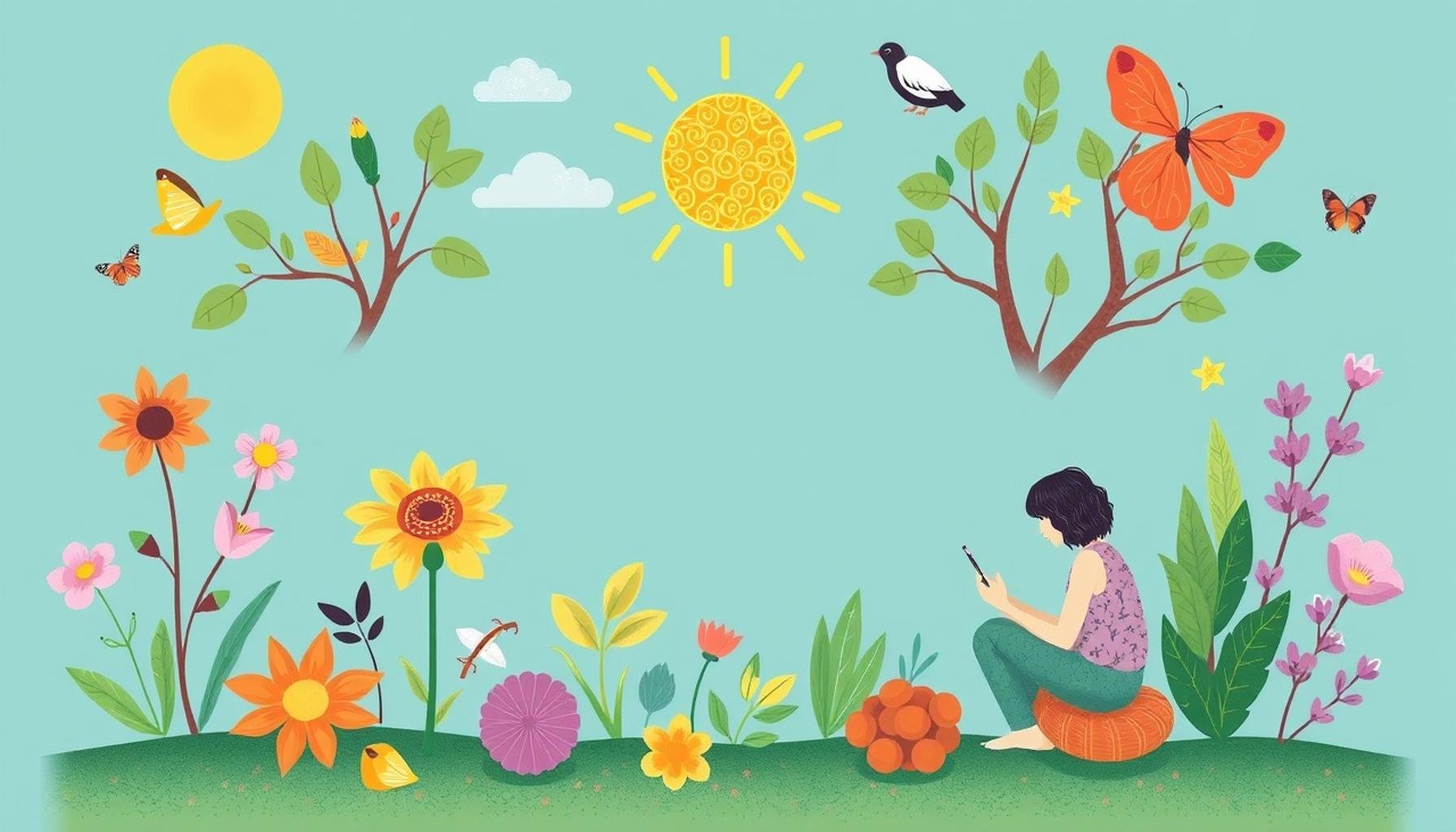
- Gardening: Connecting with nature can improve mood and reduce anxiety. Numerous studies highlight how gardening can decrease cortisol levels, thereby mitigating stress. For example, the act of planting and nurturing plants creates a sense of purpose and connection to the earth, fostering a soothing and rewarding experience.
- Reading: Escaping into a good book resets the mind and broadens perspectives. Research indicates that reading fiction, in particular, enhances empathy and understanding. A 2013 study from the University of Toronto found that individuals who read extensively showed greater emotional intelligence, which can be instrumental in navigating personal relationships.
Research has shown that engaging in hobbies can lead to:
- Enhanced Focus: Hobbies require concentration, diverting attention from stressors. Activities like puzzle-solving or model-building demand a level of concentration akin to meditation, allowing the mind to escape from daily pressures.
- Emotional Release: Hobbies provide a safe outlet for expressing feelings and frustrations. For instance, journaling as a hobby can facilitate emotional processing and clarity, helping individuals to articulate their thoughts and feelings.
- Sense of Achievement: Completing a project fosters self-esteem and confidence. Whether it’s finishing a complex woodworking project or writing a short story, each accomplishment adds to personal pride, further motivating continued engagement in hobbies.
As we delve into the connection between hobbies and mental health, we’ll explore how dedicating time to personal passions can yield profound benefits. Engaging in hobbies can become a vital part of maintaining a balanced, healthy life. Whether it’s discovering a new interest or rekindling a forgotten passion, understanding this relationship may inspire you to embrace your interests and enhance your resilience in the face of life’s challenges. In a society that often glorifies busyness, remember that taking time for yourself is not a luxury—it is a necessity for a well-rounded, fulfilling life.
The Transformative Benefits of Hobbies
Participating in hobbies is not merely a way to fill free time; it can be a crucial component in strengthening mental resilience and combating stress. Numerous psychological studies suggest that indulging in personal passions enhances emotional well-being, proving that these activities can serve as vital lifelines during challenging times. By immersing oneself in hobbies, individuals create a buffer against stress and boost their mental fortitude, which is essential in today’s increasingly demanding environment.
One way hobbies promote mental resilience is through the cultivation of a supportive routine. Establishing a regular schedule to engage in beloved activities fosters structure in daily life, which can significantly decrease feelings of chaos and unpredictability. For instance, practicing a musical instrument not only sharpens cognitive skills but also instills discipline and determination. As individuals master their chosen craft, they naturally develop perseverance, a key attribute of mental resilience.
Mindfulness is another critical factor at play when engaging in hobbies. Many leisure activities demand concentration and presence, which can divert thoughts from daily pressures. Mindfulness has been extensively studied and is proven to lower anxiety and improve emotional regulation. Activities such as painting or playing chess require an individual to focus entirely on the task at hand, leaving little room for stress-induced distractions. A study by the American Psychological Association highlights that engaging in hobbies can result in lowered heart rates and reduced feelings of stress after just 30 minutes of involvement.
Moreover, hobbies can help individuals cultivate a sense of community and social connectedness, both of which are essential to combating stress and enhancing mental resilience. Whether through joining a book club, participating in team sports, or attending crafting workshops, hobbies often lead to new friendships and support networks. Social interaction has been shown to buffer against stress, with numerous psychologists emphasizing the value of sharing experiences with others. According to a report from the National Institute of Mental Health, people who engage with others in shared activities experience lower levels of loneliness and improved mental health outcomes.
To further illustrate the diversity of hobbies and their roles in psychological enrichment, consider the following examples:
- Cooking: Experimenting with new recipes not only sparks creativity but also fosters a sense of accomplishment once a meal is prepared. Cooking has been linked to reduced stress levels due to the combined benefits of physical activity and sensory engagement.
- Photography: Capturing moments through photography encourages individuals to pay attention to their surroundings, enhancing gratitude and appreciation for life’s small pleasures. Moreover, sharing photos in community groups can foster social connections.
- Music: Learning to play an instrument or engaging in singing can provide emotional relief and a profound sense of connection to oneself and others, making it an ideal outlet for stress relief.
As we navigate the complexities of modern life, it becomes increasingly evident that the benefits of hobbies extend far beyond enjoyment. Focusing on pursuits that engage both the mind and body allows individuals to build resilience and effectively manage stress. In this fast-paced society, carving out time for these activities is not just a luxury; it is a necessity for a fulfilled and balanced existence.
The Role of Hobbies in Enhancing Mental Resilience and Reducing Stress
Engagement in hobbies serves as a critical outlet for stress relief and mental clarity. Hobbies not only offer relaxation but also foster mental resilience, enabling individuals to bounce back from daily challenges more effectively. The process of immersing oneself in creative or recreational activities can lead to a significant reduction in anxiety levels and enhance overall emotional well-being.
For instance, activities such as painting, gardening, or playing a musical instrument can initiate a flow state, where individuals become so engrossed in the task that they forget their worries. This ‘mindfulness’ practice helps to solidify coping mechanisms against stress, making it easier to face obstacles in life. Studies have shown that individuals who regularly engage in hobbies report lower levels of mood swings and more stable emotional states.
Moreover, hobbies can also enhance social connections. Joining clubs or groups based around shared interests creates a sense of community and belonging, which is essential for emotional resilience. The camaraderie formed through these interactions serves as a buffer against feelings of loneliness and isolation, often contributing to a better outlook on life.
The beneficial aspects of hobbies extend to improved cognitive functions as well. Engaging in mentally stimulating activities can enhance focus, decision-making abilities, and problem-solving skills. Whether it’s through strategic games or crafting, the brain is kept sharp and adaptable, mirroring the resilience it garners from such experiences.
| Category | Description |
|---|---|
| Creative Hobbies | Fosters self-expression and promotes mental release through arts and crafts. |
| Physical Hobbies | Activities like sports or yoga enhance physical health and alleviate stress through movement. |
| Social Hobbies | Encourages interaction and develops a support system, essential for boosting mental health. |
In essence, the reclamation of free time through hobbies is a vital component in building resilience and reducing stress. By exploring different avenues of interest, individuals can discover coping strategies that resonate with them, leading to a happier and more balanced life.
Hobbies as Tools for Personal Growth and Emotional Healing
In addition to the routine and mindfulness elements associated with hobbies, another compelling aspect lies in their profound capability to facilitate personal growth and emotional healing. Engaging in creative activities can serve as a powerful outlet for repressed emotions, allowing individuals to express thoughts and feelings that may be difficult to articulate verbally. For example, writing in a journal or composing poetry can function not only as a form of self-reflection but also as therapeutic release. Research from the University of Southern California indicates that expressive writing can lead to reduced symptoms of depression and anxiety, highlighting the potential of written hobbies as effective tools for emotional recovery.
Physical hobbies, such as gardening or yoga, contribute significantly to mental resilience as well. Gardening, for instance, is known for its therapeutic effects—often referred to as “horticultural therapy.” Studies have shown that nurturing plants can lower cortisol levels, the hormone associated with stress, thereby enhancing emotional well-being. Participants reported a sense of achievement and purpose as they tended to their gardens, which also fosters a connection to nature known to promote tranquility.
Yoga and other physical activities enhance resilience not just through physical fitness but also via the incorporation of breathing techniques and postures that induce relaxation. According to a review by the American Journal of Lifestyle Medicine, the practice of yoga has been associated with reductions in anxiety, depression, and overall stress levels. This combination of physical movement and meditative focus allows participants to better handle life’s challenges, thereby reinforcing their ability to cope when faced with adversity.
Moreover, engaging in group hobbies can amplify the benefits discussed, as they create an interactive environment that nurtures collaboration and shared experiences. Team sports provide an excellent avenue not only for physical health but also for emotional resilience. Beyond the physical advantages, participants are likely to develop camaraderie and support systems that can be invaluable when facing personal struggles. Authors such as Dr. John McKinley emphasize the importance of these social components, suggesting that relationships built through shared interests promote a strong sense of belonging—an essential element of mental health.
Artistic hobbies, including painting, sculpting, and performing arts, play a unique role in stress reduction and resilience-building as they encourage self-discovery and creativity. Engaging in art allows individuals to explore personal identities and process emotions externally. A study from the University of Massachusetts Dartmouth found that art-making significantly decreased participants’ stress levels, leading to heightened feelings of happiness and satisfaction. These artistic outlets not only foster emotional expression but also encourage experimentation and risk-taking, fundamental components of mental growth.
As individuals navigate life’s complexities, hobbies such as these provide pathways to develop essential coping skills and emotional intelligence. With their ability to enrich daily life and promote personal fulfillment, hobbies can be seen not just as leisure activities but as valuable instruments for enhancing mental resilience and effectively managing stress. The ongoing exploration and participation in these activities can cultivate an enriched perspective on life, ultimately leading to a more balanced and fulfilled existence.
Conclusion: Embracing Hobbies for a Resilient Mind
As we conclude our exploration of the role of hobbies in enhancing mental resilience and reducing stress, it becomes evident that these activities are not merely pastimes, but vital components of our emotional and psychological well-being. Hobbies provide an essential outlet for creativity and self-expression, enabling individuals to process complex emotions and foster a deeper understanding of themselves. Whether through artistic endeavors, physical activities, or collaborative group experiences, engaging in hobbies cultivates skills that are crucial for overcoming life’s challenges.
The growing body of research underscored the therapeutic impacts of hobbies, revealing their capacity to reduce symptoms of anxiety and depression while promoting feelings of achievement and belonging. Such engagement creates a twofold benefit: enhancing mental resilience while simultaneously offering an effective tool for stress management. Moreover, the social connections formed through shared interests bolster support systems that can be instrumental during difficult times, reinforcing the notion that we are stronger together.
In our fast-paced world, prioritizing hobbies may not always seem feasible. Yet making time for these activities can be transformative, allowing individuals to carve out moments of joy, introspection, and rejuvenation. As you consider ways to integrate hobbies into your daily routine, remember that the pursuit of passion isn’t a luxury—it’s a necessity for a balanced and fulfilling life. Embrace the myriad of opportunities that hobbies offer, and watch as they empower you to confront stress with newfound strength and resilience.