The Role of Invertebrate Species in the World of Pets: Care, Curiosities, and Environmental Impacts

The Enigmatic Appeal of Invertebrate Companions
While many people gravitate towards traditional pets such as dogs and cats, the world of invertebrate pets presents a captivating alternative. These remarkable creatures not only challenge our perceptions of companionship but also immerse us in the realms of biology and ecology. From the mesmerizing movement of an octopus to the sturdy resilience of a tarantula, invertebrates offer a range of extraordinary characteristics and care requirements that can be both fascinating and educational.
For those interested in expanding their pet repertoire, there’s an array of exotic options that invertebrates provide. Curious enthusiasts can consider keeping a tarantula, known for its striking appearance and low maintenance needs. For a unique and interactive experience, hermit crabs are engaging pets that can display social behaviors and vibrant shells. Meanwhile, the octopus stands out with its intelligence and captivating dexterity; however, potential owners should be ready for a higher level of care and attention due to their complex needs.
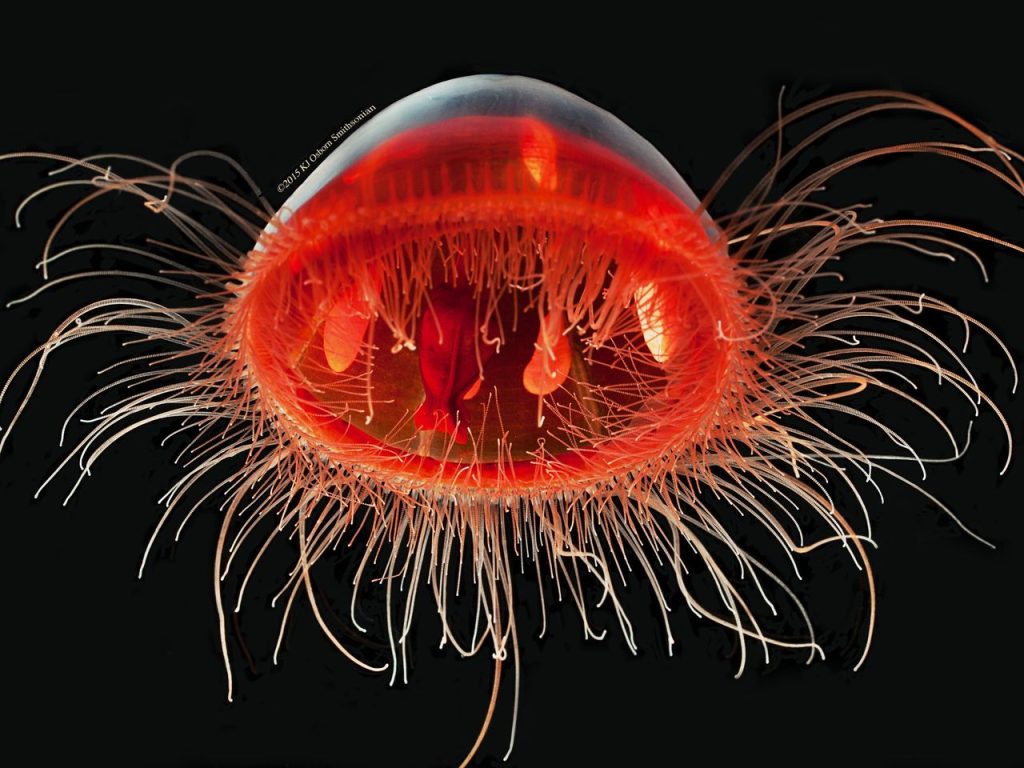
Equally mesmerizing are the unique behaviors exhibited by certain invertebrates. For instance, glow-in-the-dark jellyfish provide a serene visual spectacle in an aquarium setting, captivating viewers with their bioluminescence. Similarly, color-changing cuttlefish offer a stunning display of camouflage abilities, allowing them to blend seamlessly into their environment, intriguing both scientists and hobbyists alike. These behaviors not only enhance their entertainment value but also spark curiosity about adaptive evolution and survival strategies.
Beyond their aesthetic and behavioral appeal, invertebrates hold significant educational value. They serve as perfect examples for discussions about ecosystems, demonstrating the critical relationships between species. Keeping invertebrates can illuminate their roles in ecosystems, such as their contributions to pollination—with some species aiding in the fertilization of plants—and the maintenance of soil health through interactions with microorganisms. Furthermore, many invertebrates are essential as a food source for various wildlife, forming foundational links in food webs that support biodiversity.
As we explore the unique pet ownership experience within the domain of invertebrates, we gain invaluable insights into their environmental roles. Understanding how these fascinating creatures contribute to ecological balance not only deepens our appreciation for them but also encourages responsible ownership and conservation. By embracing invertebrate pets, individuals embark on a journey filled with discovery—from observing mesmerizing behaviors to learning about their ecological significance. These small wonders of the animal kingdom invite us to expand our horizons and connect with the intricacies of life on Earth.
Understanding the Care of Invertebrate Pets
Caring for invertebrate species as pets requires a specialized approach that differs markedly from the care typically associated with dogs, cats, or even small mammals. These intricate creatures often come with unique habitat and dietary requirements that can suit various lifestyles and levels of experience. For potential pet owners, comprehending care specifics is essential to maintaining healthy and thriving invertebrate companions.
Whether you’re considering a tarantula, hermit crab, or an octopus, here are some key care aspects to keep in mind:
- Habitat: Most invertebrates require specific environments that mimic their natural habitats. For example, a hermit crab needs a moist, terrarium-like environment with sand and hiding spots, while an octopus requires a secure aquarium with varied salinity and ample enrichment opportunities.
- Diet: Nutrition varies substantially across invertebrate species. Tarantulas typically thrive on live prey such as crickets, while cuttlefish feed on small aquatic creatures like shrimp or fish. Understanding their dietary needs is crucial for their health and longevity.
- Temperature and Humidity: Maintaining proper temperature and humidity levels is vital for many invertebrates. Specific temperature ranges, often found in their native habitats, must be replicated through heat sources or water management to prevent stress or health issues.
Moreover, the behavioral needs of invertebrates can be as unique as their care requirements. Observing a tarantula during feeding can offer thrilling insights into its hunting strategies, while watching the social interactions of hermit crabs as they change shells can foster a deeper understanding of their behavior. As a responsible pet owner, providing stimulation and enrichment is essential to keep these intelligent creatures engaged.
Curiosities That Spark Interest
Invertebrates are brimming with peculiar traits and adaptations that can pique the interest of anyone who enjoys the world of pets. For example, the octopus’s ability to change color not only serves as a defense mechanism but also plays a role in communication with its fellow cephalopods. Additionally, many species exhibit fascinating lifecycles; for instance, the metamorphosis of a butterfly from a caterpillar into a fully formed adult stands as a metaphor for transformation and renewal.
Another captivating curiosity is the bioluminescence found in creatures like certain jellyfish. This phenomenon not only enchants aquarium enthusiasts but also demonstrates the evolutionary adaptations that allow these animals to thrive in diverse oceanic environments. Such features are not only a demonstration of nature’s ingenuity but also serve as a bridge to learning about ecological principles and the intricate connections within ecosystems.
Overall, keeping invertebrate pets opens a gateway to exploration and discovery. Their captivating characteristics, paired with intricate care requirements, provide a uniquely enriching pet ownership experience that broadens our understanding of biodiversity. As pet owners delve into the roles of invertebrates, they are not only nurturing individual species but also engaging with broader ecological narratives, fostering an appreciation for the delicate balance of life on our planet.
The world of pets is diverse and expansive, capturing the imaginations of pet owners around the globe. Among the lesser-known yet increasingly popular pet choices are invertebrate species, such as spiders, snails, and crabs. These creatures not only add a unique twist to pet ownership but also present particular care needs that are crucial for their well-being.Invertebrates often require specialized environments that mimic their natural habitats. For example, a tarantula needs a warm, humid terrarium with appropriate substrates for burrowing, while hermit crabs thrive in a tank with both land and water areas. Understanding these requirements is essential for ensuring their health. Notably, many invertebrates have fascinating behaviors that can captivate owners and spark curiosity. For instance, a mantis shrimp’s complex vision allows it to see a broader spectrum of colors than humans, providing an insight into a world beyond our perception.Moreover, the environmental impacts associated with invertebrate species in pet ownership deserve attention. While they can serve as fascinating companions, many invertebrates contribute to ecosystem health. For instance, garden snails help decompose organic matter, aiding in nutrient cycling. However, pet owners should be cautious about sourcing invertebrates ethically to avoid contributing to ecological imbalances or the decline of native populations.The care of invertebrates extends beyond their physical needs; it also involves educating the public about their ecological roles and ensuring responsible ownership. Understanding these creatures not only enriches the owner’s experience but also promotes a broader appreciation of biodiversity. Invertebrate pets challenge conventional views on pet keeping and encourage enthusiasts to explore the intricate connections within ecosystems. In this context, it is essential to delve deeper into the wide-ranging implications of raising invertebrates as pets. Their unique attributes and contributions to the environment make them an engaging topic for those interested in expanding their pet horizons while also advocating for environmental stewardship.
Exploring Environmental Impacts of Invertebrate Species
Invertebrate pets might not bask in the limelight like their furry companions, but their role in the ecosystem is undeniably significant. As more pet enthusiasts turn to invertebrates, understanding their environmental impacts becomes crucial. These creatures not only enrich our lives but can also influence local and global ecosystems in various ways.
Firstly, the collection of invertebrate species has raised ecological concerns, particularly with species that are already vulnerable in their natural habitats. For example, the popularization of certain tarantulas and exotic snail species for pet trade has created a demand that can put pressure on wild populations. Responsible pet ownership advocates emphasize the importance of sourcing these pets from sustainable and ethical breeders rather than capturing them from their natural environments. It draws attention to the need for pet ownership to harmonize with conservation practices to protect fragile ecosystems.
Additionally, there is a growing movement branded as “invertebrate conservation,” focusing on enhancing public awareness about the vital roles these species play in maintaining ecological balance. Many invertebrates serve as key indicators of environmental health; their presence or absence can reflect the quality of their habitat. For instance, freshwater invertebrates like mayflies and stoneflies are essential for assessing water quality, as their life cycles are closely linked to the health of aquatic ecosystems.
Invertebrates also play a crucial role in food webs. They are often primary consumers that transfer energy from plants to animals higher up the food chain. For example, various species of crabs and shrimp are vital sources of nutrition for larger marine predators. By keeping invertebrate species as pets, owners contribute to raising awareness about these connections and the interdependence found within the natural world.
Invertebrates as Educational Tools
Many pet owners might not realize that their invertebrate companions can also serve as educational tools, fostering curiosity about the environment among younger generations. Simple observations of hermit crabs sharing shells or the predatory behaviors of mantises can offer valuable lessons on adaptation and survival. Engaging with these pets encourages discussions about biodiversity, ecology, and the importance of preserving habitats.
Schools and educational institutions have recognized the potential of invertebrates in science programs. For example, maintaining a tank of freshwater snails can help students understand water cycles, while a classroom aquarium housing marine invertebrates like anemones can spark interest in marine biology. Such experiences emphasize the necessity of caring for all living beings and underscore the interconnectedness of life forms on Earth.
By integrating invertebrate care and education into pet ownership, enthusiasts can enhance their understanding of the natural world while fostering a sense of responsibility toward environmental stewardship. As we embrace invertebrates as cherished pets, we simultaneously become ambassadors for conservation, bridging the gap between pet ownership and ecological awareness, thus encouraging a greener message in the tedious rhythm of modern life.
Conclusion: Embracing Invertebrates in Our Lives
The world of pets has long been dominated by mammals and birds, yet invertebrate species offer a unique and enriching experience for animal lovers. From the mesmerizing beauty of exotic butterflies to the captivating behaviors of tarantulas, these creatures encourage us to embrace a more diverse understanding of companionship. As we explore this intriguing realm, it becomes evident that invertebrates also play significant roles in our ecosystems, serving as indicators of environmental health and crucial players within food webs.
The responsibility of pet ownership extends beyond personal enjoyment; it involves making conscious choices that support the sustainability of species and the preservation of their habitats. Advocating for ethical sourcing and participating in invertebrate conservation efforts not only bolsters their populations but also raises awareness about the fragile ecosystems they inhabit. Thus, pet owners are not merely caring for individual animals but also participating in a larger narrative concerning conservation and ecological balance.
Moreover, as educational tools, invertebrates hold the potential to inspire curiosity about nature among young and old alike. Their intricate life cycles and unique survival strategies can spark vital discussions about biodiversity and conservation, urging society to respect all forms of life. By integrating invertebrate care with environmental education, we foster a deeper appreciation for our natural world and prepare future generations to advocate for its care.
In summary, as we welcome invertebrates into our homes, we not only diversify the pet landscape but also facilitate an important dialogue about our connection to the Earth. Their presence invites us to regard the interplay of life in our ecosystems and underscores the importance of stewardship as we navigate our modern world. Embracing these fascinating creatures is a call to action for pet owners and nature enthusiasts alike—one that we should heed for the benefit of the environment and humanity’s shared future.