Tips for Creating a Healthy Environment for Pets at Home
Enhancing Your Pet’s Living Environment
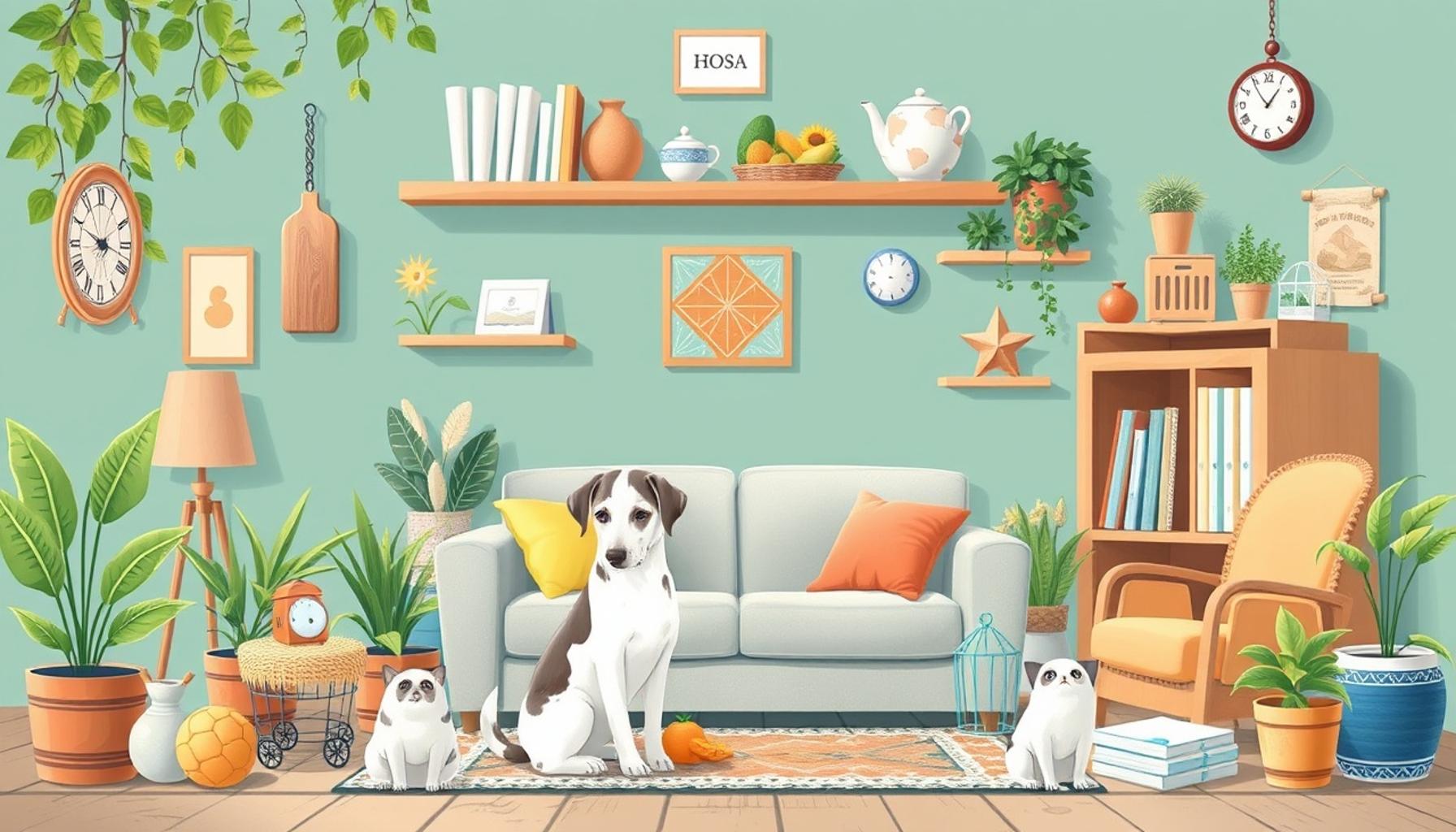
Creating a supportive and healthy environment for your pets can significantly enhance their well-being and happiness. As pet owners, it is our responsibility to ensure that our furry friends live in a space that promotes their health and safety. With so many factors influencing their quality of life, taking the time to invest in their environment is crucial for both their physical and emotional well-being.
Fostering Good Air Quality
Air quality is one of the most critical elements for maintaining your pet’s health. Poor air quality can lead to respiratory issues not only in humans but also in pets. Regularly ventilate your home by opening windows when weather permits, and consider using high-efficiency particulate air (HEPA) filters or air purifiers designed specifically for pet owners. These devices can help reduce dander, dust, and other allergens circulating in the air, making it easier for pets with sensitivities to breathe comfortably.
Establishing Safe Spaces
Designating safe spaces within your home where your pets can retreat to feel secure is just as important. Having a specific area with their bed, toys, and blankets offers them a haven away from daily stresses. This is especially crucial for animals prone to anxiety or those trembling during thunderstorms. Creating a peaceful environment with calming noises, such as soft music, can further reduce stress and foster a feeling of safety amongst your furry companions.
Creating Hazard-Free Zones
Pet-proofing your home is an essential aspect of your pet’s safety. Removing toxic plants, chemicals, and sharp objects from your pet’s reach can significantly reduce the risk of accidents. Common household items, like certain types of lilies, chocolate, and cleaning supplies, can be harmful or even fatal to pets. Familiarize yourself with these dangers and create designated areas in your home that are pet-proof.
Regular Maintenance and Health Monitoring
Many pet owners often overlook simple adjustments that can enhance their pets’ environment. For instance, regular cleaning is essential as pet hair and dander can accumulate quickly and trigger allergies. Using vacuum cleaners equipped with HEPA filters can further substantially reduce allergens in your home. Alongside maintaining cleanliness, providing a balanced diet tailored to your pet’s specific needs supports their overall health. Consult your veterinarian for guidance on the best nutritional choices for your furry friends.
Emotional Well-Being Through Socialization and Activity
Physical health is not the only component that contributes to the happiness of pets. Ensuring proper socialization with other pets and humans is vital to reducing anxiety and promoting behavior that allows for a happy social life. Frequent visits to the dog park or planned playdates can work wonders.
In addition, exercise must be part of their daily routine. Activities tailored to your pet’s breed, age, and energy level can help maintain a healthy lifestyle. Daily walks, interactive playtime, or even agility training can be beneficial. For instance, a Labrador Retriever may enjoy fetching a frisbee while a senior cat might prefer laser pointer play sessions.
Lastly, do not underestimate the importance of grooming. Regular grooming not only helps maintain skin health but also serves as a great bonding experience between owner and pet. Consider setting aside time every week for brushing, bathing, and even nail trimming.
Conclusion
By focusing on these various elements, you can cultivate a nurturing environment that supports both your pet’s physical and emotional well-being. Whether you’re a long-time pet owner or a new guardian, these practical tips can undoubtedly make a world of difference in your companion’s life. Remember, a happy pet often translates to a happy home!
Important Elements for a Healthy Home Environment
When considering how to create a healthy environment for pets at home, it’s essential to dive deeper into the aspects that truly affect their quality of life. No matter the size or breed of your pet, there are universal strategies that can improve their living conditions, promote comfort, and boost overall health.
The Role of Nutrition
Nutrition plays a pivotal role in the health of your pet. A balanced diet not only supports a strong immune system but also helps maintain a healthy weight, which is crucial for preventing diabetes, arthritis, and other health concerns. It’s important to choose high-quality pet food that meets the nutritional needs of your specific animal type. Factors to consider when selecting food include:
- Age: Puppies and kittens require different nutrition compared to adult and senior pets.
- Size: Larger breeds may need different formulas than smaller breeds to support their joint health.
- Activity Level: Active or working dogs may benefit from higher protein content.
- Health Conditions: For pets with specific health issues, consulting a veterinarian about specialized diets is essential.
Regularly reassessing your pet’s diet as they age ensures they receive the proper nutrients tailored to their changing needs. Always remember that treats, while enjoyable, should be given in moderation to prevent obesity.
Temperature Control and Comfort
The temperature of your home can greatly impact your pet’s comfort. Most pets prefer a moderate climate, so it’s vital to maintain comfortable indoor temperatures during extreme weather conditions. For example:
- Summer: Ensure your pet has access to cool areas in the house, such as shaded spots or air-conditioned rooms. Never leave pets in hot vehicles, as it can lead to heatstroke.
- Winter: Provide warm bedding and consider using heating pads or blankets for older pets who may feel the chill more acutely.
Ultimately, observing your pet’s behavior can offer significant insights into their comfort levels regarding temperature. Do they seek warmer spots during wintertime, or lie on cool surfaces during scorching summer days? These behaviors can guide you in making further adjustments.
Maintaining Mental Stimulation
Another essential component of nurturing a healthy environment is through mental stimulation. Pets, like dogs and cats, require activities that engage their minds and prevent boredom. Lack of stimulation can lead to destructive behaviors and anxiety. So, consider the following methods to keep your pet’s mind sharp:
- Interactive Toys: Invest in puzzle toys that reward pets for problem-solving.
- Training Sessions: Regularly practicing commands and tricks keeps their minds engaged and strengthens your bond.
- Scent Games: Hide treats around the house to encourage your pet to use their nose.
By incorporating these engaging activities, you not only keep their brains active but also enhance their overall happiness and health.
Creating an environment conducive to your pet’s physical and mental well-being requires thoughtful consideration of various factors, from nutrition and temperature control to mental stimulation. Each aspect plays a vital role in ensuring that furry family members lead fulfilling lives. In the journey to cultivate a healthy home for your pets, understanding how these elements interact can significantly boost their joy and health.
| Category | Description |
|---|---|
| Safe Spaces | Create sections in your home where pets can feel secure. |
| Healthy Diet | Provide balanced nutrition tailored to your pet’s specific needs. |
| Regular Exercise | Ensure pets receive daily physical activity for their health. |
| Social Interaction | Engage with your pets to boost their mental well-being. |
When creating a healthy environment for your pets at home, the idea of establishing safe spaces is paramount. Designate specific areas that offer comfort, warmth, and security for your furry friends. This may include cozy beds, quiet corners, or even pet gates to create boundaries within the household.Equally important is maintaining a healthy diet. Research indicates that a well-balanced, species-appropriate diet plays a crucial role in a pet’s longevity and health. Consult with a veterinarian to ensure you select the most suitable food, considering any specific dietary requirements your pet may have.Moreover, incorporating regular exercise into your pet’s routine contributes significantly to their overall health. Engaging in activities like walks, playtime, or agility training not only enhances their physical fitness but also strengthens the bond between you and your pet.Lastly, fostering social interaction is vital to their emotional well-being. Make time to play, train, or simply spend quality time together to encourage a happy and fulfilled pet.
Environmental Factors Influencing Pet Health
In the quest to create a healthy environment for pets at home, it’s imperative to consider environmental factors that can either enhance or hinder their well-being. From the types of cleaning products used to the furnishings in your home, everything can impact their health and comfort.
The Importance of Clean Air
Air quality is often overlooked but plays a significant role in your pet’s health. Just like humans, pets can be affected by pollutants, allergens, and irritants present in the air. Here are some ways to improve indoor air quality:
- Ventilation: Ensure proper ventilation by frequently opening windows to allow fresh air to circulate. Good airflow helps reduce pet odors and disperses allergens.
- Air Purifiers: Investing in a high-quality air purifier can help eliminate dust, dander, and airborne pollutants, creating a cleaner environment for both pets and humans.
- Houseplants: Certain indoor plants, such as spider plants and Boston ferns, can naturally purify the air. However, ensure that the plants you choose are non-toxic to pets.
Monitoring humidity levels is also crucial, as excessively dry or humid conditions can cause respiratory issues. Aim for a relative humidity level between 30-50% for optimal comfort.
Safe and Functional Living Spaces
Creating pet-friendly spaces within your home is essential for your pet’s safety and comfort. Pay attention to how furniture and layout can affect their daily lives:
- Paw-safe Materials: Opt for furniture and flooring materials that are durable and easy to clean. Avoid items that can easily be scratched or chewed, as they may pose choking hazards.
- Designated Areas: Establish specific areas for play, eating, and sleeping. Consider a cozy corner filled with a bed and their favorite toys, providing a secure retreat.
- Accessibility: Make sure pets can easily access food and water bowls. Elevated or difficult-to-reach locations can lead to anxiety and frustration.
By creating dedicated spaces, your pets will feel more at home and comfortable, reducing stress and encouraging specific behaviors, such as eating or resting.
Hygiene Practices for Healthier Pets
Maintaining a high standard of hygiene is vital for preventing illness and ensuring your pets thrive. Regular cleaning routines not only extend to pet toys and bedding but also the areas they frequent:
- Routine Cleaning: Establish a regular schedule for cleaning up pet hair, dander, and waste. This not only keeps your living spaces neat but also minimizes potential allergens.
- Grooming: Regular grooming sessions are important not just for aesthetics, but also for skin health. Brushing reduces shedding and prevents matting, while bathing helps remove dirt and allergens that may adhere to their fur.
- Safe Cleaning Products: Many cleaning supplies contain harsh chemicals that can be harmful to pets. It’s wise to use pet-safe or natural cleaning products whenever possible, reducing toxins in their environment.
Incorporating these hygiene practices into your home routine not only promotes a cleaner environment but also helps prevent health issues, ensuring that your furry friends remain happy and healthy.
As you strive to develop a healthy environment for your pets, pay close attention to air quality, living spaces, and hygiene practices. These aspects, when carefully managed, will foster a nurturing atmosphere that benefits both your pets and the entire household.
Conclusion: Cultivating a Safe Haven for Pets
Creating a healthy environment for pets at home is an essential aspect of responsible pet ownership that significantly influences their overall well-being and happiness. By focusing on improving indoor air quality, designing pet-friendly living spaces, and maintaining rigorous hygiene practices, pet owners can ensure their furry companions thrive in a safe and supportive atmosphere.
As you integrate changes into your home, remember the profound impact that even small adjustments can make. For instance, implementing regular air purifying routines and choosing non-toxic cleaning supplies can greatly contribute to a healthier indoor environment. Additionally, thoughtfully designed spaces will promote comfort and security, allowing pets to feel more at ease in their surroundings.
Moreover, investing the time and effort into routine grooming and cleaning can prevent health issues and increase the bond between you and your pet. Providing a clean, safe, and engaging environment enhances their overall quality of life while ultimately leading to a more harmonious household.
As you embark on this journey of enhancing your home for your beloved pets, consider the roles of creativity, dedication, and a little research into safe materials and practices. The love and attention you invest will not only transform your home into a sanctuary for your pets but also enrich the joys of companionship that come with pet ownership. Stay proactive, continue to explore new methods, and never hesitate to seek professional advice when needed, ensuring that your pets lead happy, healthy lives.