Tips for Training Your Pet to Be Comfortable with Grooming
Introducing grooming to your pet can be quite a challenge, but it doesn’t have to be. With the right techniques and a bit of patience, you can help your furry friend feel at ease during grooming sessions. Here are some key points to consider:
Understand Your Pet’s Needs
Every pet is unique, and understanding their specific temperament is crucial. Recognizing individual differences can significantly enhance the grooming experience. Factors to consider include:
- Breed: Different breeds have varying grooming requirements. For example, breeds like Poodles and Maltese need regular grooming to prevent matting, while short-haired breeds such as Beagles may need only occasional brushing and a bath.
- Age: Younger pets may be more adaptable to new experiences, but they also require consistent exposure to grooming tools, which helps them become accustomed to touch and handling. Older pets may have sensitivities, so a gentle approach is important.
- Previous Experiences: A pet’s past experiences can significantly shape their current behavior. If a dog was previously mishandled during grooming, this might create anxiety. Identifying these factors can help tailor your approach.
Make Grooming a Positive Experience
Creating a pleasant atmosphere during grooming sessions is key. Taking small steps to ensure your pet feels safe and secure can lead to a more cooperative attitude. Here are ways to enhance the experience:
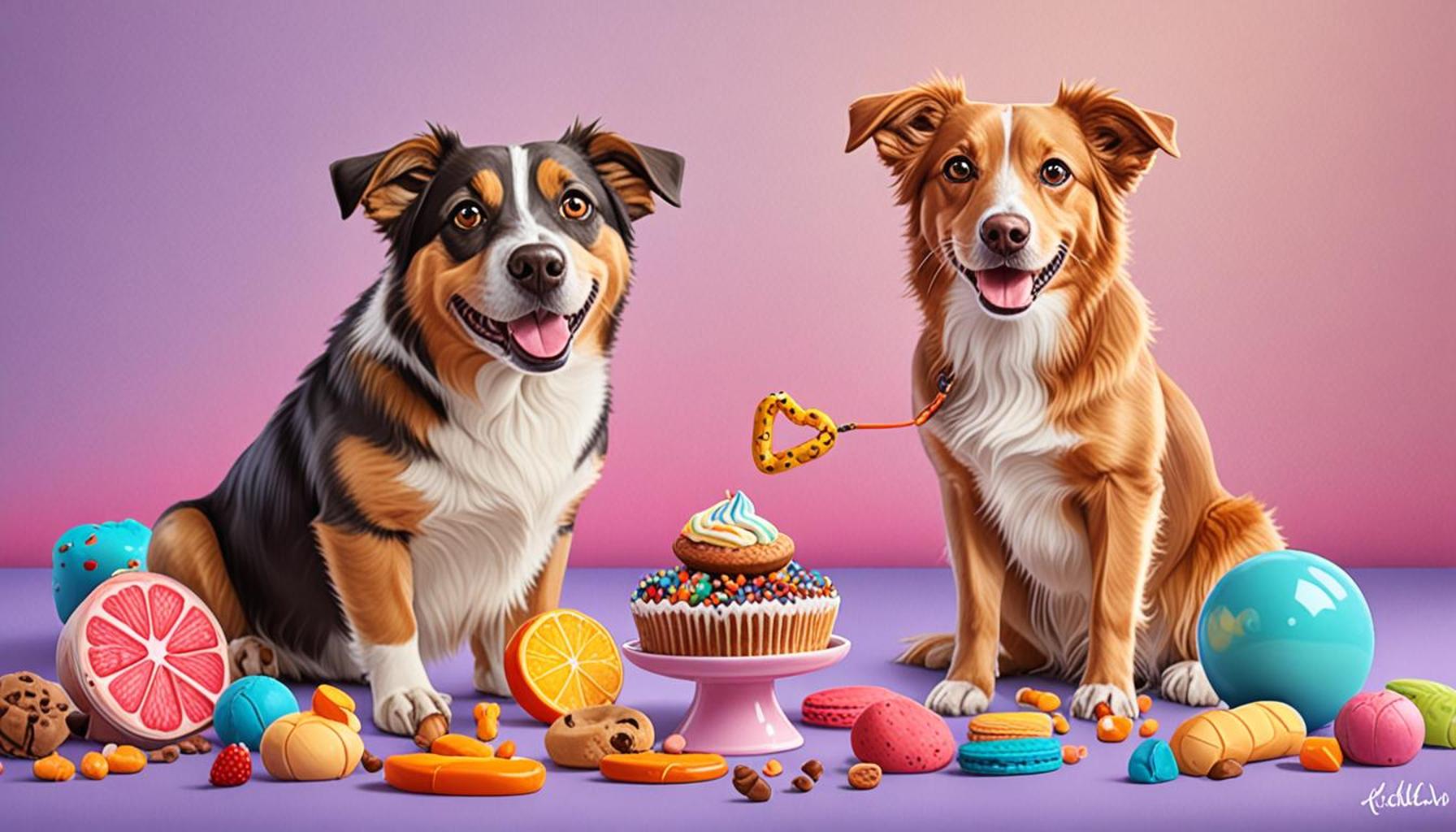
- Use treats and praise to encourage positive reinforcement. For instance, offering a small treat after each grooming session can help your pet associate grooming with a reward.
- Start with short sessions and gradually increase the duration. Initially, aim for five to ten minutes to avoid overwhelming your pet. As they become more comfortable, you can extend the sessions.
- Incorporate fun breaks to reduce stress. Utilize toys or playtime as a reward after grooming, giving your pet something to look forward to and relieving any tension.
Learning the right grooming techniques will not only help your pet feel comfortable but will also make the process easier for you. As you grow more attuned to your pet’s reactions and preferences, you can discover new grooming methods that suit them best.
By following these strategies, you can turn grooming into a bonding experience, fostering trust and relaxation between you and your pet. In the long run, both you and your pet will benefit from these moments spent together, transforming a once-stressful task into a cherished routine. Remember, patience and consistency are your best allies in this journey, ensuring a happier, healthier pet.
READ MORE: Click here for essential tips
Introduce Grooming Tools Gradually
When it comes to grooming, familiarizing your pet with grooming tools can significantly ease anxiety. Just like humans, pets can be wary of new objects, especially those that make noise or involve physical contact. To create a positive association with grooming, consider the following:
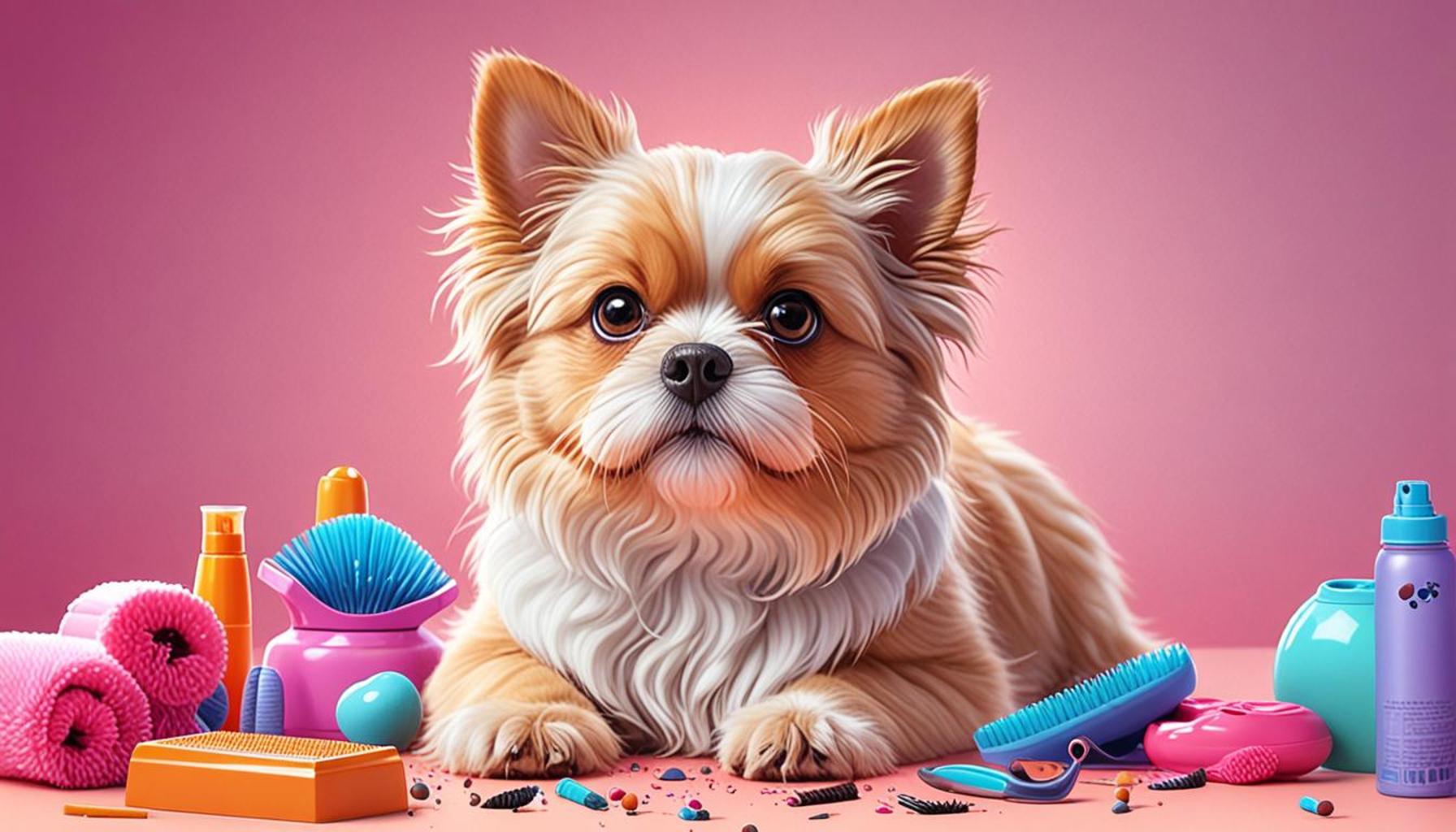
- Choose the Right Tools: Start with grooming tools that are appropriate for your pet’s coat type and sensitivity. For example, a soft-bristle brush may be more suitable for a shy cat, while a slicker brush works well for dogs with thicker fur. The right tools can minimize discomfort and make the grooming process enjoyable.
- Let Your Pet Explore: Before diving into a grooming session, allow your pet to investigate the tools. Place the brush on the floor and encourage them to sniff it. Supporting a sense of curiosity can lessen their apprehension, transforming tools from potentially menacing objects into familiar playthings.
- Desensitize Gradually: Before you start grooming, get your pet used to the sensation of being brushed or clipped. Gently stroke them with the brush without using the bristles initially to simulate the motion of grooming. This gradual introduction helps them become accustomed to being handled without the stress of the tools themselves.
Establish a Routine
Just like any other activity, consistency is key when it comes to making grooming a comfortable experience. Establishing a regular grooming schedule will condition your pet to expect and accept grooming as part of their routine. Here are some tips to keep in mind:
- Choose a Specific Time: Find a time that works best for both you and your pet. Whether it’s after a walk or during a quiet afternoon, having a designated “grooming time” helps your pet understand when to expect it.
- Go at Their Pace: Allow your pet to acclimate to the grooming routine. If they appear stressed or uncomfortable, take a step back and simplify the process. Gradually build their confidence over time by breaking down the grooming into smaller, manageable segments.
- Stay Calm and Positive: Animals are incredibly perceptive to their owner’s emotions. Maintaining a calm and positive demeanor can help soothe your pet’s nerves. Speak in a gentle voice and offer reassurance throughout the grooming process to create a low-stress environment.
Understanding the importance of gradual exposure and routine is essential in helping your pet become more at ease with grooming. These foundations pave the way for a seamless grooming experience, turning an essential chore into a delightful bonding opportunity. Ultimately, by creating a comfortable environment and routine, you can transform your pet’s perception of grooming, leading to a happier, more relaxed companion.
Tips for Training Your Pet to Be Comfortable with Grooming
Training your pet to be comfortable with grooming is not only beneficial for their appearance but also essential for their overall health and well-being. Let’s explore effective strategies that can ease the grooming experience for both you and your furry companion.
| Category | Details |
|---|---|
| Gradual Introduction | Start with short sessions, gradually increasing duration. Make it a positive experience. |
| Positive Reinforcement | Use treats and praise to reward your pet after each grooming session, reinforcing good behavior. |
| Familiarize with Tools | Introduce grooming tools like brushes and clippers in a non-threatening manner to reduce fear. |
| Create a Routine | Establish a flexible grooming schedule. Consistency helps your pet anticipate and feel comfortable. |
| Stay Calm | Your demeanor impacts your pet; a calm and reassuring approach creates a relaxed atmosphere. |
Implementing these tips not only enhances your pet’s grooming experience but also builds trust between you and your furry friend. Investing patience and creativity in this process can result in a well-groomed pet who feels secure during grooming sessions.
CHECK OUT: Click here to find the best hypoallergenic dog breeds
Incorporate Positive Reinforcement
One of the most effective ways to train your pet to be comfortable with grooming is by utilizing positive reinforcement techniques. Reinforcing desirable behaviors with rewards can transform the grooming experience into a positive one for your furry friend. Here are some strategies to employ:
- Use Treats Wisely: Treats act as a powerful incentive. Every time your pet remains calm during grooming, offer a small treat. Gradually increase the duration of grooming sessions before giving a treat, ensuring your pet associates grooming with positive experiences. Just make sure to choose healthy treats to avoid overindulging them.
- Offer Praise and Affection: Alongside treats, verbal praise is crucial. Use a cheerful tone and encouraging phrases, like “good boy” or “you’re doing great!” These positive affirmations can go a long way in boosting your pet’s confidence and comfort level.
- Gradual Progress: If your pet shows resistance, break down the grooming process. Start with a simple and less intimidating task—like brushing for just a few minutes—and reward them immediately afterward. Gradually increase the complexity and duration of grooming tasks as your pet grows more comfortable.
Create a Calm Grooming Environment
The environment where grooming takes place can significantly influence your pet’s comfort level. A serene and stress-free setting can help mitigate anxiety. Consider these suggestions:
- Designate a Quiet Space: Choose a specific area that is quiet and free from distractions. A familiar spot, such as your living room or a designated grooming space, can provide a comforting atmosphere for your pet.
- Use Calming Aids: Play soft music or use pheromone diffusers designed for pets that can create a soothing atmosphere. These can help reduce anxiety and create a more relaxing grooming experience.
- Ensure Proper Grooming Safety: Make sure the grooming surface is secure and comfortable—avoid slippery areas and work on a non-slip mat if possible. Ensuring your pet feels stable will help keep them calm and focused during grooming.
Monitor Grooming Duration and Frequency
The length and frequency of grooming sessions can have a profound impact on your pet’s attitude toward grooming. Ensuring these sessions are manageable can foster greater comfort. Here’s how to strike a balance:
- Short Sessions: For pets that are particularly anxious, keep grooming sessions short—ideally between 5 to 10 minutes initially. This reduces stress and allows your pet to acclimate gradually. As they become more accustomed, you can slowly extend these durations.
- Regular Grooming Schedule: Regularly scheduled grooming can maintain your pet’s comfort and coat health. Whether it’s daily brushing or weekly baths, consistency helps your pet recognize grooming as a routine part of life. It can also mitigate larger grooming jobs down the line, making the overall process smoother.
By integrating positive reinforcement, creating a calming environment, and carefully monitoring grooming sessions, you can further enhance your pet’s comfort with grooming. These strategies ensure that grooming becomes a bonding experience instead of a point of stress, allowing your pet to embrace the process with excitement rather than anxiety.
DON’T MISS OUT: Click here for essential pet adoption resources
Final Thoughts on Grooming Comfort for Your Pet
Training your pet to be comfortable with grooming can significantly improve their overall well-being and enhance your bond with them. By employing techniques such as positive reinforcement, creating a calming environment, and monitoring the duration and frequency of grooming sessions, you lay the groundwork for a stress-free experience. Understanding your pet’s body language during grooming is also crucial, as it helps you identify signs of anxiety or discomfort, allowing you to adjust your approach accordingly.
Moreover, remember that patience is key. Every pet is unique, and what works for one may not apply to another. Be prepared to adapt your methods, celebrating small victories while continuously promoting a relaxed state during grooming. Furthermore, regular grooming not only keeps your pet looking their best but also can be an essential aspect of their health, helping you catch any unusual lumps or skin irritations early.
As you implement these techniques, consider seeking professional help if needed. Pet grooming professionals can offer guidance and help reinforce your at-home efforts. Ultimately, ensuring your pet feels safe and comfortable during grooming will transform it from a dreaded chore into an enjoyable routine. With consistent positive interactions, you’ll foster a sense of trust and cooperation that benefits both you and your furry friend.