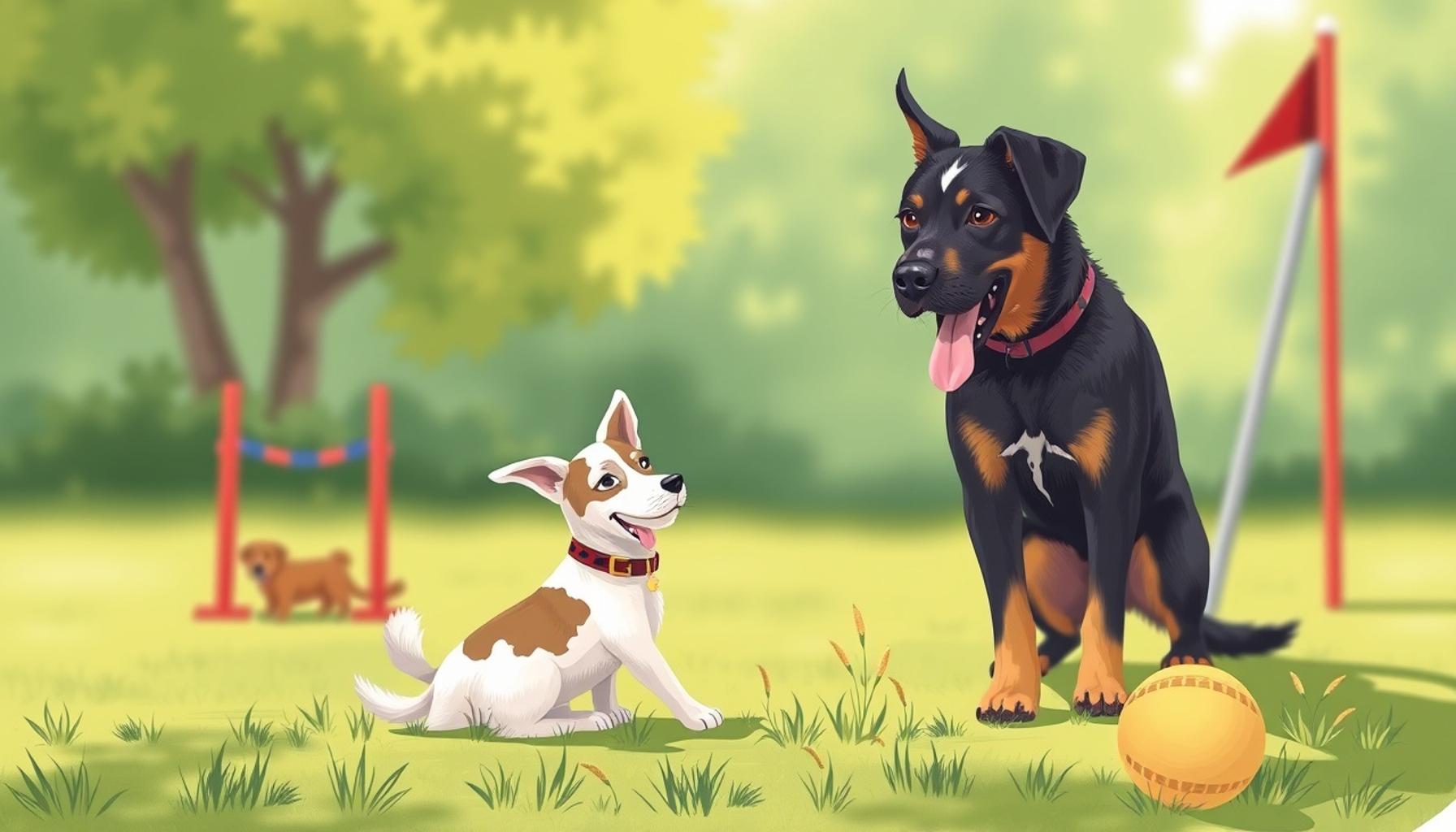
Training Older Pets: Strategies for Success and Patience

Understanding the Challenge of Training Older Pets
Training older pets can be a rewarding yet complex journey. Their unique behaviors and habits often require specific strategies that differ from training younger animals. As owners, embracing patience is key to achieving successful outcomes. While seniors might not have the same enthusiasm as younger pets, their wisdom and life experience offer a different kind of potential.
Why Consider Training Older Pets?
Despite their age, older pets can learn new skills and adapt to changes around them. Training is not just for puppies and kittens; senior pets deserve the opportunity to learn and grow as well. Here are some compelling reasons to invest time in their training:
- Improved Quality of Life: Learning new commands can play a crucial role in enhancing their daily routine. For instance, teaching an older dog commands like “sit” or “stay” can help in managing their behavior during walks, making outings more enjoyable for both the pet and the owner.
- Strengthened Bond: Training fosters a deeper connection between owner and pet. Engaging in training sessions can serve as quality time, helping to build trust and mutual understanding. For example, teaching an older cat to respond to a clicker can turn training into a fun game that solidifies your relationship.
- Behavioral Adjustment: Older pets can develop better manners and reduced anxiety. Many senior dogs that face separation anxiety can benefit from learning commands that keep them occupied and calm while their owners are away, ultimately leading to a more peaceful household.
While the journey may be different, it is essential to consider the unique attributes of senior pets. Factors such as their experience, established behaviors, and even health conditions can play pivotal roles in how you approach training. For example, some older pets may have mobility issues, necessitating adjustments to training techniques and environments to accommodate their needs.
Patience is Essential
For successful training of older pets, patience is indispensable. Acknowledging that these pets may need more time to process new information can make a significant difference. Here are some key points to remember:
- Progress May Be Slow: Unlike younger pets, who may catch on quickly, older pets may take longer to learn new commands. Celebrate small victories along the way, and be prepared for gradual improvement. For instance, if your senior dog takes a few weeks to learn “come,” celebrate each time they respond correctly, no matter how long it takes.
- Positive Reinforcement Works: Use treats, affection, and praise to encourage desired behaviors. The power of positivity cannot be overstated. For instance, if your older cat learns to traverse a new obstacle course, rewarding them can reinforce their bravery and curiosity, motivating them to try again.
- Consistency is Key: Regular practice helps solidify learning and understanding. Establish a routine that incorporates short training sessions. Even just five minutes a few times a week can lead to progress, so don’t underestimate these small bursts of activity.
Embarking on this training adventure can be both challenging and gratifying. With the right mindset and methodologies, you can help your older companion thrive in their golden years, ensuring they enjoy each moment to the fullest. By cherishing the journey and adapting to their rhythm, you pave the way for a more harmonious and joyous life together.
Adapting Techniques for Older Pets
Training older pets requires a keen understanding of their unique needs and circumstances. Unlike younger pets, older animals come with established habits and potentially varying degrees of physical limitations. This means that the training techniques and methods employed must be tailored thoughtfully to ensure that they are effective and feasible. Here are some strategies that can make the training process smoother and more effective:
- Assess Physical Abilities: Before starting any training regimen, it’s important to consider your pet’s physical condition. Some senior pets may experience joint issues or limited mobility, which could influence their ability to perform certain commands or movements. For instance, a dog with arthritis may find it painful to sit for extended periods, while an elderly cat may struggle with jumping onto high surfaces. Modifying the training exercises to suit their physical capabilities can both enhance learning and prevent any discomfort.
- Short Sessions with Frequent Breaks: The attention span of older pets may not be as sharp as that of younger ones. For this reason, it’s advisable to conduct shorter training sessions—typically between five to ten minutes—while allowing ample breaks. These brief intervals can help maintain your pet’s interest and ensure they do not become overwhelmed or fatigued.
- Utilize Familiar Environments: Older pets often feel more comfortable in familiar settings. Training in a space where they feel safe—such as their home or a familiar yard—can help reduce anxiety and make the learning process more enjoyable. This secure environment allows them to focus more on learning as opposed to adjusting to an unfamiliar space.
- Incorporate Their Interests: Tailoring training activities to include your pet’s favorite toys or treats can significantly enhance motivation. For instance, if your senior dog is particularly fond of a specific type of snack, using that treat as a reward for successful commands can make the process more enticing. Additionally, involving activities they already enjoy—such as fetching a soft ball—while introducing new commands can create a fun and engaging experience.
It’s essential to understand that every pet is an individual, and their previous experiences, breed characteristics, and health statuses can influence how they respond to training. A once-stubborn dog might have matured into a sweet and patient companion, while an older cat may have developed a heightened sense of independence. Keeping these factors in mind allows you to approach training with empathy and flexibility.
Utilizing Technology and Resources
In today’s digital age, pet owners have access to a wealth of resources that can assist in training older pets. Online tutorials and training courses specifically tailored for senior animals can offer valuable insights and techniques. Apps for pet training can also serve as reminders for daily sessions, while training games can stimulate your pet mentally without the physical strain of extensive exercise. Take advantage of these tools to deepen your understanding and effectiveness in training your beloved senior companion.
By being adaptive and resourceful, training older pets can be transformed from a daunting task into a fulfilling and enjoyable experience, paving the way for a harmonious relationship filled with mutual respect and affection.
Exploring Effective Strategies for Training Older Pets
When it comes to training older pets, understanding their unique behavioral traits is vital. Older animals may have physical limitations and ingrained habits that can make training challenging, but with the right approach, it is entirely feasible to teach new tricks and reinforce desirable behaviors. Here are some effective strategies that can facilitate a smoother training experience:
Utilize Positive Reinforcement
One of the most effective techniques is positive reinforcement. Rewarding your pet with treats, praise, or extra playtime can encourage desired behaviors. This method not only builds trust between you and your older pet but also promotes a positive atmosphere for learning. Remember, the key is consistency; rewarding immediately after the desired behavior helps reinforce that action.
Short, Engaging Sessions
Older pets may become easily fatigued or lose interest quickly. Keeping training sessions short – ideally 5 to 10 minutes – maintains their focus and enthusiasm. Incorporate breaks and ensure that the exercises remain fun. This not only enhances their attention span but reduces the stress that older pets may experience during training.
Modify Exercises for Physical Limitations
Always consider your pet’s physical capabilities. Some older pets might struggle with commands that require agility or stamina. Adjust your training exercises to fit their needs, opting for gentle movements and low-impact activities. For instance, if your dog has trouble with jumping, simple commands like “sit” or “lay down” can be effective alternatives.
Patience is Key
One of the most critical elements in training older pets is patience. Older pets may take longer to learn new commands due to cognitive decline or stubbornness. Understand that every pet learns at their own pace, and maintaining a calm demeanor will create a safe space for them to thrive. By applying these critical strategies, pet owners can enhance their training experience while fostering a deeper bond with their older companions.
| Strategy | Advantages |
|---|---|
| Positive Reinforcement | Builds trust and encourages good behavior |
| Short Training Sessions | Keeps pets attentive and reduces stress |
| Exercise Modification | Caters to physical limitations, ensuring inclusivity |
| Patience | Allows for a comfort zone, promoting effective learning |
These insights into training older pets can make a world of difference. By embracing these tailored methods, you’ll not only enhance your pet’s quality of life but also create a wonderfully enriching bond that both of you can cherish.
Patience and Positive Reinforcement
When it comes to training older pets, one of the essential elements that cannot be overstated is the importance of patience. Unlike their younger counterparts, older animals may take a bit longer to grasp new commands or adapt to new routines. This slower learning process can be attributed to various factors, including cognitive decline, physical discomfort, or simply a more established way of doing things. Pet owners must recognize that patience is not merely a virtue but a necessity for a positive training experience.
Another cornerstone of successful training is positive reinforcement. This method not only enhances the bond between pet and owner but also makes the learning process an enjoyable one. Rewarding your senior pet with treats, affection, or even preferred playtime when they successfully perform a command encourages them to repeat the behavior. This is particularly significant for older pets who may have doubts about their abilities; positive reinforcement can build self-esteem and motivate them to engage more actively in training.
Understanding Behavioral Changes
As pets age, behavioral changes can also arise. Conditions such as cognitive dysfunction syndrome (CDS), comparable to Alzheimer’s disease in humans, can affect an older pet’s memory, awareness, and comprehension. These changes can influence their ability to learn and follow commands, necessitating a more tailored approach to training. For pet owners, familiarizing themselves with the signs of cognitive dysfunction can be a game changer. Behaviors such as disorientation, disrupted sleep patterns, and changes in how they interact with family members could indicate cognitive decline. Adjusting training techniques to accommodate these shifts—such as incorporating routine and minimizing distractions—can yield better results.
Socialization and Routine
A well-rounded training regimen for older pets should include a focus on socialization as well as routine. Many senior dogs and cats can become set in their ways, showing resistance to new experiences or environments. Gradual exposure to different people, animals, and settings can help alleviate anxiety and foster confidence in your senior pet. Incorporating social outings—like leisurely walks in the neighborhood or visits to pet-friendly cafes—opportunities for socialization can be both enriching and enlightening for pets.
Additionally, establishing a consistent daily routine further assists older pets in transitioning into the training process. Feeding, walks, and playtime should happen at the same time each day to create a sense of structure. This not only helps in building trust but also makes it easier for them to understand what to expect, which can significantly reduce their stress levels.
Networking with Professionals
Sometimes, training older pets can pose challenges that may go beyond the capabilities of the average owner. Engaging with professionals, such as veterinary behaviorists, certified dog trainers specializing in senior animals, or animal behavior consultants, can provide tailored strategies and insights. These experts can assess your pet’s needs, help you understand behavioral cues, and suggest personalized training protocols that respect their limitations while promoting growth and improvement.
Incorporating these tailored strategies and professional insights ensures that the experience of training older pets is not only productive but also fosters lasting bonds between you and your furry companions. As pet parents, embracing a flexible approach while prioritizing your pet’s comfort can transform challenges into opportunities for joy and connection.
Conclusion
Training older pets can be a deeply rewarding journey that significantly enhances the quality of life for both the animal and its owner. As we have discussed, adopting a mindset of patience is paramount. Recognizing that our senior companions may require more time to absorb new commands is a foundational aspect of effective training. This approach leads to a more positive experience, ensuring that learning becomes a bond-strengthening activity rather than a source of frustration.
Moreover, the use of positive reinforcement not only boosts your pet’s confidence but also solidifies the trust between you and your furry friend. Every success, no matter how small, deserves acknowledgment and praise, reinforcing their willingness to engage further in the learning process. Alongside these methods, understanding possible behavioral changes associated with aging, such as cognitive decline, allows pet owners to tailor their training methods effectively.
Incorporating a steady routine and fostering social interactions can help older pets adapt more easily to training, which can lead to a happier and more fulfilled life. Lastly, don’t hesitate to seek guidance from professionals who specialize in elderly animal behavior to equip yourself with additional strategies.
Overall, embracing these strategies offers a new perspective on training—it’s not just about commands and tricks; it’s about creating a nurturing, supportive environment that celebrates the unique capabilities of your older pet. With time, love, and dedication, both you and your pet can thrive together, turning the training process into an enriching experience filled with joy and discovery.