Understanding the Specific Needs of Less Common Species of Reptiles as Pets
Exploring the Excitement of Uncommon Reptile Ownership
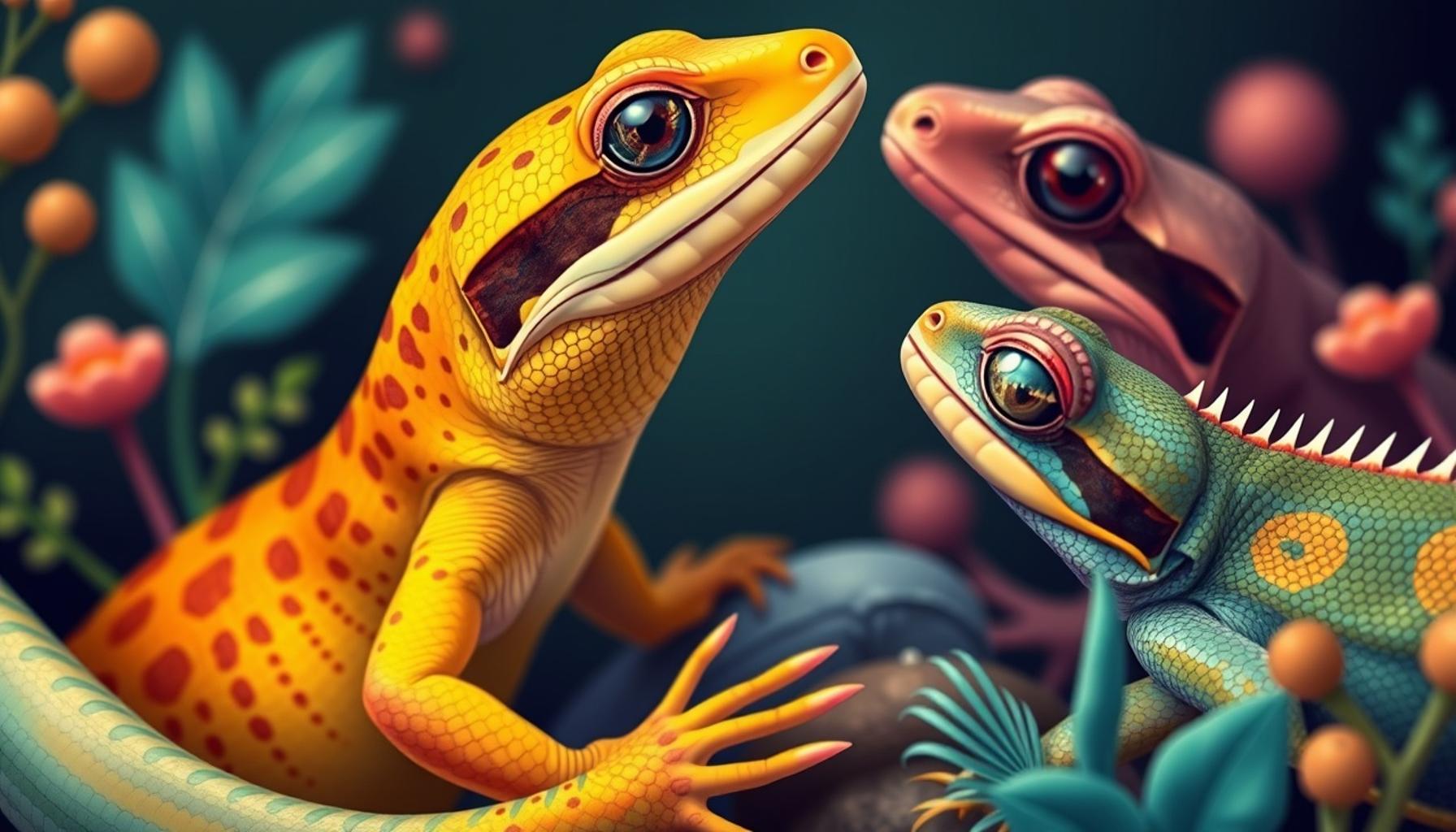
Owning a pet reptile can truly be an exhilarating journey, especially when one ventures beyond the common varieties. Not only do these less common species offer fascinating traits and behaviors, but they also serve as an invitation to deepen one’s knowledge of herpetology—the study of reptiles and amphibians. However, with this excitement comes the responsibility of catering to their specific needs, which can be markedly different from more typical pet choices like ball pythons or bearded dragons.
To truly appreciate these creatures, potential owners should embark on a journey of comprehensive research. Below, we delve into some captivating reptile species cherished by enthusiasts:
- Chameleons: These extraordinary lizards are celebrated for their stunning colors and remarkable ability to change their skin hue in response to temperature, mood, and camouflage needs. A captive chameleon, like the Veiled or Panther chameleon, requires a meticulously designed vivarium with vertical space to encourage climbing, along with UVB lighting and careful temperature regulation. Owners must also ensure their habitat is rich in plants, allowing the chameleon to exhibit its natural behaviors.
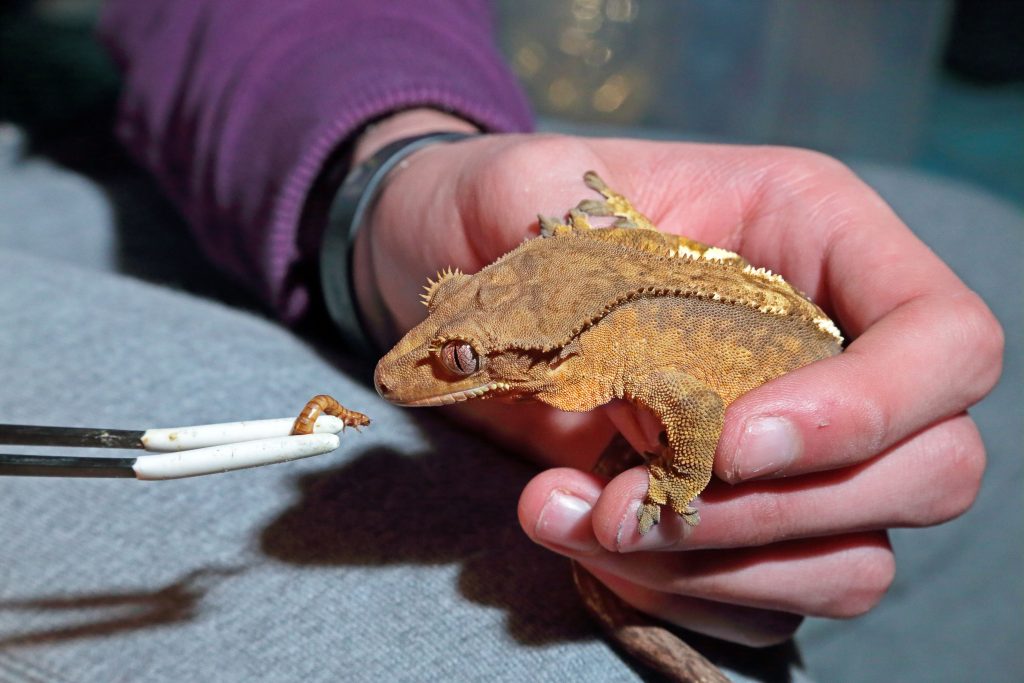
- Geckos: Among the array of gecko species, the crested gecko stands out not only for its substantial, expressive eyes but also for its docile nature, making it a favorite among pet owners. They thrive in environments with high humidity levels and benefit from a diet that varies from insects to specially formulated foods designed for their needs.
- Uromastyx: This captivating lizard is predominantly herbivorous, requiring a diet rich in greens and vegetables, combined with a calcium supplement to promote bone health. Uromastyx thrive in warmer climates and need ample space to range and bask. Their requirements include a specific basking temperature and a terrarium designed to imitate their natural arid habitats.
Meeting the dietary, habitat, and environmental needs of these reptiles demands attention to detail and an understanding of their native habitats. For example, chameleons thrive in high humidity, necessitating frequent misting or even an automatic humidifier, while Uromastyx requires access to hot rocks for basking.
Furthermore, consideration of temperature controls is vital; each species has a unique heat gradient that must be maintained for their survival. Establishing a comfortable temperature gradient within their enclosure allows reptiles to regulate their body temperature—a crucial aspect of their health. For some species, nighttime cooling is also necessary.
Before making the leap into the world of these magnificent reptiles, conducting thorough research is paramount. Not only does this preparation lead to healthier pets, but it also enhances the owner’s connection to their reptilian companions. In the sections that follow, we will delve deeper into each species’ unique requirements, helping you become an informed and committed reptile owner.
Identifying Habitat Requirements for Unique Reptilians
When considering less common reptile species as pets, understanding their specific habitat requirements is crucial to ensuring their health and well-being. Unlike mainstream reptiles, which often have well-documented care sheets available, lesser-known species may require more intricate setups to mimic their natural environment effectively. This complexity, however, is what makes their care so rewarding for dedicated owners.
One of the key factors to consider is enclosure size and structure. Different species have varying space needs, and their enclosures should reflect their natural behavior. For instance, tree-dwelling chameleons require vertically oriented habitats that allow them to climb and hide, while ground-dwelling species like the Uromastyx thrive in spacious tanks that accommodate their need to roam.
- Lighting: Proper lighting is essential for thermoregulation and metabolic functions. Many reptiles rely on UVB light for vitamin D synthesis, which is necessary for calcium absorption. Species like the Bearded Dragon are well-known for needing both UVB and basking lights, whereas nocturnal geckos may only require a low-wattage bulb to provide minimal light without disturbing their natural day-night cycles.
- Humidity: Maintaining the correct humidity levels is vital, particularly for species from tropical environments. Chameleons, for example, thrive in high humidity settings, necessitating the use of misting systems or live plants that can contribute to moisture levels. A hygrometer can be a handy tool for monitoring these conditions.
- Substrate: Different substrates can influence the health of your pet. Loose substrates like coconut coir or organic soil are more suitable for digging species, while others may do better on paper towels or reptile carpet for easier cleaning.
Another aspect to consider is the temperature gradient within the enclosure. Each reptile species has unique temperature preferences ranging from basking zones to cooler areas for thermoregulation. A successful habitat will feature a gradient that enables reptiles to self-regulate their body temperature effectively. This might include infrared bulbs or heat mats strategically placed within the tank, depending on the species.
Moreover, understanding the behavioral traits of each species is equally important for their successful upkeep. Some reptiles, like the crested gecko, may require enrichment that mimics their natural habitat, such as climbing structures, hiding spots, and other decor that challenges their instincts and promotes activity. In contrast, species like the leopard gecko thrive in more arid conditions with fewer decorations.
Ultimately, the joy of owning these less common reptiles lies in the rewarding relationship that can flourish when their specific needs are met. Consequently, prospective pet owners are encouraged to immerse themselves in the unique lifestyles of these reptiles, recognizing that detailed research and preparation translate to healthier pets and enriched connection. In upcoming sections, we will further explore the unique dietary needs one must consider when caring for these captivating creatures.
| Category | Benefits |
|---|---|
| Diet Specificity | Understanding the dietary needs of specific reptiles prevents health issues and promotes longevity. |
| Habitat Requirements | Tailoring environmental conditions can enhance the comfort and well-being of less common reptile species. |
| Behavioral Insights | Recognizing specific behaviors leads to effective handling and stress reduction during care. |
| Conservation Awareness | Fostering knowledge about endangered species encourages responsible ownership and protection of their habitats. |
Feeding and Nutritional Needs of Rare Reptilian Pets
Understanding the dietary requirements of less common reptile species is essential for their long-term health and vitality. Unlike commonly kept reptiles, which may have established feeding regimens, lesser-known species often necessitate more specialized diets that closely resemble their natural feeding habits. Pet owners must delve into the unique dietary preferences of these reptiles to provide them with the nutrition they require.
The variety of food types that reptiles consume can differ significantly between species. For example, many insectivorous reptiles, such as the Gargoyle Gecko, rely on a diet rich in live insects like crickets, mealworms, and waxworms. These insects should ideally be gut-loaded prior to feeding, which means providing them with nutritious foods 24 hours before they are given to the reptiles. This process enhances the nutritional value of the insects, providing a well-rounded diet for insectivorous species.
On the other hand, herbivorous reptiles, such as the Green Iguana, require a high-fiber diet primarily composed of leafy greens, such as collard greens and dandelion leaves, along with certain fruits. It’s important to note that not all plants are safe for reptiles; some, such as kale and spinach, can bind to calcium and impede absorption. Owners must always research which plants are safe and nutritionally beneficial for their specific species.
Additionally, some less common reptiles also exhibit omnivorous behavior, such as the Blue-Tongued Skink. They require a balanced diet that includes fruits, vegetables, and high-quality protein sources. Rotating food types weekly can help ensure that these reptiles receive all necessary nutrients while preventing boredom in their diet.
- Supplements: For many less common species, dietary supplements may also be necessary to meet their nutritional needs. Calcium and vitamin D3 supplementation is crucial, especially for species that have limited access to UVB lighting. Dusting live food with powdered supplements before feeding can help bridge any dietary gaps.
- Feeding Frequency: Understanding the proper feeding frequency is equally essential. Younger reptiles may require daily feedings to support rapid growth, whereas adult reptiles often need food less frequently, sometimes only every few days or weekly, depending on species and size.
Adhering to a tailored feeding regimen not only promotes physical health but also encourages natural behaviors in these reptiles. Observing feeding habits and preferences can also offer insights into their overall well-being. Reactive feeding behaviors can indicate stress, a need for dietary adjustments, or environmental improvements.
Moreover, keeping a consistent schedule and providing a variety of foods can stimulate your pet and foster a more engaging environment. Owners should consider using feeding strategies that mimic natural foraging habits, such as scatter feeding or hiding food within the enclosure to promote natural discovery behaviors.
In summary, understanding the nutritional needs of less common reptile species is an intricate but essential aspect of their care. By educating themselves on the various dietary requirements, owners can ensure that these reptiles not only survive but thrive. In the next section, we will delve into the social and environmental enrichment needs of unique reptiles, further shining a light on the complexities of their care.
Conclusion: Embracing the Unique Care of Less Common Reptile Species
In conclusion, understanding the specific needs of less common reptile species as pets is essential for fostering a fulfilling and healthy relationship between owners and their exotic companions. These reptiles often possess unique dietary, environmental, and social requirements that differ significantly from those of more commonly kept species. By investing time and effort into learning about their specific needs, pet owners can create enriched habitats that promote natural behaviors, reduce stress, and enhance overall well-being.
From tailored feeding regimens that mimic natural diets to providing appropriate environmental conditions, each aspect of care plays a pivotal role in these reptiles’ lives. Owners must acknowledge that these unique species may require specialized care that goes beyond basic pet ownership and embrace the responsibility that comes with keeping less common reptiles. This commitment not only enables their pets to thrive but also rewards owners with the joy of observing their fascinating behaviors and personalities.
As we navigate the captivating world of reptilian pets, we are reminded that every species has its own story, biology, and interaction with the environment. By staying informed and adaptable, aspiring reptile owners can contribute to the conservation of these lesser-known creatures and become advocates for their welfare. Therefore, as interest in exotic pets continues to grow, let us encourage the exploration of diverse reptile species while ensuring their specific care needs are met with knowledge and compassion.