Using Positive Reinforcement to Modify Behavioral Issues in Adult Dogs

Understanding Positive Reinforcement in Dog Training
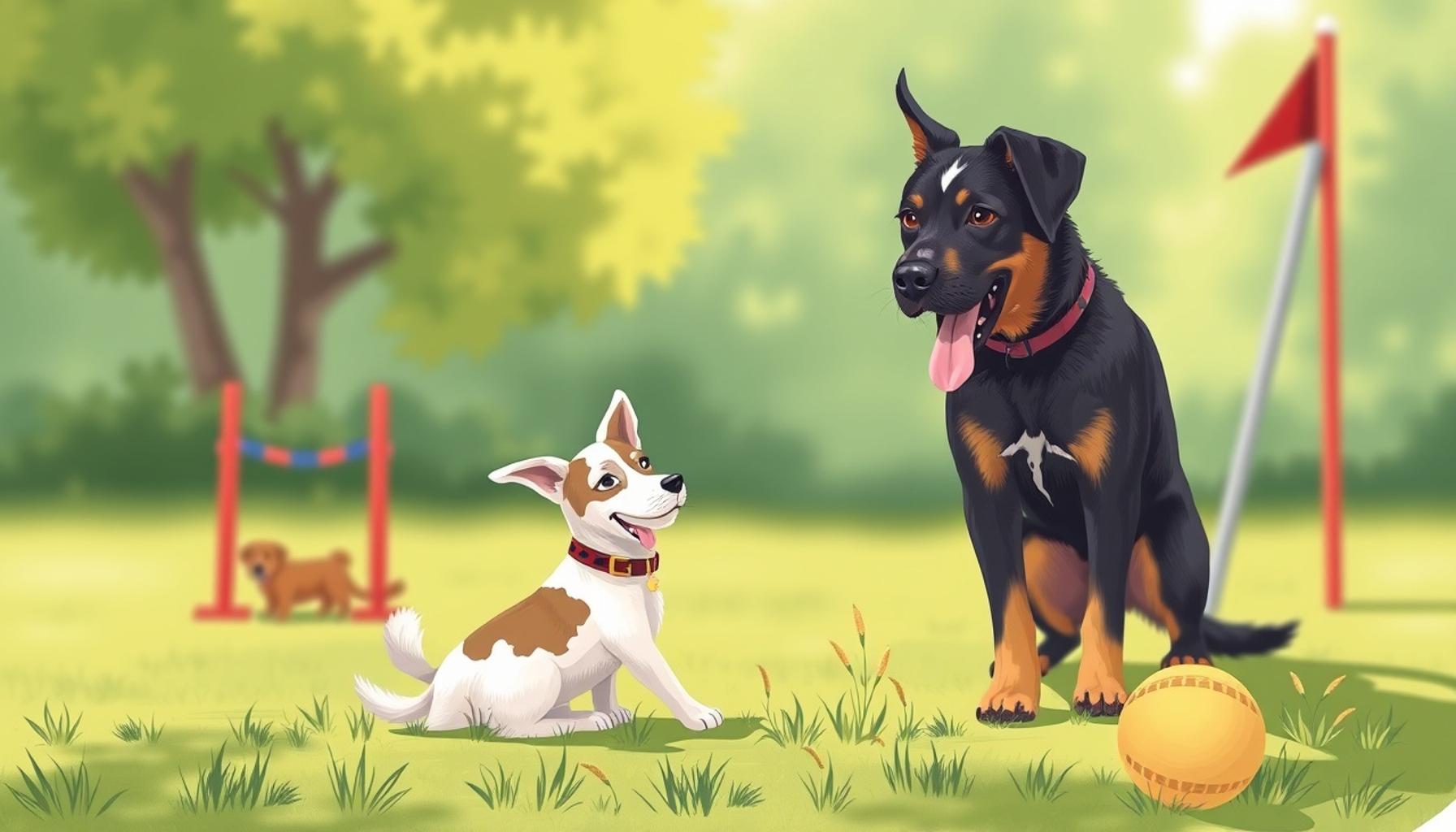
Across the United States, dog owners are redefining their approach to training, moving away from old-school techniques that often relied on punishment and dominance. Instead, many are embracing positive reinforcement as a more compassionate and effective method. This approach emphasizes rewarding desirable behaviors, which not only enhances the learning process for dogs but also deepens the connection between pets and their owners.
Behavioral Modification
One of the most significant advantages of positive reinforcement is its ability to modify behavior effectively. For instance, if a dog is prone to excessive barking when strangers approach, training with treats or praise can redirect that energy. When the dog remains calm in the presence of visitors and receives a reward, it begins to understand that quiet behavior leads to positive outcomes. Over time, this method can significantly reduce undesirable actions like jumping on guests or chewing on furniture. Such transformations not only improve daily life but also make social interactions more enjoyable.
Increased Motivation
Another compelling aspect of positive reinforcement is its capacity to boost a dog’s motivation to learn. Dogs, much like humans, thrive on encouragement. Imagine teaching your dog a new trick, like rolling over. When the dog successfully performs the trick and is greeted with enthusiastic praise or a tasty treat, it associates the action with a rewarding experience. This creates a learning environment filled with enthusiasm, where the dog is eager to engage and experiment with commands. The use of rewards—be it treats, toys, or affection—can significantly enhance the training process, making it both enjoyable and effective.
Positive Experience
The overall experience of training influences a dog’s willingness to learn. A stress-free environment cultivated through positive reinforcement leads to a better-trained dog. Dogs trained in a supportive context, where mistakes are met with understanding rather than punishment, tend to exhibit lower levels of anxiety and fear. This nurturing atmosphere can produce more resilient dogs who are confident and well-adjusted. Owners often note that training sessions become not just a task but enjoyable bonding experiences.
Research has shown that dogs trained with positive reinforcement are more likely to exhibit beneficial behaviors in various settings. It creates a foundation of trust that allows dogs to thrive not just in training but in everyday life scenarios.
In conclusion, recognizing the advantages of positive reinforcement can significantly enhance your relationship with your dog. Future articles will delve deeper into specific techniques and strategies to implement this training style effectively, ensuring that your furry friend develops into a well-behaved and happy companion.
Strategies for Implementing Positive Reinforcement
Successfully utilizing positive reinforcement in training requires a solid understanding of the principles behind the method and the practical strategies that can be applied to adult dogs with behavioral issues. The key lies not just in rewarding good behavior, but in creating a structured approach that can be consistently applied. Here are essential strategies to consider:
Identify the Problem Behaviors
The first step toward effective behavioral modification is identifying the specific issues that need addressing. These can range widely, including:
- Excessive barking
- Aggression toward other dogs or people
- Destructive chewing or digging
- Fearfulness or anxiety in certain situations
- Poor leash manners, such as pulling or lunging
Understanding the triggers for these behaviors is critical. For instance, if a dog barks at the mailman, it may be due to territorial instincts or a past negative experience. By pinpointing the root cause, you can tailor your training approach effectively.
Establish Clear and Consistent Commands
Once you have identified the behaviors to modify, it is crucial to establish clear and consistent commands. Dogs thrive on routine, and consistency helps them understand what is expected of them. Choose simple and distinct commands for different behaviors, ensuring that everyone in the household uses the same language. For example:
- For “sit,” always use the same tone and hand gesture.
- For “leave it,” establish what that command means consistently.
By maintaining uniformity in cues, your dog can learn to associate specific commands with the expected behavior, leading to effective learning through reinforced actions.
Choose Appropriate Rewards
The next step in employing positive reinforcement is to determine what constitutes a significant reward for your dog. For some, it might be treats; for others, it could be praise, toys, or even playtime. Understanding your dog’s motivations will help you choose the right incentives for successful training.
It’s essential to keep in mind that rewards should not always be food-based. For dogs that have been trained on treats, integrating occasional non-food rewards can maintain their enthusiasm. For example, offering an exciting game of fetch after they follow a command can provide a fresh experience for them. Effective rewards can include:
- Tasty treats that are small and easy to consume
- Interactive toys that promote play
- Affection such as petting or verbal praise
As an experienced dog owner, your goal is to create a rewarding experience where the dog associates good behavior with positive outcomes, thereby reinforcing their desire to repeat those actions while fostering a healthy and trusting relationship.
Approaching training with these strategies will not only help alleviate behavioral issues in adult dogs but also contribute to a fulfilling bond between you and your furry companion, channeling their energy into productive and enjoyable activities.
| Aspect | Description |
|---|---|
| Behavioral Modification | Positive reinforcement encourages desired actions through rewards, effectively addressing various behavioral issues. |
| Emotional Bonding | Using positive reinforcement strengthens the bond between dog and owner, promoting trust and security in relationships. |
The technique of using positive reinforcement in addressing behavioral issues in adult dogs not only fosters a more compliant pet but also enhances the overall relationship between the dog and its owner. This method shines particularly in its ability to reward good behavior rather than punish undesirable actions. By offering treats, praise, or affection, owners can motivate their dogs to adopt more appropriate behaviors, creating a constructive learning environment.Moreover, another significant advantage of this approach is its potential to build a stronger emotional connection. Dogs learn that good behavior leads to positive outcomes, which increases their reliance on their owners and strengthens the mutual bond. Consequently, fostering this trust not only aids in the behavioral modification process but also adds depth to the companionship shared between dogs and their humans.As behavioral issues are tackled through a compassionate and rewarding lens, dog owners may find themselves exploring even more enriching activities to share with their pets, further igniting a passion for positive reinforcement training. This holistic approach continues to be a dynamic tool for behavior modification, leading to improved communication, understanding, and harmony within the pet-owner relationship.
Building a Reward System for Optimal Learning
To effectively modify behavioral issues in adult dogs using positive reinforcement, establishing a robust reward system is paramount. This system not only encourages desired behaviors but also strengthens the bond between dog and owner, creating an environment where the pet feels secure and motivated to learn. The following steps can help in creating a comprehensive reward system:
Timing is Everything
When utilizing positive reinforcement, one of the most vital components is the timing of rewards. The closer the reward is given to the desired behavior, the stronger the association will be made in the dog’s mind. This means that if your dog sits on command, they should receive their reward immediately. This principle is often referred to as “marker training,” where the prompt reward acts as a signal of success. Additionally, using a clicker can be a powerful tool here. A click at the moment of obedience makes it clear to the dog exactly what behavior earned the treat.
Gradual Increase of Criteria
When beginning your training sessions, it is essential to start with easily achievable goals. However, as your dog becomes more proficient, you can gradually increase the criteria for what constitutes the desired behavior. For example, if your dog has mastered sitting on command, you can move on to ask them to “stay” in that position for increasing lengths of time before providing their reward. This gradual increase in difficulty not only enhances the learning experience but also keeps the dog engaged and eager to succeed.
Use of Variable Rewards
As training progresses, incorporating a system of variable rewards is a beneficial strategy. Rather than using treats consistently, consider rewarding your dog sometimes with food, but at other times with praise, play, or a toy. This unpredictability can keep the dog on its toes and excited about the learning process. Studies indicate that dogs respond positively to variable rewards, sometimes even more than fixed rewards. This method not only enhances motivation but encourages them to engage in the desired behavior consistently over time.
Incorporate Training into Daily Routines
To solidify behaviors through positive reinforcement, integrate training into everyday activities. Whether it’s asking your dog to sit before a meal, stay while you open the door, or come when called during playtime, these everyday moments can transform into training opportunities. Not only does this provide real-world context for learned behaviors, but it also makes training feel less like a chore and more like an enjoyable part of your dog’s day.
Monitor Progress and Adjust Accordingly
Regularly monitoring your dog’s progress is essential as it allows you to see how well they are responding to the training. Keeping a training journal can be a useful tool in tracking successful behaviors and identifying any lingering issues. If certain commands seem more challenging, it’s important to reassess and possibly return to the basics. Effective training is adaptive; if a specific method isn’t yielding results, don’t hesitate to tweak your approach or seek the advice of a professional dog trainer. Remember, each dog learns at their own pace, and patience is key.
By establishing a structured, flexible, and rewarding training regimen, pet owners can cultivate an atmosphere of success that not only addresses behavioral issues in adult dogs but also reinforces a strong, lifelong bond between them and their furry friends.
Conclusion: A New Approach to Dog Training
In summary, utilizing positive reinforcement to modify behavioral issues in adult dogs is not only effective but also fosters a deeper connection between pets and their owners. By implementing a structured reward system that prioritizes timing, gradual criteria adjustments, and variable rewards, pet owners can create a training environment that is both engaging and motivating for their dogs. Integrating these strategies into everyday life not only enhances learning but also ensures that desirable behaviors are reinforced consistently.
It’s important to recognize that training is a dynamic process. Monitoring progress, being adaptable, and celebrating small victories are essential components of successful dog training. Just as with humans, every dog possesses unique learning capabilities and styles; patience and empathy in this journey will yield positive results. By investing time and effort into implementing positive reinforcement techniques, you’re not just addressing behavioral concerns but also nurturing a harmonious relationship built on trust and understanding.
As society continues to evolve in its understanding of animal behavior, embracing modern training techniques can lead to more balanced, well-adjusted dogs. For pet owners seeking lasting solutions to behavioral issues, the principles of positive reinforcement present an intriguing pathway worth exploring. Delve deeper into this fascinating topic and discover the multitude of resources available, including training courses and expert consultations, to unlock the full potential of your adult dog’s behavior transformation.