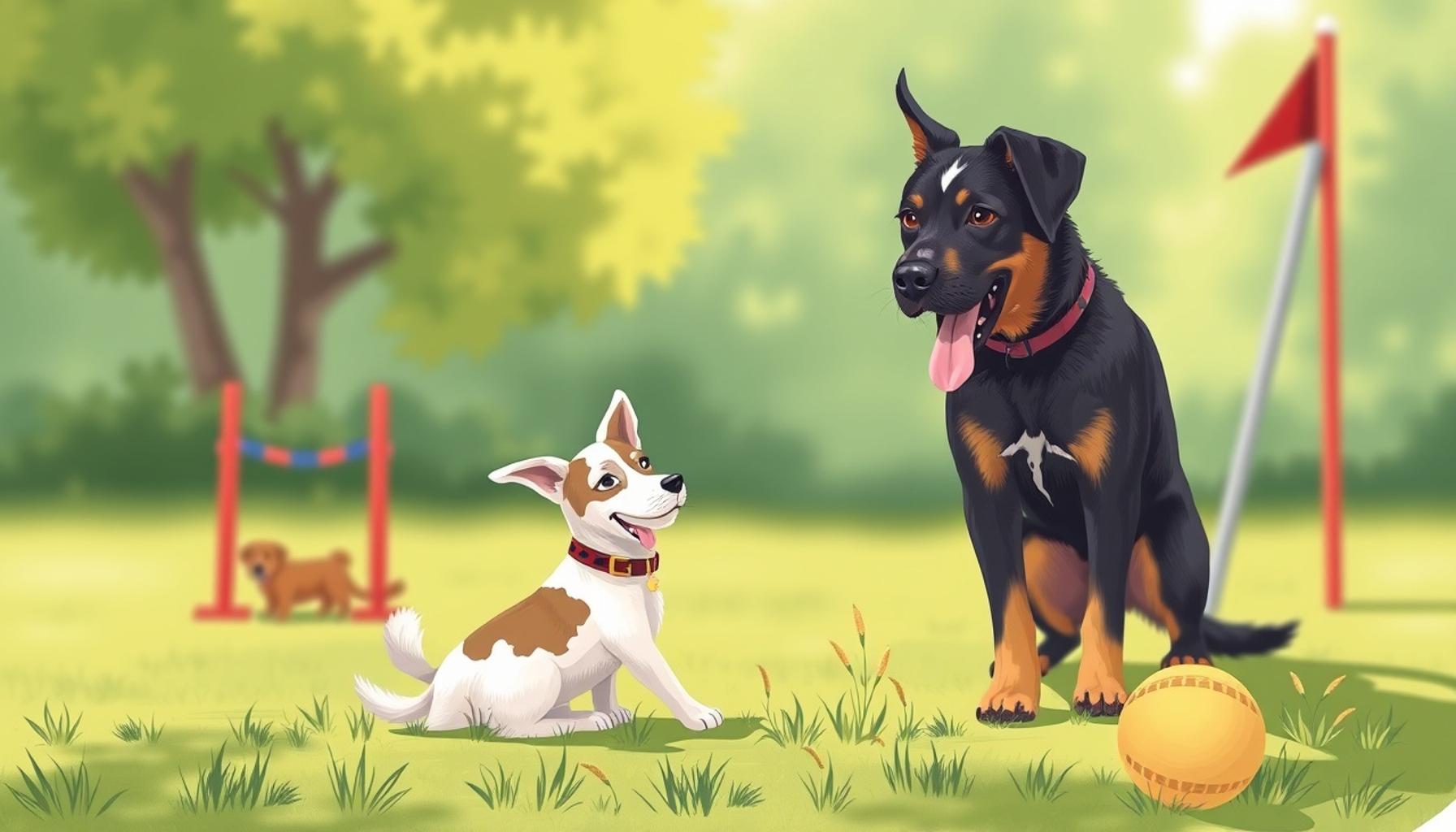
Utilizing Clicker Training: A Step-by-Step Guide for Pet Owners

Unlocking the Power of Clicker Training
Clicker training has gained significant popularity among pet owners in recent years. This method of training is not just a passing fad; it is a scientifically backed approach that significantly enhances the communication between you and your furry friend. By employing a simple device—a clicker—you can teach your pet a plethora of behaviors in an engaging and enjoyable manner. This method is effective across various species, from dogs and cats to rabbits and even birds, making it a versatile choice for any animal enthusiast.
What Makes Clicker Training Effective?
- Positive Reinforcement: The core of clicker training lies in positive reinforcement, an approach that involves rewarding desired behaviors. When your pet performs a behavior you wish to encourage, the sound of the clicker is followed by a treat or praise, solidifying the connection between the action and the reward. For instance, if you are teaching your dog to sit, once they lower their bottom to the ground, a click followed by a tasty treat can create a lasting association.
- Clear Communication: The distinct sound of the clicker serves as a clear signal to your pet about which specific behavior is being rewarded. Unlike verbal praise, which can be vague, the click sound is immediate and unmistakable, allowing for precise timing in reinforcing desired behaviors. This instant acknowledgment is crucial during the learning process, as it minimizes confusion for the pet.
- Quick Learning: Pets often grasp new commands more rapidly when they understand what specific action earns them a reward. This method promotes a swift learning curve, as animals are naturally inclined to repeat actions that yield positive outcomes. For example, many dog owners find that their pets can learn commands like “stay” or “come” in just a few sessions, if reinforced correctly using the clicker method.
Numerous pet owners across the United States have reported remarkable successes in training their dogs, cats, and even smaller animals like hamsters or gerbils utilizing this technique. From teaching puppies basic commands to helping older pets unlearn unwanted behaviors, clicker training proves to be adaptable for all ages. This universal applicability makes it an excellent choice whether you’re welcoming a bouncy new puppy into your life or working with a more mature pet that may need some retraining.
Ready to Get Started?
If you’re ready to dive into this rewarding training method, this guide will cover:
- Essential tools for clicker training, including types of clickers and preferred treats.
- Step-by-step instructions to teach basic commands, with examples that will engage your pet.
- Common mistakes to avoid during training sessions to ensure you and your pet get the most out of the experience.
Prepare to enhance your bond with your pet as you explore their untapped potential through clicker training. This method not only focuses on obedience but also fosters trust and companionship, setting the foundation for a well-behaved and happy partner. So, let’s explore the transformative power of clicker training that can turn your pet into an exemplary companion for years to come!
Getting Started with Clicker Training
Before diving into the training process, it’s essential to gather the necessary tools and understand the fundamental concepts behind clicker training. Preparing adequately sets the stage for success, ensuring that both you and your pet enjoy the process and achieve your desired outcomes.
Essential Tools for Clicker Training
To get started with clicker training, you will need a few basic tools that will facilitate your training sessions:
- The Clicker: Invest in a quality clicker, which is a small, handheld device that makes a distinct sound. You can find various types of clickers at pet stores or online. Choose one that feels comfortable in your hand and is easy to press.
- High-Value Treats: Select treats that your pet loves and are easy to handle. Training treats should be small, soft, and tasty to hold your pet’s attention. Examples include tiny pieces of cooked chicken, cheese, or commercially available training treats.
- Clicker Training Book or Guide: Consider reading up on clicker training techniques through books or reputable online resources. Familiarizing yourself with expert advice will bolster your confidence and understanding of effective methods.
- Patience and Consistency: Beyond physical tools, equip yourself with patience and a commitment to consistency. These traits are vital as your pet learns and adapts to the click-and-reward system.
The Science Behind Positive Reinforcement
At the heart of clicker training lies the principle of positive reinforcement. This technique is grounded in behavioral psychology, emphasizing that animals learn best when they associate specific behaviors with positive outcomes. Positive reinforcement encourages your pet to repeat desired actions, knowing that a reward awaits. Here’s how it works:
- Choose a Behavior: Identify the behavior you want to reinforce. Whether it’s sitting, staying, or even more complex tricks, setting clear objectives provides direction for your training sessions.
- Timing is Key: As soon as your pet performs the desired action, promptly click the clicker. This immediate feedback lets your pet know precisely what they did right, forming a stronger connection between their action and the reward.
- Reward Immediately: Following the click, offer a tasty treat or enthusiastic praise to reinforce the behavior. This solidifies the association and helps your pet understand that they will be rewarded for repeated successful actions.
As you embark on your clicker training journey, remember that effective training is a gradual process requiring dedication. Each session, whether brief or extended, contributes to deepening your bond with your pet and enhancing their understanding of the training principles. Keep your sessions fun and positive, and you’ll see results before you know it!
Understanding the Basics of Clicker Training
Clicker training is a form of positive reinforcement that can effectively teach pets new behaviors. This method involves using a small handheld device that makes a distinct clicking sound to mark desirable actions performed by the animal. The use of sound helps create a clear communication channel between the pet and the owner, offering immediate feedback. By associating the sound of the click with rewards, pets learn to connect the click with positive outcomes, which encourages them to repeat the desired behavior.
Getting Started with Clicker Training
To begin with clicker training, it is crucial to select the right clicker. A basic handheld clicker is usually sufficient, and they can be found in pet stores or online. Once you have your clicker, the first step is to *charge the clicker*; this means clicking and giving your pet a treat immediately after, allowing them to understand that the click means something positive.Next, focus on teaching your pet a simple command, such as “sit.” Hold a treat above their head, moving it back towards their tail. As the pet sits, click the clicker and reward them with the treat. Be consistent with your clicks and rewards. Repeating this process will help your pet learn that good behavior results in a reward, creating a bond based on trust and positive interactions.
Creating a Structured Training Plan
For effective training, it’s essential to develop a structured plan. This plan should outline specific behaviors you’d like to teach and set realistic training goals based on your pet’s ability. Short, frequent training sessions—about 5 to 10 minutes each—are generally the most effective. Be patient, as some pets may require more time to learn new behaviors. Utilizing clicker training can foster better communication with your pet, making it more enjoyable for both of you. As you progress, feel free to challenge your pet with new tricks or commands, and always remember to keep the training sessions fun and lively. Engaging your pet in play can greatly enhance their learning experience. The benefits of clicker training extend beyond simply teaching commands; it helps build confidence in pets, reduces behavioral issues, and strengthens the owner-pet relationship. By investing time in clicker training, you open the door to a well-behaved, happier pet.
Benefits of Clicker Training
With that understanding, let’s delve into the advantages of adopting clicker training techniques. These advantages can lead to a transformative experience for both pets and their owners. Here is a well-organized table outlining key benefits:
| Category | Advantages |
|---|---|
| Effective Learning | Pets learn commands quickly through clear communication and immediate reinforcement. |
| Strengthened Bond | The positive reinforcement approach builds trust between pets and their owners. |
By understanding these essentials and advantages, pet owners can fully harness the potential of clicker training, thereby enriching their and their pets’ lives profoundly.
Implementing Clicker Training Techniques
Once you have gathered your essential tools and understand the science behind clicker training, the next step involves implementing practical techniques to maximize your training sessions. This involves a structured approach that incorporates engaging activities and reinforces positive behaviors effectively.
Training Sessions: Setting the Stage
Effective training sessions are short and engaging, ideally lasting no longer than five to ten minutes, especially when starting out. Too lengthy sessions can lead to boredom and frustration for both you and your pet. Here are some strategies to create an engaging learning environment:
- Choose a Distraction-Free Zone: Select a quiet space for training to prevent outside distractions. This may be a room in your home or a secluded spot in the backyard. A calm atmosphere allows your pet to focus on you and the tasks at hand.
- Calm Yet Excited Energy: Maintain a balance of calmness with enthusiasm during your training sessions. Your demeanor affects your pet’s energy levels. Present your commands with excitement, using a cheerful voice to inspire eagerness in your pet to learn.
- Consistent Timing: Schedule training sessions at the same time each day, which builds a routine that your pet will become accustomed to. Regular sessions at consistent times improve focus and responsiveness.
Step-by-Step Training Techniques
Here’s how to break down the clicker training process into manageable steps that promote learning:
- Introduce the Clicker: Start by associating the clicker sound with a reward. Click the device and immediately offer a treat. Repeat this a few times until your pet begins to anticipate the treat whenever they hear the click. This first crucial step lays the foundation for positive reinforcement.
- Begin with Basic Commands: Choose commands that are fundamental and easy for your pet to grasp, such as “sit,” “down,” or “come.” For instance, when teaching “sit,” hold a treat above your pet’s nose and slowly move your hand back towards their tail. As their head goes up, their bottom should lower. As soon as they sit, click and reward immediately.
- Gradual Progression: Once your pet masters a basic command, progressively introduce more complex tricks. Always ensure that your training is incremental, allowing your pet to build on previously learned skills without feeling overwhelmed.
- Use Luring and Targeting: Incorporate luring, where you guide your pet with a treat, and targeting, where you encourage them to touch a designated object with their nose or paw. Both techniques can create predictable pathways to learning more intricate commands.
Monitoring Progress and Adjusting Techniques
Observation plays a significant role in clicker training. Keep track of your pet’s progress, noting when they grasp concepts quickly or when they struggle. Adjust your methods if necessary—perhaps your pet requires a different type of reward or needs more time with a particular command. Tracking changes in behavior can provide valuable insights into their learning styles.
In addition to tracking progress, incorporating play and fun during sessions can enhance engagement. Use light-hearted games that revolve around training, turning the process into an enjoyable experience for both of you. Remember, the ultimate goal is to strengthen your relationship with your pet while they gain new skills.
With these practical steps, pet owners can effectively implement clicker training, cultivating mutual motivation and a loving bond built on successful communication and shared experiences.
Conclusion: Building Bonds Through Clicker Training
In summary, clicker training serves as an invaluable method for pet owners to build effective communication and deepen the bond with their furry companions. By following the step-by-step techniques outlined throughout this guide, pet owners can create a structured and engaging training environment that not only reinforces positive behaviors but also enhances the learning experience. The unique benefits of this method are clear: short, distraction-free sessions paired with consistent reinforcement can lead to quick comprehension and lasting results.
Moreover, the versatility of clicker training allows for its application across various behavioral issues and complexities. Whether teaching basic commands like “sit” and “stay,” or more challenging tricks, the key lies in maintaining a positive and patient approach. Always remember that observation and adjustment are crucial components of the training process. Monitoring your pet’s progress and adapting techniques ensures that their individual needs are met, fostering a more productive learning atmosphere.
Pet owners are encouraged to view training as an ongoing journey rather than a destination. Embracing innovation by incorporating games and engaging interactions can transform sessions into enjoyable experiences for both owner and pet. As you embark on this rewarding path of clicker training, remember that every click signifies not just a command learned but a step towards a stronger, more harmonious relationship with your beloved animal. With dedication, creativity, and a commitment to positive reinforcement, the possibilities in training your pet are boundless.