The Influence of Natural Diet on the Health and Well-Being of Pets
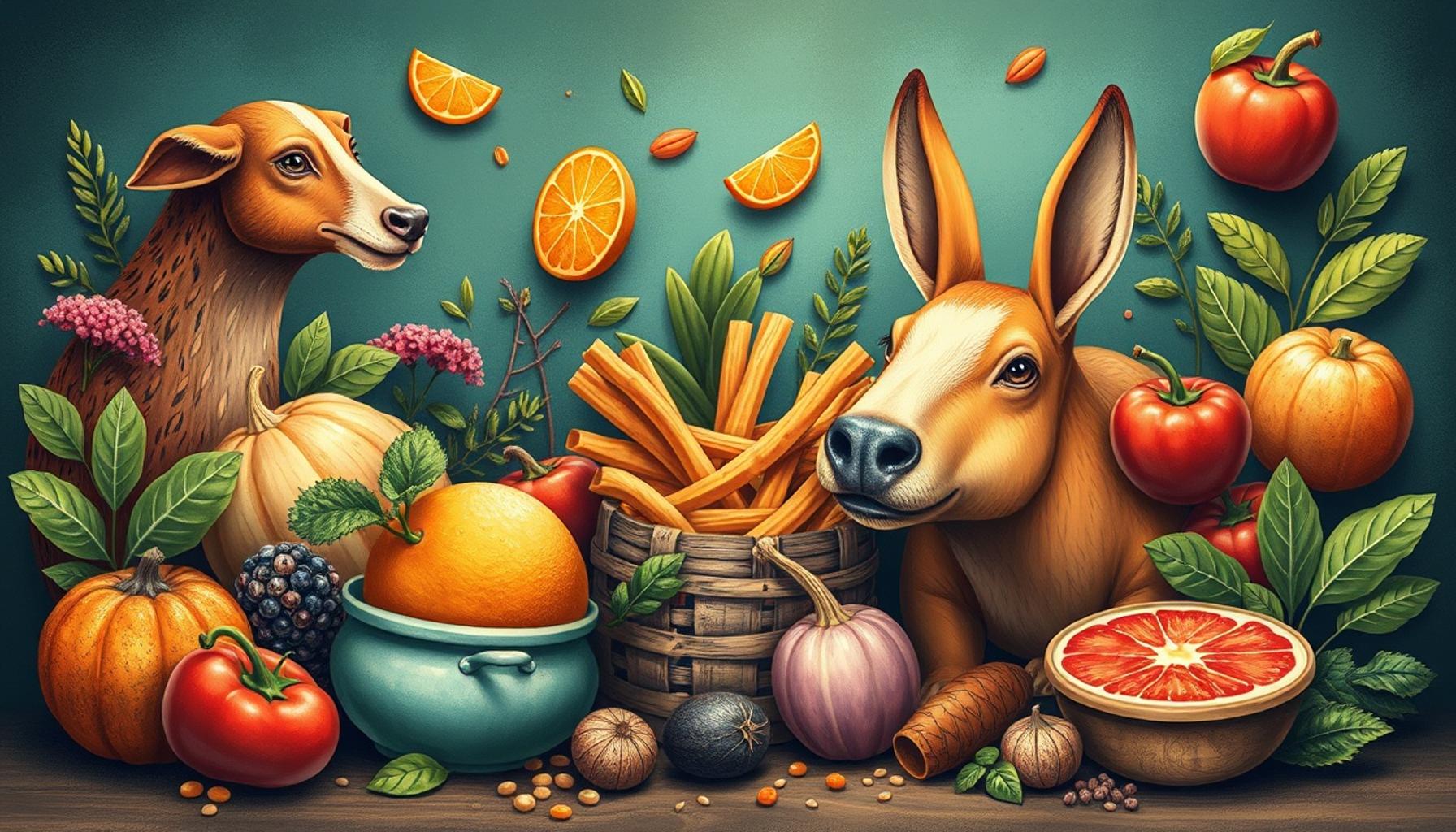
The choice of a pet’s diet can profoundly affect their overall health and well-being. With growing awareness around nutrition, many pet owners are shifting toward a natural diet, which is believed to promote optimal health. This article explores how a natural diet impacts pets and the various factors that contribute to their vitality.
The Benefits of a Natural Diet
Natural diets, often consisting of whole foods, focus on minimizing processed ingredients. This shift toward more natural options is changing the way pet owners consider health for their four-legged companions. Here are some benefits that support this dietary change:
- Enhanced digestion – Whole foods, such as fresh meats and vegetables, are more easily digested compared to heavily processed kibble. Ingredients like pumpkin and sweet potatoes can promote digestive regularity, reducing issues like gas or diarrhea.
- Improved coat condition – Ingredients rich in omega fatty acids, such as salmon and flaxseed, contribute to the lustrous quality of a pet’s fur. Many owners report shinier coats and less shedding when incorporating these elements into their pets’ diets.
- Increased energy levels – A balanced nutritional profile provides pets with the energy they need for play and exercise. Pets consuming a natural diet often exhibit heightened activity levels, allowing them to engage more enthusiastically with their surroundings.
Common Ingredients in Natural Diets
When considering a natural diet, specific ingredients come to prominence. Understanding these components is essential for crafting a well-rounded meal plan for pets. Commonly included are:
- Fresh fruits and vegetables – Options such as blueberries and carrots are packed with essential vitamins and antioxidants that improve overall health and boost immunity.
- High-quality proteins – Sourced from meats like chicken, beef, or fish, these proteins support muscle health and development. It is essential that these proteins are high-quality, as they affect everything from energy levels to recovery from exercise.
- Healthy fats – Options like coconut oil or fish oil contribute to overall wellness and are particularly beneficial for maintaining a healthy skin barrier.
In the United States, where the trend toward alternative and natural diets is gaining momentum, pet owners are increasingly seeking out brands that embrace a holistic approach to pet nutrition. Some local pet food stores even feature workshops on how to prepare home-cooked meals for pets, emphasizing the importance of each ingredient. With robust resources available, owners are encouraged to understand not only what their pets are eating but also where those ingredients come from.
As pet owners become more discerning about dietary choices, understanding the influence of a natural diet becomes crucial. The need for comprehensive knowledge on what constitutes a truly nourishing diet leads many to investigate the options available for their beloved pets. Making informed decisions ensures that pets lead healthier, happier lives, solidifying the bond between owner and companion.
LEARN MORE: Click here to discover the benefits of environmental enrichment for your pets
The Science Behind Natural Diets
The growing movement towards natural diets among pet owners is rooted in a deeper understanding of pet nutrition and its correlation with health outcomes. Research consistently shows that the ingredients in a pet’s food have a profound effect on not just their physical health, but also their emotional well-being. The transition to a natural diet is not merely a trend; it’s a response to the need for better nutritional standards in pet food, urging owners to reflect on what they feed their furry friends.
One of the central elements of a natural diet is the emphasis on whole, unprocessed foods. Unlike conventional pet foods, which often include fillers and artificial additives, natural diets draw upon the benefits of using ingredients that are closer to their natural state. This means fewer synthetic additives and more authentic nutrition. A well-crafted natural diet provides a range of essential nutrients that are vital for a pet’s growth, development, and long-term health.
Understanding Nutritional Balance
A key component of ensuring that a natural diet promotes health lies in achieving a nutritional balance. While there is no one-size-fits-all approach, various dietary strategies can enrich a pet’s food regimen. The following elements are essential for a well-rounded natural diet:
- Variety of Proteins – Incorporating different protein sources such as poultry, red meat, and fish can provide a rich amino acid profile that supports muscle development and organ function.
- Vitamins and Minerals – Fresh fruits and vegetables serve as natural sources of vital nutrients. Leafy greens, colorful peppers, and squash are not only palatable but also provide antioxidants that combat oxidative stress.
- Probiotics – These beneficial bacteria, often found in fermented foods, can improve gut health, making digestion more efficient while enhancing the immune response.
Many pet owners have noticed remarkable improvements in their companions’ health after switching to natural diets. Reports indicate that pets often exhibit reduced incidences of allergies, improved digestion, and enhanced vigor. Not only do these changes enhance physical health, but they also contribute significantly to the overall quality of life for pets, allowing them to be more active and engaged.
Furthermore, the natural diet approach encourages pet owners to be more involved in their pet’s dietary choices, promoting a hands-on attitude towards nutrition. With the help of veterinarians and pet nutritionists, more owners are exploring the possibilities of home-prepared meals, ensuring their pets receive the most wholesome ingredients possible.
This rising awareness prompts discussions among pet owners about the importance of sourcing quality ingredients and understanding the implications of feeding practices. Such considerations empower owners to make informed choices that could lead to improved health outcomes for their pets, ultimately enriching the pet-owner relationship.
| Advantages of Natural Diet | Health Benefits for Pets |
|---|---|
| Improved Digestion | A natural diet, rich in fiber and nutrients, promotes healthy digestion and reduces gastrointestinal disorders. |
| Enhanced Immune System | Pets consuming a natural diet are better protected against diseases due to higher levels of vitamins and antioxidants. |
| Healthy Weight Management | Natural ingredients help in maintaining an optimal weight which in turn reduces the risk of obesity-related diseases. |
| Brighter Coat and Skin | A diet based on natural foods often results in a <strong shinier coat and healthier skin due to essential fatty acids. |
As pet owners explore options for improving their pets’ health, they often overlook the significant impact of diet. The basic principle of a natural diet is to provide pets with whole food ingredients that mimic what they would eat in the wild. Such diets can lead to a variety of health benefits.Incorporating ingredients like lean meats, vegetables, and wholesome grains not only aids in proper digestion but also enhances the immune response. Pets thrive on balanced nutrition, which includes appropriate protein sources and essential nutrients needed for their overall well-being.Moreover, natural diets lead to noticeable improvements in physical appearance. Owners may observe their pets exhibiting higher energy levels and increased vitality, stemming from a diet that closely aligns with their nutritional needs. This connection underlines the importance of catering to the species-specific requirements of pets, ensuring they receive the most beneficial diet possible.
LEARN MORE: Click here to discover the significance of physical activity for your pets
The Behavioral Benefits of a Natural Diet
Beyond the physical advancements attributable to a natural diet, pet owners are increasingly discovering the behavioral benefits that accompany this dietary shift. Just as human nutrition impacts mood and mental states, the same is true for pets. Diets rich in natural ingredients can enhance a pet’s emotional well-being, leading to reduced anxiety, improved social behaviors, and an overall happier disposition.
One observable consequence of switching to a natural diet is the reduction in behavioral issues commonly linked to poor nutrition. For instance, pets that consume highly processed foods may suffer from adrenal fatigue or hormonal imbalances, which can manifest as hyperactivity or aggression. By transitioning to a diet abundant in whole foods, owners have reported a marked decrease in these unsettling behavioral patterns. This connection underscores the idea that pet food is not merely fuel; it is a central component of their holistic health.
Enhanced Cognitive Function and Aging
A natural diet can even play a role in cognitive function, particularly in aging pets. Foods abundant in antioxidants, omega-3 fatty acids, and B vitamins can significantly influence brain health. For example, fish, especially fatty varieties like salmon, are excellent sources of omega-3, which has been linked to improved cognition and memory. Similarly, antioxidants found in many fruits and vegetables can help combat the effects of aging in brain cells, potentially lowering the risk of dementia-related symptoms.
Studies have found that pet owners who provide high-quality, natural diets for their aging dogs notice fewer signs of cognitive decline. Dogs that might otherwise show confusion or disorientation tend to retain their personality traits and cognitive skills longer when fed nutrient-dense, natural foods. The proactive approach of enhancing diets to support brain health could pave the way for pets to enjoy their twilight years more fully.
The Environment and Nutrition
The conversation surrounding natural diets also brings environmental factors into play. Pet owners are becoming increasingly aware of how sourcing natural ingredients can support sustainable practices. More brands are committing to ethical sourcing and eco-friendly production processes. This aligns with a growing consumer base that values environmentally friendly practices. Many pet owners are not only interested in the health benefits for their pets but also in the positive impact that their feeding choices can have on the planet.
Additionally, the trend toward natural diets has prompted a surge in local and small-scale food producers catering to the pet industry. Fresh, locally-sourced ingredients are becoming more accessible, fostering a community of conscious consumers. This shift promotes a circular economy where pet owners can support local farmers while ensuring their pets receive top-quality nutrition.
The Role of Customization in Natural Diets
Customizing a pet’s diet is another hallmark of the natural diet movement. Pet owners are increasingly encouraged to tailor their pets’ meals to their individual health needs, activity levels, and even preferences. Resources are now more widely available, including meal plans developed by veterinarians and pet nutritionists, that assist owners in creating balanced, species-appropriate diets. This level of involvement fosters a deeper bond between pets and their owners, as meal preparation becomes an enriching activity for both parties.
In summary, the advantages of adopting a natural diet extend far beyond physical health, influencing behavior, cognitive function, environmental sustainability, and the personalization of pet care. This multifaceted approach not only enhances the lives of pets but bears a significant impact on their owners’ experiences, leading to a more connected and mindful relationship.
DON’T MISS: Click here to learn essential tips
Conclusion: A Natural Approach for Lifelong Well-Being
In conclusion, the influence of a natural diet on the health and well-being of pets is profound and multifaceted. As evidenced throughout this discussion, shifting toward whole, natural ingredients not only promotes better physical health but also enhances emotional stability and cognitive function in our furry companions. The benefits of such diets extend well beyond the bowl; they foster happier, more balanced pets that can enjoy a higher quality of life.
Furthermore, embracing a natural diet allows pet owners to connect with their animals on a deeper level. Customization and involvement in their pets’ nutrition creates opportunities for enriching experiences, strengthening the bond between owner and pet. Additionally, the environmental advantages of supporting sustainable practices through local sourcing cater to a new generation of conscious consumers, enabling a positive impact on the planet.
As pet owners consider the transition to a natural diet, resources such as veterinary guidance and research into pet nutrition are more accessible than ever before. This growing awareness and knowledge present an opportunity for all pet lovers to make informed choices that benefit their companions and the world we share. By investing in high-quality, natural diets, we are not just feeding our pets— we are nurturing their overall health, happiness, and longevity, ensuring they thrive in our lives.
As the conversation surrounding pet nutrition evolves, it continues to illuminate the vital role of a natural diet in promoting holistic animal health. The journey toward better pet nutrition begins with awareness, and the positive ripple effects can be felt by both pets and their owners alike.