The Evolution of Pet Bird Species: How Species Adapted to Life in Captivity
Evolutionary Journey of Pet Birds
Over the years, pet birds have captured the hearts of many animal enthusiasts in the United States. But how did these fascinating creatures evolve to thrive in human environments? Understanding the adaptation processes of various bird species reveals astonishing insights into their behavior and characteristics.
As these birds transitioned from wild habitats to the comforts of captivity, they underwent remarkable transformations. This journey is not merely about survival; it is about how these creatures have learned to coexist and even flourish alongside humans.
Behavioral Changes
One of the most notable adaptations is in behavioral changes. Birds such as cockatiels and budgerigars have evolved to exhibit increasingly social behaviors that enhance their bond with their human companions. For instance, these birds often engage in vocal mimicry, picking up human speech patterns to communicate and bond with their owners. This propensity to mimic not only entertains their human families but also strengthens the social connection between species. It is fascinating to observe how these birds have developed an understanding of cues from their human caretakers, responding to emotions and even mirroring body language.
Physical Modifications
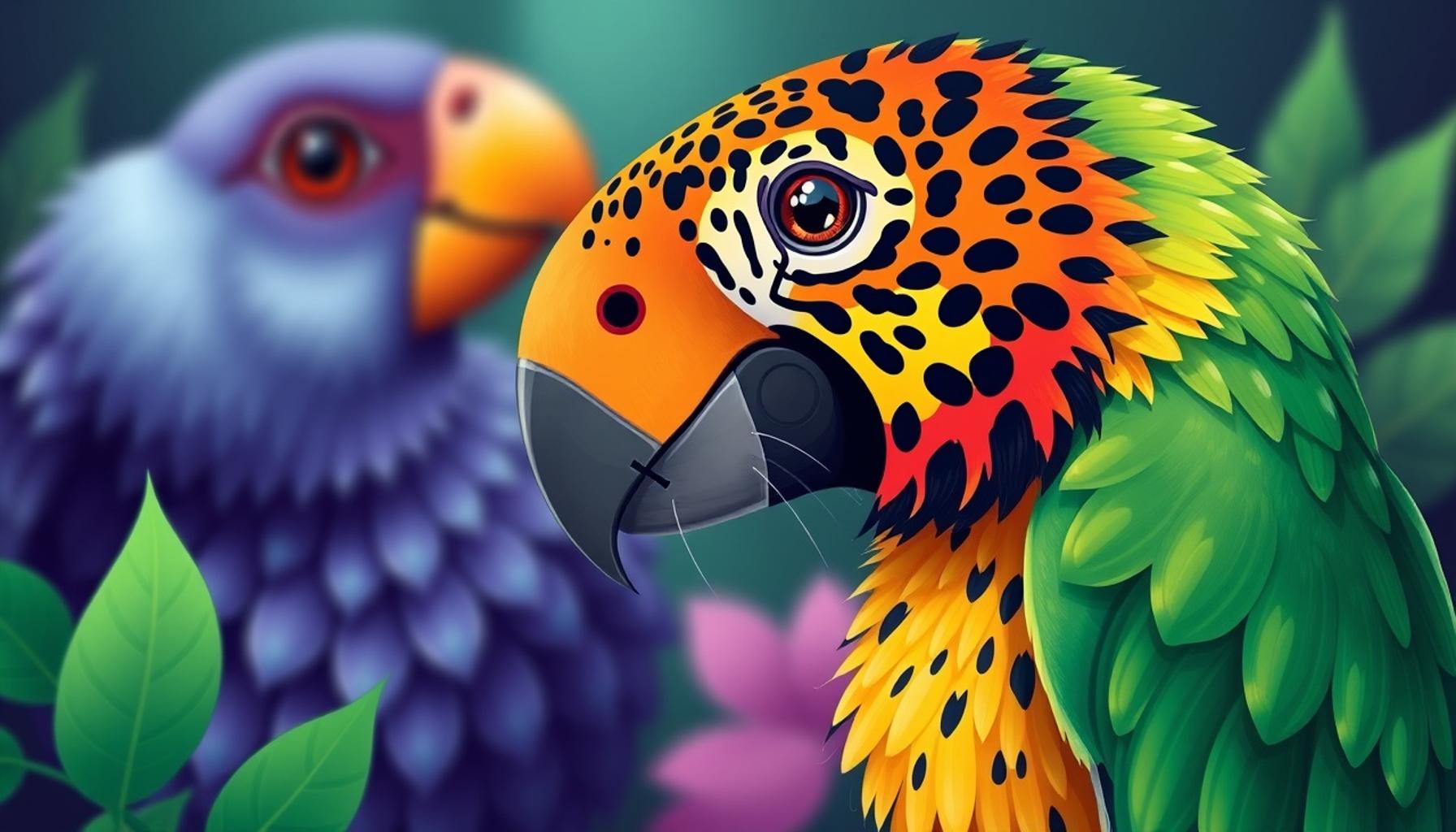
Many avian species have also made physical modifications that pique human interest. Breeds like the African Grey parrot exhibit vibrant feathers with striking variations that appeal to pet owners. Selective breeding has led to the emergence of unique feather colors and patterns designed to capture the aesthetic preferences of humans. This aspect not only reflects the beauty of these birds but also plays a crucial role in their popularity as pets. Moreover, breeding practices impact these visual traits, making certain birds more desirable in pet markets, yet raising questions about the ethics of such selective breeding processes.
Dietary Changes
The diets of captive birds reveal another layer of their adaptations. Unlike their wild counterparts, who forage for seeds, fruits, and insects, pet birds often rely on commercially manufactured diets. For example, many pet owners provide specially formulated pellets that are designed to meet their birds’ nutritional needs. However, these diets can differ significantly from the natural diets of their wild relatives, raising concerns about potential health implications. It is essential for bird owners in the United States to understand the dietary needs of their pets, ensuring that they incorporate fresh fruits and vegetables alongside their pellets to mimic a balanced diet that their wild cousins would typically consume.
These adaptations highlight not only the complex relationship between humans and pet birds but also the responsibility pet owners hold in ensuring the well-being of their feathered friends. Exploring these evolutionary traits enriches our appreciation for these avian companions. Through the resilience and adaptability of pet birds, we discover a deeper connection to the natural world and the importance of fostering an environment that supports their health and happiness.
As we continue to uncover the fascinating stories behind pet bird species, we are reminded of their journey from the wild to our homes. Prepare to be inspired by the myriad ways these feathered friends have thrived through the ages, evolving not just for survival but also for companionship and joy within the human community.
DISCOVER MORE: Click here to learn how to navigate your new pet’s transition</a
Adapting to Human Environments
As pet birds transitioned from their natural habitats to life in captivity, their adaptation journey involved significant changes that allowed them to integrate into human lifestyles effectively. This fascinating evolution can largely be broken down into three key areas: behavioral adaptations, physical modifications, and dietary shifts.
Behavioral Adaptations
One of the standout changes observed in pet bird species is their behavioral adaptation. Wild birds typically exhibit behaviors that are crucial for their survival, such as foraging for food, establishing territories, and forming flocks. However, the transition to captivity has led birds like parakeets and lovebirds to develop enhanced social behaviors that are tailored to their human caretakers. For example, these birds have shown a remarkable ability to engage in vocal imitation, mimicking household sounds and human speech. This not only serves to entertain their owners but also facilitates a stronger emotional connection between species.
Additionally, pet birds often adapt their social dynamics to reflect their environments, adapting to life as companions rather than competitors. They learn to follow cues from their owners, picking up on emotional states and adjusting their behavior accordingly. Studies indicate that these social interactions can lead to increased bonding, making them a beloved addition to many households across the United States.
Physical Modifications
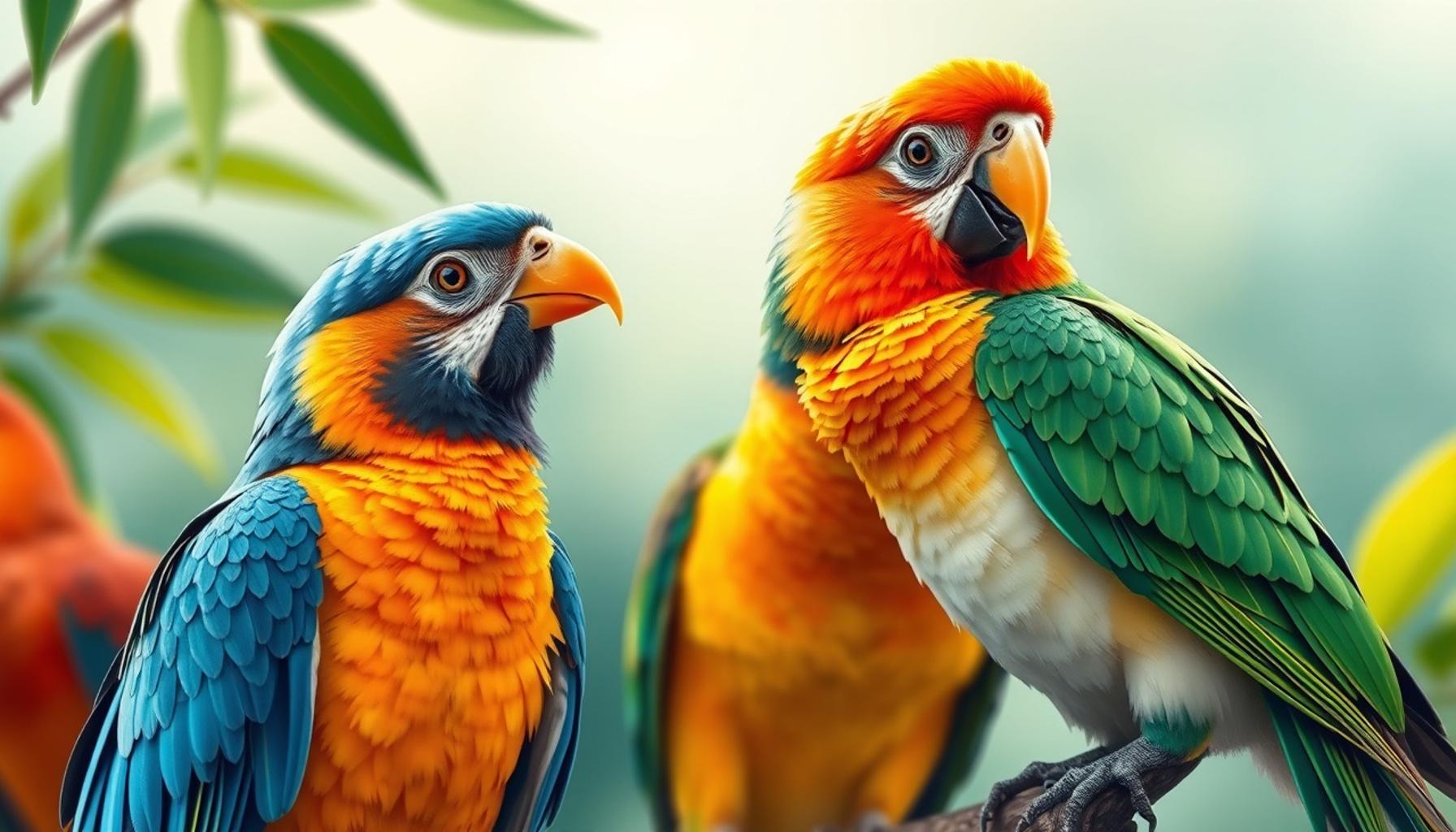
As pet birds have become more integrated into human lives, physical modifications have emerged as another critical aspect of their evolution. Selective breeding has played a pivotal role in this process, producing aesthetically appealing traits favored by pet owners. For instance, breeds like the Sun Conure exhibit dazzling plumage with bright yellow, orange, and green hues that attract attention. Such physical characteristics not only reflect the preferences of bird enthusiasts but also enhance the birds’ marketability in pet stores.
However, this selective breeding raises ethical questions regarding the potential health impacts associated with specific traits. Some breeds, such as certain variations of the budgerigar, have been bred for traits that might compromise their overall vitality. Understanding these implications is crucial for current and prospective pet bird owners, as it can influence responsible pet ownership and breeding practices.
Dietary Shifts
The final pillar of adaptation lies in dietary changes that pet birds undergo once domesticated. In the wild, birds forage for a varied diet rich in seeds, fruits, and occasionally insects, depending on their species. Conversely, pet birds typically consume commercially formulated diets that include pellets, seeds, and occasionally fresh produce. While these diets are designed to meet the nutritional needs of captive birds, they can sometimes lack the variety found in their natural diets, leading to potential health concerns.
- Commercial pellets often lack adequate nutritional diversity.
- Fresh fruits and vegetables are essential for mimicking a balanced wild diet.
- Understanding these dietary needs is crucial for long-term health.
These changes underline the necessity for pet owners to operate with a nuanced understanding of their birds’ needs, enabling them to create an environment that promotes optimal well-being. Exploring these evolutionary adaptations demonstrates the profound bond between humans and pet birds, revealing the responsibilities inherent in their care.
As we dive deeper into the captivating story of pet birds, we begin to recognize how their evolution is not just a tale of survival, but a remarkable journey of adaptation that enriches both their lives and ours.
As we delve into the intricate journey of pet bird species and their adaptation to captivity, we uncover remarkable transformations that not only showcase their resilience but also illuminate human influence on natural evolution. Throughout history, selective breeding has played a pivotal role in shaping the characteristics of various bird species. The domestication of birds such as parrots, canaries, and finches has led to enhanced color variations, changes in size, and even alterations in vocal ability. These adaptations serve not only aesthetic purposes but also cater to the emotional and companionship needs of bird enthusiasts.Moreover, captive environments have encouraged bird species to develop traits better suited for life alongside humans. For instance, social birds have heightened their communication skills, evolving their calls to engage more interactively with their owners. This has created a unique bond that goes beyond mere pet ownership, fostering a relationship built on understanding and companionship.Also noteworthy is the impact of diet on the evolution of captive bird species. In the wild, birds have access to a diverse range of foods, while in captivity, their diets are often curated to enhance health and vitality. Tailoring diets with specialized bird food allows for improvements in plumage quality, reproductive success, and overall well-being. This controlled approach to nutrition reflects how environmental factors can lead to evolutionary changes, suggesting that food availability is a critical component in shaping the traits and health of pet birds.Furthermore, understanding how species adapt to life in captivity also sheds light on conservation efforts. By studying the behaviors and characteristics of domesticated birds, researchers gain insight into their wild counterparts, potentially aiding in preservation efforts. This synchronicity between domestic and wild can offer valuable lessons on biodiversity and conservation strategies that benefit both realms.As the fascination for pet birds continues, exploring their evolutionary path sheds light not only on their uniqueness but also on the profound interplay between human compassion and nature’s resilience. This evolving relationship encourages ongoing research into how we can best support and nurture these extraordinary companions, ensuring their health and happiness in a world increasingly shaped by human presence.
LEARN MORE: Click here to enhance your pet training skills
Changing Roles: From Wild Avians to Companion Animals
As pet birds have evolved from their wild ancestors into beloved companions, their roles have dramatically shifted, impacting their psychological well-being and interactions with humans. This transformation further emphasizes the importance of understanding the unique needs of these evolving species in captivity.
Psychological Adaptations
In the wild, birds are constantly challenged by their environments, necessitating high levels of mental stimulation and social engagement. However, captivity presents a vastly different landscape—one that can lead to behavioral issues if a bird’s psychological needs are not met. Pet birds such as cockatiels and African greys display quick adaptability, often becoming extremely attuned to their owners’ routines and emotional states. Their intelligence has led to the development of learning techniques that are in many ways sophisticated. Research has shown that many pet birds can solve puzzles and learn tricks, demonstrating an impressive level of cognition that mirrors their wild instincts.
Failure to provide adequate stimulation can lead to conditions such as feather plucking or aggression, which highlight the need for enriched environments. Offering toys, social interaction, and opportunities for exploration within safe confines is crucial for their mental health. Engaging in activities that simulate their natural behaviors, such as foraging or climbing, not only keeps them physically healthy but also mentally fulfilled.
Social Structure Changes
The transition to domestication has also brought about notable transformations in social structures among bird species. In the wild, birds form complex social hierarchies within flocks. However, in a domestic setting, these structures can change drastically. Species like budgies thrive on social interaction, often bonding closely with humans rather than forming hierarchical bonds as they would in the wild. This has led to highly social behaviors where pet birds frequently seek companionship from their human owners, sometimes perceiving them as part of their flock.
Moreover, certain species have been bred specifically for their sociable natures, which fosters these behavioral traits. For instance, the Quaker parrot has become popular for their vocal abilities and affectionate demeanor, making them ideal companions. Social adaptation has resulted in varying levels of dependency, where certain species may exhibit clingy or overly demanding behaviors towards their owners, indicating their need for constant social connection.
Challenges of Captivity
Despite the many adaptations, the captivity of pet birds also presents numerous challenges. Among the most concerning issues is the genetic bottleneck created through selective breeding practices. Unlike their wild counterparts, where diverse gene pools ensure robust health, pet birds often originate from limited breeding lines. This can lead to increased incidences of genetic disorders and health issues. Understanding these implications is vital for prospective bird owners, who are encouraged to research breeders and prioritize those who practice responsible breeding methods.
- The reliance on limited breeding stock can increase the risk of genetic disorders.
- Health screening and awareness are essential for responsible pet ownership.
- Educating potential owners about the unique needs of various species can facilitate healthier, longer lives for pet birds.
These adaptations illustrate the fascinating journey of pet birds as they navigate life in captivity. Their evolution from wild creatures to cherished companions involves both remarkable transformations and important challenges, beckoning bird enthusiasts to appreciate the care and understanding needed to nurture their feathered friends.
DIVE DEEPER: Click here to learn more about the impact of socialization on puppies</
Conclusion: Embracing the Journey of Adaptation
The evolution of pet bird species from their wild origins to domesticated companions illustrates a remarkable tale of adaptation and resilience. Each species, whether it be the budgie, cockatiel, or African grey, has undergone significant transformations to thrive in a captive environment. However, this journey is not without its challenges, as the psychological and physical well-being of these birds remains intricately tied to their ability to adapt.
Pet birds display extraordinary cognitive skills and social behaviors that have evolved to enhance their interactions with humans. The intelligence and adaptability of these birds demand a proactive approach from owners, who must create enriched environments to meet their unique needs. This includes providing ample mental stimulation, social interaction, and fostering behaviors that mimic their natural habitats. Failure to address these requirements can lead to behavioral and health issues, highlighting the responsibility that comes with bird ownership.
Moreover, the genetic implications of selective breeding add another layer of complexity to the conversation. Prospective owners must navigate these challenges through informed choices, prioritizing ethical breeding practices and seeking adequate health screenings. With an understanding of the historical context and the current dynamics of pet bird species, advocates for avian companionship can foster environments where these beautiful creatures flourish.
Ultimately, as we delve deeper into the world of pet birds and their adaptations, we pave the way for a future where both humans and birds coexist harmoniously, leading to healthier, happier lives. Embracing their evolution opens the door to endless possibilities, allowing us to appreciate the intricate bond between species and the profound impact of companionship within our one shared world.