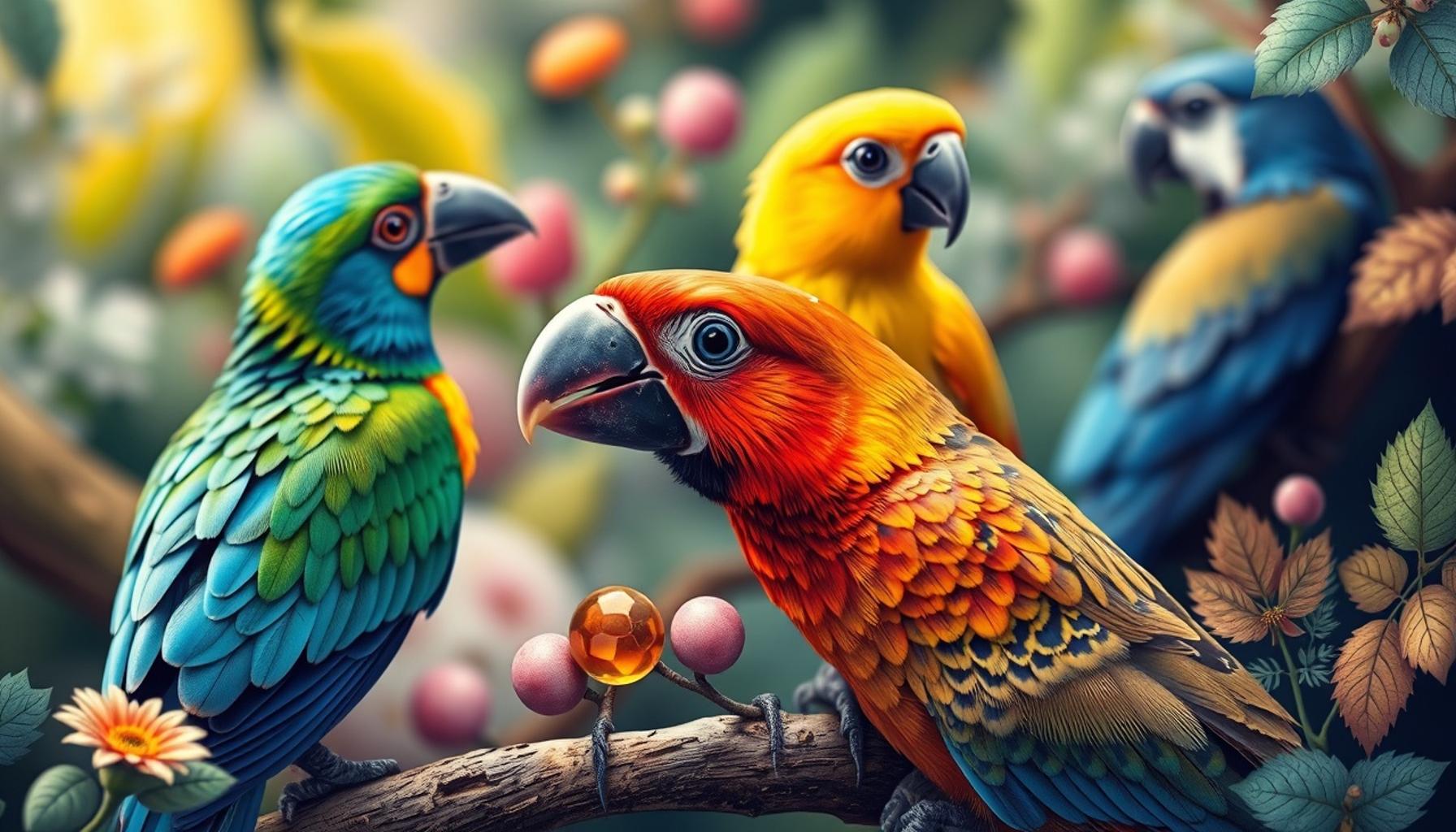
Exotic Species as Pets: What to Know Before Adopting
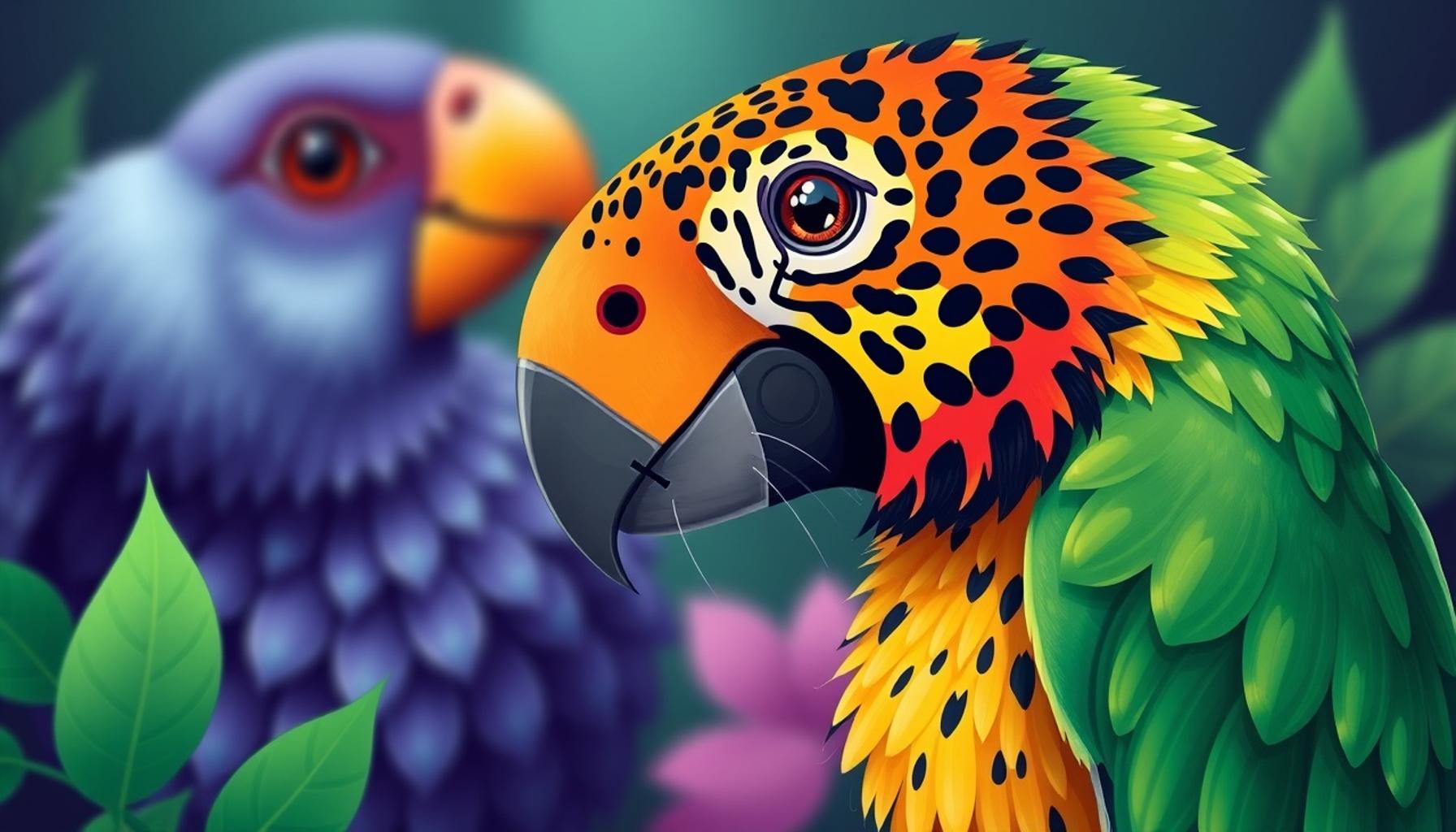
Exotic Species as Pets: Understanding the Commitment
Adopting a pet can be one of the most fulfilling decisions in life, bringing joy, companionship, and an array of responsibilities. While many opt for the traditional choices of cats and dogs, an increasing number of individuals in the United States are drawn to exotic species. These unconventional pets, which can range from ferrets to reptiles, offer unique companionships that can be both exhilarating and demanding. However, it is crucial for prospective owners to understand the extensive commitments and challenges associated with these creatures.
What to Consider Before Adopting
- Legal Regulations: The first and foremost step in considering an exotic pet is understanding the local laws. Specific species may be illegal to own or may require special permits in certain states. For example, in California, the ownership of hedgehogs is prohibited, while in Florida, owning a Macaw might come with stringent regulations. Always conduct thorough research to avoid legal complications and ensure compliance.
- Habitat Needs: Exotic pets are not merely miniature versions of common pets; they often require specialized habitats. For instance, reptiles typically need terrariums that mimic their natural environments, complete with basking lamps and humidity controls. An arboreal snake needs vertical space, while a parrot thrives in an environment that encourages flight and foraging. Potential owners must assess whether they can provide these tailored living conditions.
- Dietary Requirements: The nutritional needs of exotic species can be complex and vary widely from those of common pets. For example, a bearded dragon may require a diet rich in insects and leafy greens, while a macaw thrives on a blend of pellets, fruits, and nuts. Failure to meet these dietary requirements can lead to health issues, increased veterinary bills, and a diminished quality of life for the pet.
One significant aspect to consider is the lifespan and behavioral traits of exotic species. Iguanas and parrots can live for 10 to 50 years or more, requiring a long-term commitment that can significantly impact your life choices. Understanding the behavioral characteristics of these animals is equally important. For example, a parrot’s natural inclination to scream and seek interaction can be overwhelming for inexperienced owners. A thorough understanding of these traits can help you avoid common pitfalls and ensure both owner and pet are fit and happy.
Is an Exotic Pet Right for You?
Before you take the plunge into exotic pet ownership, immersing yourself in research is essential. Attend local exotic pet expos, where you can meet dealers and owners alike, providing a firsthand look at what these animals require. Online forums and social media groups can also serve as valuable resources for advice, tips, and shared experiences. Speaking to veterinarians who specialize in exotic animals will offer insights into their care and health management.
In summary, owning an exotic pet can be a rewarding venture if approached with the right knowledge and preparation. It is vital to weigh the pros and cons thoughtfully. With thorough research, an informed decision can lead to an enriching companionship that stands the test of time.
DISCOVER MORE: Click here to learn about cat social behaviors
The Responsibilities of Exotic Pet Ownership
When contemplating the adoption of an exotic species, it’s imperative to grasp the depth of responsibility that accompanies these unique pets. Owning an exotic animal often differs significantly from caring for more traditional pets in various aspects—commitment, lifestyle changes, and the necessity for specialized knowledge.
Understanding Lifespan and Commitment
Before adopting, potential owners should look into the lifespan of the species in question. Exotic pets frequently have lifespans that can far exceed those of dogs or cats. Some species, such as tortoises and parrots, can live for several decades, require long-term dedication, and may affect life plans, such as travel and housing arrangements. For example, a Sulcata tortoise can live up to 70 years, demanding a sustained commitment that not all might be prepared to fulfill.
Behavioral Traits and Interaction Needs
Every exotic animal has its own behavioral traits that can significantly influence their care and the owner’s lifestyle. Understanding these characteristics is essential to ensuring a harmonious relationship. Some examples include:
- Social dogs: Unlike traditionally affectionate pets, many exotic animals, such as sugar gliders, require substantial social interaction and mental stimulation. They may bond closely with their owners, forming strong attachments and requiring daily interaction.
- Instinctive behaviors: Species like ferrets are known for their playful antics and curiosity. However, their natural tendencies towards burrowing or tunneling may require owners to childproof their home effectively.
- Communication styles: Animals such as parrots are known for their vocalizations, which can range from delightful mimicking to loud squawking. Owners need to be ready for the potential noise pollution, which can be overwhelming if not managed properly.
The Need for Specialized Care
Adopting an exotic species also requires an understanding of their specialized care techniques. Unlike cats and dogs, which essentially thrive on general pet care, exotic animals often have unique needs that necessitate research and expertise. For instance, many reptiles require specific temperature gradients to thrive, while amphibians might need a humidity-controlled environment. Maintaining these conditions can be more demanding than anticipated, involving consistent monitoring and adjusting of habitat specifications.
Moreover, the vet care for exotic pets can also differ significantly. Finding a veterinarian well-versed in exotic animals may pose an additional challenge, particularly in rural or less populated areas. It’s critical to ensure that not only is the animal’s health monitored, but also that proper nutrition is provided, aligning with their specific dietary requirements.
Emotional Considerations
Lastly, it’s essential to recognize the emotional investment required when adopting an exotic pet. These animals often display unique affinities and can form profound bonds with their owners, much like a dog or cat. However, such relationships can expose owners to emotional challenges as well, particularly when considering the longevity of the pet’s life and their peculiarities. Potential owners must be prepared not just to care for these creatures physically, but to understand and nurture their emotional and psychological well-being over an extended commitment.
Adopting an exotic species can undoubtedly elevate the experience of pet ownership to exhilarating new heights. However, it’s pivotal to approach the decision with thorough knowledge and understanding, paving the way for potentially life-changing companionship.
| Category | Key Features |
|---|---|
| Legality and Ethics | Understanding local laws surrounding exotic pet ownership is crucial. Many species are protected under wildlife laws or require specific permits for ownership. |
| Unique Requirements | Exotic pets often have specialized care needs, including unique diets, specific habitat conditions, and socialization methods. Failure to meet these can lead to health issues. |
Adopting an exotic pet can be a fascinating journey into the world of unique and lesser-known species. However, it is essential to consider the complete picture, including aspects like the legality of ownership and the distinct care that these animals require. One crucial factor is the legality and ethics surrounding these animals. Many exotic species are protected by local and international laws designed to prevent their exploitation in the pet trade. Understanding the regulations in your area is not only essential for responsible ownership but also helps in preserving these wonderful creatures in their natural habitats.Moreover, exotic pets come with unique requirements that significantly differ from those of more common pets such as dogs and cats. For instance, specific species may need varied nutrition or specific environmental settings that mimic their natural habitat. Therefore, thorough research and preparation are critical to ensuring a healthy and fulfilling life for your new companion. By exploring these aspects in detail, potential adopters can make informed decisions and embrace the rewards of sharing their lives with incredible exotic species.
DISCOVER MORE: Click here for insights on natural nutrition
Legal Considerations and Ethical Implications
Before committing to the adoption of an exotic species, it’s crucial to understand the legal considerations surrounding the ownership of such animals. Regulations can vary significantly from one state to another within the United States, and potential owners must be aware of these variations to ensure compliance with local laws. For example, species like certain snakes, large lizards, and primates may be tightly regulated or outright banned in some jurisdictions.
Permits and Regulations
Some states require specific permits for owning exotic pets, while others strictly prohibit the possession of particular species due to public safety concerns or ecological impact. For instance, Florida has strict regulations governing the ownership of reptiles and non-native mammals, primarily aimed at protecting local wildlife and ecosystems. Engaging in illegal ownership can lead to hefty fines and the potential seizure of the animal, causing distress for both the owner and the pet. Therefore, researching local laws regarding exotic pets is an essential step before considering adoption.
Ethical Considerations
Beyond legal ramifications, potential exotic pet owners should weigh the ethical considerations involved in adopting animals from the wild or breeding facilities. Many exotic species face threats from habitat loss, poaching, and illegal trade. By purchasing an exotic animal, one may inadvertently support unethical breeding practices or contribute to the decline of wild populations. That’s why it is vital to seek reputable breeders or legitimate adoption sources, such as rescue organizations focusing on exotic animals in need of homes. Ensuring the source of your pet supports ethical practices is an important factor in responsible ownership.
Conservation Impacts
Additionally, adopting an exotic pet can have wider implications for conservation efforts. Some species, when kept as pets, might shift public perception, focusing attention on their plight in the wild. For example, the popularity of keeping sugar gliders has sparked interest in their conservation, but it also necessitates sustainability in their availability. Understanding how your adoption may affect conservation efforts can give valuable context to the significance of responsible ownership.
Social Considerations and Community Responsibilities
Owning an exotic species is not just a personal affair; it also entails a degree of social responsibility. Exotic pets interact with their environment and can influence community dynamics, such as interactions with neighbors and local wildlife. For instance, if a snake or lizard escapes into a neighborhood, it may incite fear or harm local ecosystems. Moreover, the behavior of some species may not be well understood by the general public, leading to misunderstandings or misconceptions about exotic animal husbandry. As a result, it’s essential for owners to engage with their community, educating others about their pets and promoting a better understanding of exotic species.
Owning an exotic pet can enrich one’s life with unique experiences and profound bonds. Yet, it is incumbent upon prospective owners to navigate the legal landscape, consider ethical implications, understand conservation impacts, and demonstrate social responsibility while fostering an informed and supportive environment for both their exotic pets and their communities.
DISCOVER MORE: Click here to learn about the role of supplements in pet nutrition
Conclusion
In summary, adopting exotic species as pets is a complex decision laden with numerous factors that prospective owners must carefully evaluate. Understanding the intricate legal framework that governs exotic pet ownership can prevent potential troubles, such as fines or confiscation of the animal. Engaging in thorough research on species-specific regulations and obtaining the necessary permits is a critical first step.
Moreover, the ethical considerations surrounding the adoption of exotic animals cannot be overstated. Opting for a reputable breeder or a responsible rescue organization can help ensure that your decision does not contribute to the decline of wild populations or unethical treatment of animals. By acknowledging this responsibility, you can actively participate in conservation efforts while enjoying the companionship of your exotic pet.
Furthermore, it’s essential to recognize the social implications and community responsibilities that come with owning an exotic species. Awareness of how your pet may affect neighbors and local ecology will not only promote harmony within your community but also foster positive relationships and a deeper understanding of exotic animals.
Ultimately, while the allure of exotic pets is undeniable, the commitment to responsible ownership presents a wealth of rewards, not just for the owner but for the broader ecosystem. As you embark on your journey toward pet ownership, remember that informed decisions lead to enriching lives—for both you and your future companion. The world of exotic pets is vast and varied; exploring it with knowledge and care can benefit the animals that share our homes and the planet we all inhabit.