How to Prepare Your Home for the Arrival of an Adopted Pet: Essential Safety and Comfort Tips
Welcoming a New Companion
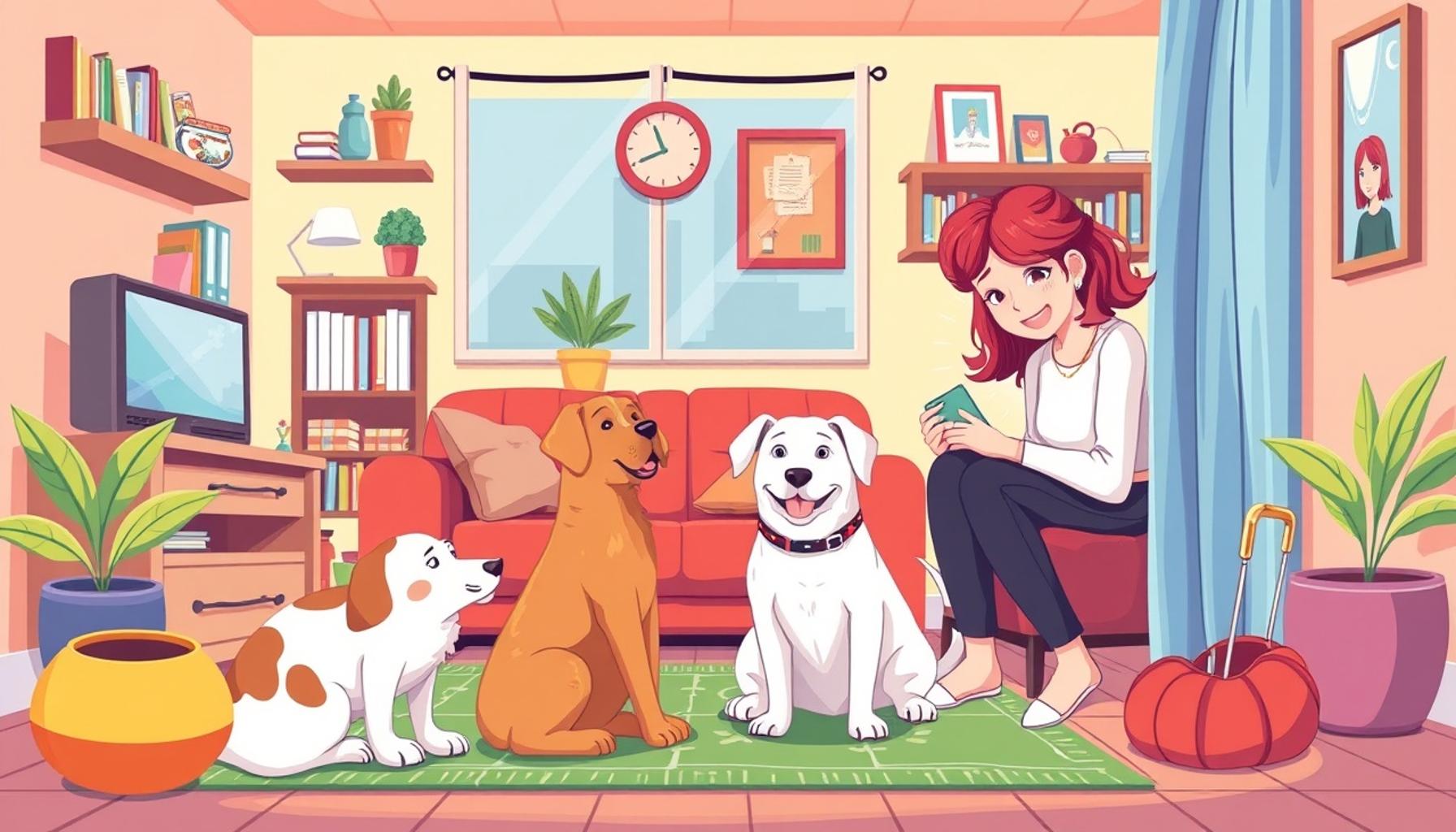
Bringing home an adopted pet is an exciting journey filled with anticipation and joy. However, this transition requires thoughtful preparation to ensure a safe and comforting environment for your new furry friend. Adopting a pet is not just about providing them with a home; it’s about integrating them into your family and understanding their unique needs.
Before your new pet arrives, consider the following essential steps:
- Pet-proof your space: Just like baby-proofing a home for a toddler, pet-proofing involves removing hazardous items that could harm your pet. This includes toxic plants such as lilies and azaleas, dangerous cleaning supplies like bleach and ammonia, and small objects that could pose choking hazards, such as coins, rubber bands, or even small toys. Additionally, make sure that all electrical cords are secured and out of reach, as pets often love to chew.
- Create a designated area: Setting up a dedicated space is crucial for helping your new pet acclimate. This cozy spot should include a comfortable bed, food, and water bowls. Consider using a crate for dogs, which can serve as a safe haven for them when overwhelmed. For kittens and cats, a quiet corner with a soft blanket can help to ease their transition. Including a few toys can spark curiosity and promote playfulness, enhancing their comfort level.
- Secure your home: Many pets are natural explorers and can easily find their way out of your home if not secured properly. Inspect your yard for gaps in fences or loose boards that could allow a curious pet to escape. Similarly, check that windows are securely locked and that screens are intact to prevent accidental falls, especially for cats, who may be tempted to leap at the sight of a bird or squirrel.
Understanding your pet’s unique needs is vital. For instance, a lively puppy might thrive on structured playtime and training, while an older dog may appreciate a slower pace and gentle walks. Likewise, a shy kitten may need time to adjust, so giving them a space away from the hustle and bustle initially can help them feel secure and explore at their own pace. Keep in mind that adopting a pet is not merely about meeting their physical needs but also addressing their emotional well-being.
By taking the time to prepare your home effectively, you are not only making your pet’s transition smoother but also laying the groundwork for a long and happy relationship. As you prepare to welcome your new companion, consider the emotional, physical, and psychological aspects of their journey. Stay tuned as we delve deeper into practical tips to enhance both comfort and safety in the upcoming sections.
INTERESTED IN ADOPTING? Click here for essential tips
Creating a Safe and Welcoming Environment
Once you have established a clear understanding of your new pet’s needs, the next step involves transforming your home into a safe and welcoming environment. The safety and comfort of your adopted pet should be your top priority, as a well-prepared space can significantly ease their anxiety during this important transition.
One of the critical elements of creating a secure atmosphere is identifying potential hazards that could pose risks to your pet’s well-being. For example, everyday household items can be surprisingly dangerous, especially for curious pets. Here are some common household items to watch for:
- Medications: Ensure that prescription and over-the-counter medications are stored securely, out of the reach of your new pet. Inquisitive pets may mistakenly ingest pills, which can lead to severe health issues.
- Food: Many foods that are common in our diets, such as chocolate, grapes, and onions, are toxic to pets. Keep all food items securely stored in cabinets or sealed containers.
- Household Cleaners: Most cleaning supplies contain harsh chemicals that can be harmful or even fatal if ingested. Consider switching to pet-safe cleaning products or storing traditional cleaners in high cabinets.
- Small Objects: Items such as coins, batteries, and even small parts from toys can become choking hazards, so it’s best to keep such objects safely tucked away.
In addition to removing hazardous items, creating a comfortable ambiance can help your pet feel more at ease. Remember that newly adopted pets may experience stress as they acclimate to their new surroundings. Incorporating elements that promote relaxation and comfort can be incredibly beneficial. Here are a few suggestions to enhance your pet’s comfort:
- Soft Bedding: Providing a soft, cozy bed designed for your pet’s size is essential. A familiar scent from their previous environment can also help ease the adjustment.
- Familiar Objects: If possible, have some items or toys from their previous home. Familiar smells can be soothing and transform their new space into one that feels less intimidating.
- Calm Environment: Low lighting and soothing sounds, such as soft music or white noise, can help create a comforting atmosphere, further easing the transition.
Additionally, it’s critical to set boundaries and establish house rules from the outset. This approach not only provides structure but also reassures your pet that they can navigate their new environment safely. For instance, you might decide which areas of your home will be off-limits or develop routines around eating and playtime. Consistency is key, as it fosters trust and stability, allowing your new pet to feel more secure.
By taking these proactive steps to ensure safety and comfort, you’ll be well on your way to establishing a nurturing home for your adopted companion. Remember, the goal is to create an environment that promotes happiness not just for your pet but for your entire family.
| Safety Measure | Description |
|---|---|
| Secure Hazardous Items | Ensure all cleaning supplies, medications, and sharp objects are out of reach. This prevents accidental ingestion or injury to your new pet. |
| Create a Safe Zone | Set up a designated area with a comfortable bed, food, and water to help your adopted pet feel secure and acclimate to their new environment. |
| Pet-proof Your Home | Block off access to stairs and other unsafe areas. Use baby gates and remove items that could be knocked over or damaged during playtime. |
| Foster an Inviting Atmosphere | Add cozy blankets and toys to engage your pet’s senses. Familiarizing them with different textures will promote a sense of comfort and safety. |
Now that your home environment is set up, the next step involves understanding your pet’s individual needs. Every adopted animal comes with its unique background and temperament. It’s crucial to observe their behaviors and adjust your approach accordingly. For example, a timid pet may require gentle coaxing and patience, while an active one may need more physical stimulation. Always give them space when they seem overwhelmed, allowing them to explore at their own pace.You should also consult your veterinarian for tailored advice regarding health and nutrition. A detailed discussion about the best food options and preventive health care will set a solid foundation for your pet’s well-being. Consider their breed, age, and activity level when selecting food or a scheduled vet check.Additionally, gradually introduce your adopted pet to various areas of your home and the family members living there. Proper introduction techniques will reduce anxiety and promote bonding. Furthermore, ensure that the family is on the same page regarding the rules and routines for interacting with the new pet. Consistency is key in establishing trust and comfort.
DISCOVER MORE: Click here to learn about cat interactions
Preparing Your Home with Essential Supplies
In addition to creating a safe and inviting environment, preparing for the arrival of your adopted pet means gathering the essential supplies they will need. Proper preparation not only ensures that your home is equipped for their immediate needs but also helps facilitate a smoother transition into their new space. Here’s a list of must-have items to consider:
- Food and Water Bowls: Invest in quality, easy-to-clean food and water dishes. Stainless steel or ceramic bowls are durable options that can withstand wear and tear. Ensure that the bowls are appropriately sized for your pet, and consider a spill-proof design to maintain a tidy area.
- High-Quality Pet Food: Consult with your veterinarian or the shelter to determine the best type of food for your pet’s specific needs. Whether they are a puppy, adult, or senior pet, providing a well-balanced diet is crucial for their health. It’s wise to gradually transition them to a new food to protect their digestive systems.
- Collar and Leash: A collar with an ID tag is essential, as it can aid in recovering your pet if they were to escape. A sturdy leash will not only help with walks but also promote safety during training sessions.
- Crate: A crate can serve as a safe haven for your pet, providing a personal secure space while aiding in house training. Choose a crate that is large enough for your pet to stand, turn around, and lie down comfortably. Make it cozy with soft bedding and toys.
- Pet Toys: Engaging toys are vital for keeping your pet mentally stimulated and physically active. Look for toys that are designed for their size and age to prevent choking hazards. Interactive toys can further promote bonding and exercise with your new furry friend.
It’s equally important to consider your new pet’s grooming needs. Regular grooming can improve your pet’s comfort and help manage shedding and allergens in your home. Here’s what to keep in mind:
- Brushes and Combs: Depending on your pet’s coat type, invest in suitable grooming tools. Regular brushing helps remove loose fur, dirt, and tangles, contributing to their overall health and hygiene.
- Nail Clippers: Keeping your pet’s nails trimmed is essential for their comfort and safety. Overgrown nails can lead to painful walking or even cause injury. If you’re unsure how to do this safely, consider seeking guidance from a professional groomer or veterinarian.
- Shampoo: When selecting a shampoo, opt for gentle formulas specifically designed for pets. This ensures that their skin remains healthy and irritation-free. Regular baths can also help in maintaining a clean home.
Understanding Your Pet’s Behavioral Needs
As you prepare for your new arrival, it’s crucial to consider your pet’s behavioral needs. Every animal has its quirks, and understanding these behaviors can greatly enhance your relationship. Providing adequate physical and mental stimulation is at the core of keeping your pet engaged and happy. Here are some activities to incorporate into your routine:
- Daily Exercise: Depending on the breed and age of your pet, daily exercise can vary. Dogs generally require regular walks and playtime, while cats may enjoy interactive play sessions. An exercise routine is vital for curbing anxiety and promoting a healthy lifestyle.
- Training Sessions: Positive reinforcement training can strengthen the bond between you and your pet while instilling good behaviors. Short, fun sessions can help reduce anxiety and ensure your pet is well-adjusted to their new environment.
- Socialization Opportunities: Introducing your pet to a variety of new experiences, people, and other animals can help them feel more secure and reduce fear-based behaviors. Gradually exposing them to different environments and social situations is essential, especially during their initial days at home.
By gathering the necessary supplies and being mindful of your pet’s behavioral needs, you are not just preparing your home but creating a foundation for a joyful companionship that will flourish over time. Maximizing both safety and comfort will allow your new pet to feel not only welcomed but truly at home.
DISCOVER MORE: Click here to learn about natural feeding for your cat
Conclusion: Creating a Loving Home for Your Adopted Pet
Welcoming an adopted pet into your home is an exciting journey filled with the promise of companionship and joy. By meticulously preparing your environment, you establish not only a safe haven but also a nurturing space where your new family member can thrive. Remember, the transition into a new home can be overwhelming for pets, especially those who may have experienced instability in the past. Therefore, attention to essential safety measures and comforting supplies is paramount in helping them acclimate.
From investing in high-quality food and water bowls to selecting appropriate toys that foster engagement, each step you take sets the tone for a positive experience. Moreover, understanding their grooming and behavioral needs—such as regular training and exercise—ensures that your pet receives the love and care they deserve. It’s also essential to keep their psychological well-being in mind; providing opportunities for socialization and mental stimulation will greatly enhance their adjustment process.
As you embark on this new chapter, keep in mind that building a bond with your pet takes time, patience, and love. Each moment spent with them, whether through play, training, or quiet companionship, enriches both your lives. Embrace this transition as an opportunity to learn and grow together, ensuring that your home truly becomes a sanctuary of safety and comfort for your new pet. Ultimately, the joy they bring will far outweigh the challenges, creating memories that last a lifetime.