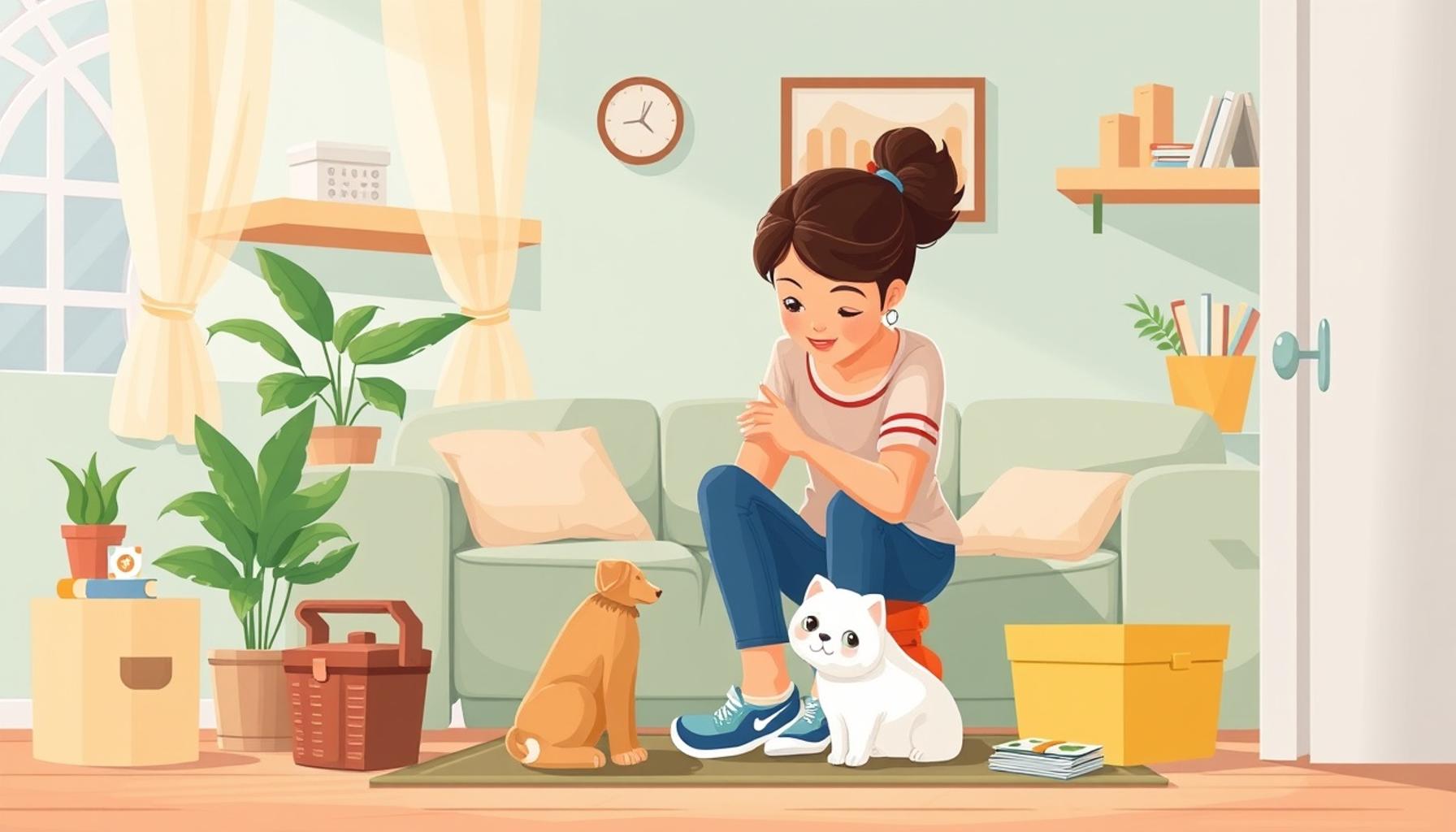
How to Prepare Your Home for the Arrival of an Adopted Pet: Practical and Essential Tips
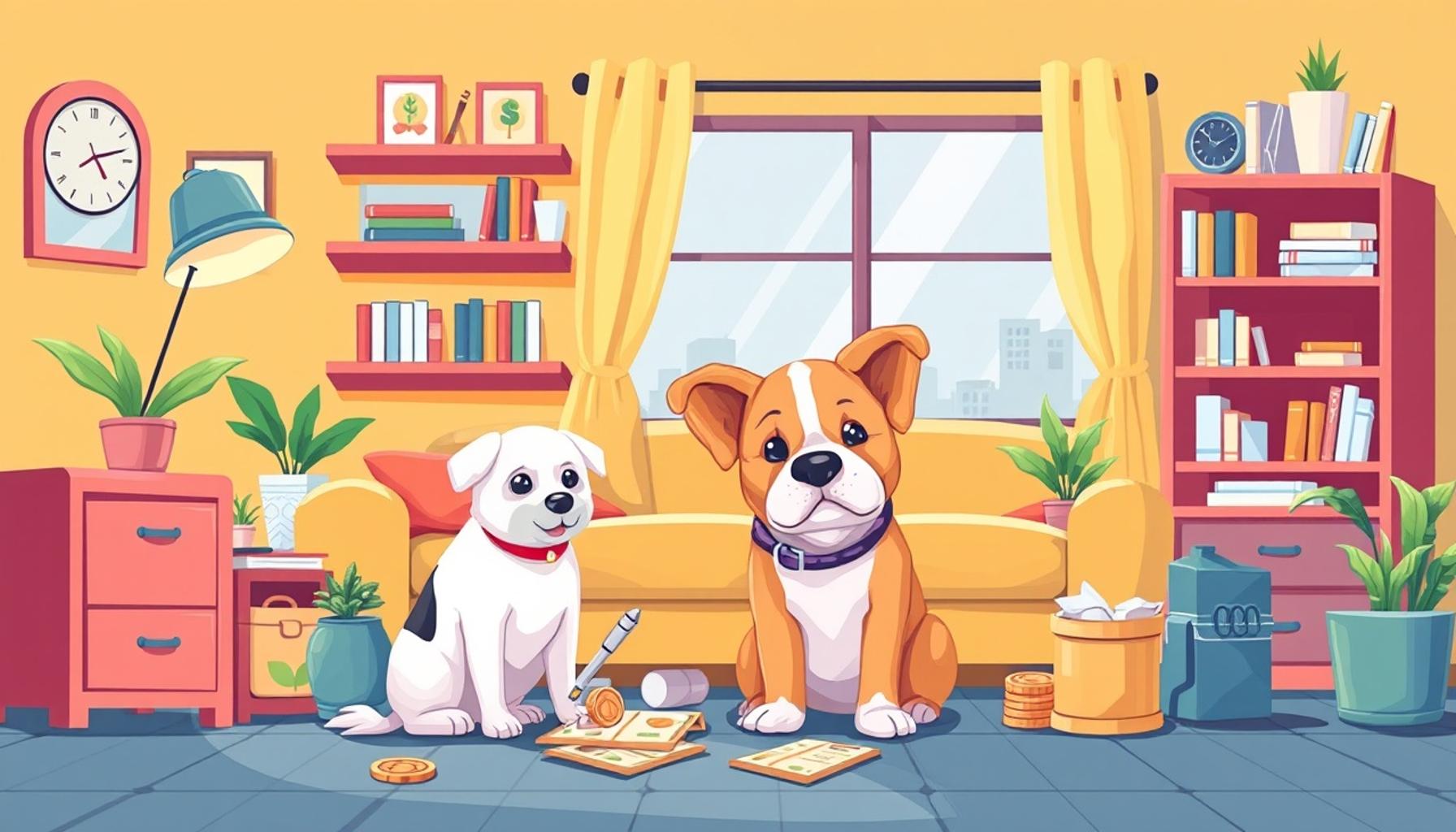
Welcoming a Furry Friend
Bringing an adopted pet into your home is an exciting journey filled with love and companionship. However, it’s essential to ensure your living space is ready for this new addition. A little preparation can make all the difference for both you and your furry friend.
Understanding Your Pet’s Needs
Before your new pet arrives, it’s crucial to consider their specific needs. Different animals come with distinct requirements such as:
- Space – Ensure there’s plenty of room for them to move around comfortably. For instance, a large dog will need more space to roam than a smaller breed, and cats, depending on their personality, may require vertical space such as shelves or cat trees.
- Safety – Remove any hazardous items or toxic plants that could harm your pet. Common household plants like lilies and philodendrons can be toxic to cats and dogs, which is why it’s essential to identify and safely store any that could pose a risk.
- Comfort – Create a cozy space with a bed, toys, and bedding that suits your pet’s preferences. For example, dogs often appreciate a plush dog bed that gives them a sense of security, while cats might prefer a quiet corner with soft blankets.
Preparing Your Home Environment
To help ease the transition for your new pet, consider the following practical steps:
- Secure all loose items that they could break or chew on. Pets, especially puppies and kittens, are curious creatures and can easily destroy or ingest small objects that might harm them.
- Establish a routine for feeding, exercise, and playtime. Predictability in their daily schedule helps pets feel more secure. For instance, feeding your dog at the same time each day fosters a sense of stability and improves their behavior.
- Invest in essential supplies such as food, water bowls, and training materials. Having the correct food tailored to your pet’s dietary needs is paramount. For example, dogs may require special diets based on their age, breed, and health conditions, while cats often need a diet rich in protein for their overall health.
By addressing these key factors, you set a foundation for a smooth adaptation period. Preparing your home is not just about physical adjustments; it’s about creating a welcoming atmosphere that fosters trust and comfort for your new companion. Remember, building a bond takes time; patience is essential as your pet learns to navigate their new environment. The first few weeks are critical in establishing routines and understanding each other’s habits, setting the stage for a lifelong friendship that enriches both your lives.
DISCOVER MORE: Click here to learn about pet bird care
Creating a Safe Haven
Setting up your home for an adopted pet goes beyond the mere act of purchasing supplies; it involves creating a nurturing environment tailored to their unique needs. Understanding how to prepare your space can significantly enhance your pet’s comfort and well-being upon their arrival.
Essential Supplies for Your New Pet
Having the right supplies not only makes your life easier, but it also ensures that your new pet feels comfortable and cared for. Here are some essential items you should stock up on prior to their arrival:
- Food and Water Bowls: Invest in sturdy, spill-proof bowls that are easy to clean. Choose the appropriate size based on your pet’s breed. For instance, larger dog breeds may require bigger, heavy-duty bowls to prevent them from tipping over.
- Food: Research the best dietary options based on your pet’s age, breed, and specific health requirements. Your veterinarian can help guide you in choosing the right food that meets their nutritional needs.
- Leashes and Collars: For dogs, a sturdy leash and a comfortable collar with an ID tag are necessities for walks and identification. For cats, consider a harness if you plan on taking them outside.
- Grooming Tools: Depending on the breed and type of pet, grooming can vary. Basic tools may include brushes, nail clippers, and shampoos appropriate for your pet’s fur type.
- Toys: Offering a variety of toys can keep your pet engaged and mentally stimulated. Choose a mix of chew toys, interactive toys, and comfort items such as stuffed animals.
- Bed or Crate: Providing a designated sleeping area is vital for your pet’s sense of security. Opt for a cozy pet bed or a crate that feels safe and inviting to them.
Establishing a Routine
Once you have secured the essential supplies, the next step in preparing for your new companion involves establishing a daily routine. Pets thrive on structure, and a predictable schedule can aid in their adjustment.
- Feeding Times: Set specific times for meals to help acclimate your pet to their new home. This routine fosters a healthy relationship with food and prevents behavioral issues.
- Exercise and Play: Allocate regular times each day for walks or play sessions. Not only does this contribute to their physical health, but it also strengthens the bond between you and your pet.
- Training Sessions: Incorporate basic training into your daily routine. Consistency is key when teaching commands or leash etiquette, helping your pet understand expectations in their new home.
By investing in these essential supplies and establishing a routine, you lay the groundwork for a positive start to your life together. With each thoughtful adjustment and consideration, you not only prepare your home but also embrace the opportunity to build a strong and loving relationship with your new furry friend.
| Category | Description |
|---|---|
| Safety Measures | Evaluate your home for potential hazards. Remove toxic plants, secure loose wires, and ensure that windows and balconies are pet-proof. |
| Personal Space | Create a comfortable area for your new pet. This can include a cozy bed, toys, and food and water bowls, making it welcoming and familiar. |
When preparing your home for an adopted pet, it’s imperative to consider safety measures. Pets, especially when adjusting to a new environment, can be curious and playful, often leading them into dangerous situations. By evaluating your home, you can identify potential hazards. For instance, some common household plants are toxic to pets, while loose wires can pose a strangulation risk. Ensuring windows and balconies are secure is also crucial, as pets can easily escape or accidentally fall.Another essential aspect is to establish a personal space for your new companion. This helps them feel secure and comfortable in their new environment. Providing a designated spot with a cozy bed, engaging toys, and easy access to food and water will assist in the transition. Familiarizing your adopted pet with their space will reduce anxiety and foster a sense of belonging, which is fundamental in the initial adjustment phase.The excitement of adopting a new pet also comes with responsibilities that, while extensive, form a solid foundation for a rewarding relationship. By considering these important factors, you’ll be well on your way to welcoming your new furry friend into a safe and loving home.
DIVE DEEPER: Click here to discover how nutrition influences pet behavior
Designing an Inviting Space
Creating a welcoming atmosphere for your newly adopted pet can significantly enhance their adjustment. This not only involves physical arrangements but also emotional considerations that help your pet feel safe and loved. A little planning can go a long way in ensuring a smooth transition.
Pet-Proofing Your Home
Before your pet arrives, it’s vital to conduct a thorough inspection of your home for potential hazards. Pet-proofing is an essential part of preparing your environment to keep both your pet and your belongings safe. Here are some key areas to focus on:
- Secure Electrical Cords: Pets are naturally curious, and they may chew on cables and cords which can pose a serious risk. Use cord organizers or covers to minimize access and secure your cables against walls or furniture.
- Lock Away Harmful Substances: Chemicals, medications, and cleaning supplies should be stored in high cabinets or locked away. Make sure to familiarize yourself with common household plants that may be toxic to pets, such as lilies or philodendrons.
- Remove Small Objects: Items such as coins, rubber bands, and small toys can be choking hazards. Perform a sweep of your living spaces to remove these hazards, particularly in areas where your pet may roam freely.
- Baby Gates: If you have areas in your home that you want to restrict access to, such as staircases or certain rooms, consider installing baby gates to keep your pet safe while still allowing them to explore their new surroundings.
Creating Comfort Zones
In addition to safety, your pet needs secure spots where they can retreat when feeling anxious or overwhelmed. Establishing comfort zones is especially important for newly adopted pets who may require time to adapt to their new environment.
- Designated Safe Space: Create a calm area where your pet can unwind, complete with their bed, favorite toys, and perhaps a blanket. This can be a quiet corner of your living room or a separate room that feels cozy and secure.
- Familiar Scents: Introducing familiar scents can be a comforting factor for your new pet. Consider using a blanket or toy that has their scent, or even one that smells like you, to create a sense of belonging.
- Minimize Noise: New pets can be particularly sensitive to loud noises. If possible, reduce noise levels in your home by using rugs to dampen sound, playing soft music, or closing windows to minimize outside disturbances during their initial adjustment period.
Introducing Your New Family Member
The first meeting between your adopted pet and your family may set the tone for your new life together. It’s crucial to facilitate positive introductions to ensure everyone feels comfortable.
- Gradual Introductions: Start with short, supervised interactions and gradually increase the duration as your pet becomes more comfortable. This allows them to explore their new family dynamics at their own pace.
- Teach Family Members: Educate your family about proper interaction protocols, such as not approaching the pet too quickly or overwhelming them with attention. Encourage gentle petting and calm voices when interacting.
- Treats and Positive Reinforcement: Use treats to create positive associations with new experiences and people. Reward your pet during these introductions to encourage good behavior and help them feel more at ease.
By pet-proofing your home, creating comfort zones, and facilitating thoughtful introductions, you provide a nurturing environment that allows your adopted pet to thrive. Thoughtfulness and preparation can significantly enhance the bond you share and help your pet integrate seamlessly into your family life.
LEARN MORE: Click here to discover how nutrition impacts your pet’s well-being
Creating the Perfect Environment for Your New Pet
Welcoming a new pet into your home is much more than just bringing an animal through the front door; it’s about creating a nurturing environment where they can thrive. One of the most significant steps to consider is pet-proofing your home. This means identifying potential hazards that could harm your new furry friend, such as electrical cords, toxic plants, or small objects that they could swallow. By removing these dangers or securing them out of reach, you create a safer sanctuary for your pet to explore and feel at ease.
Establishing comfort zones is another vital aspect of easing your pet’s transition. Designate a quiet area in your home equipped with a cozy bed, toys, and some comforting items that smell like you, such as an old t-shirt. This space should be away from the hustle and bustle of daily activities, allowing your new companion to retreat when they need to relax. Cats, for example, may prefer high perches, while dogs often appreciate a soft nook in a living room where they can observe family interactions.
The Importance of Gentle Introductions
When introducing your new pet to family members or other existing pets, a gradual approach is crucial. Taking the time to slowly familiarize them with their new environment and the people in it can significantly reduce anxiety for everyone involved. Use positive reinforcement techniques, such as treats and praise, to encourage good behavior. This can not only help establish trust but also foster a sense of belonging for your new companion.
Building a Relationship Through Routine and Patience
As you navigate this new chapter, it is important to remember that patience and consistency are foundational to building a strong bond with your adopted pet. Animals often thrive on routine, so establishing a regular schedule for feeding, playtime, and bathroom breaks can create a sense of stability. Pay attention to your pet’s unique cues—understanding whether they are feeling anxious, playful, or sleepy will help you respond to their needs more effectively.
Additionally, engaging with local resources can be immensely beneficial. Look for training classes, pet-friendly community events, or support groups in your area that allow you to connect with fellow pet owners. These avenues can offer valuable advice, new insights, and socialization opportunities that strengthen your pet’s overall well-being.
Embracing the Journey
Your journey as a pet parent can be one of life’s most rewarding experiences. The effort you put into ensuring your dog’s or cat’s comfort and safety will pave the way for a lasting bond. Embrace the joy of building a new relationship filled with love, companionship, and memorable moments. By taking these initial steps to prepare your home and your heart, you will not only enhance your pet’s life but enrich your own as well.