Creating a Relaxation Routine: Strategies for Effective Stress Management
Understanding Stress Management
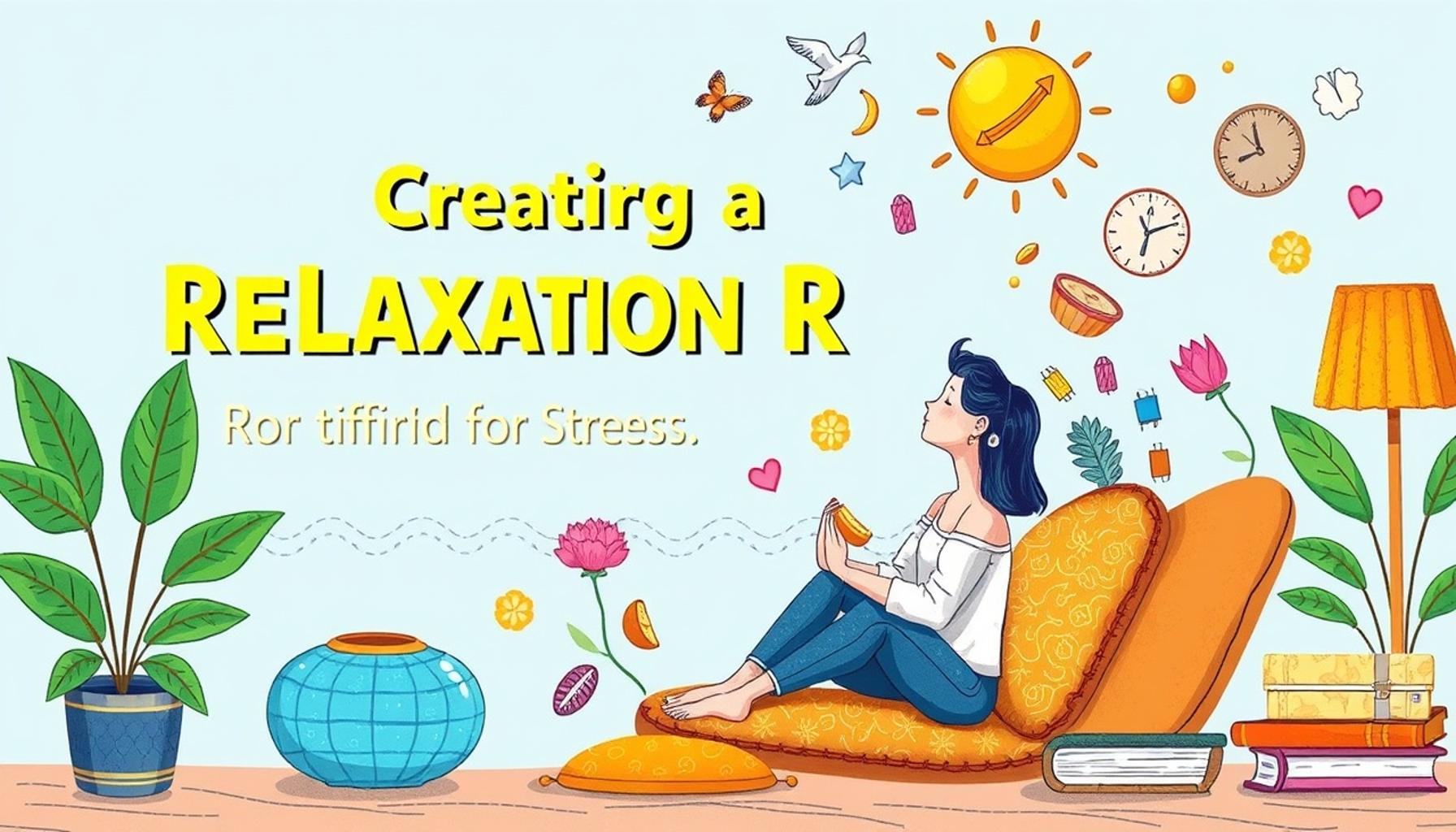
In today’s fast-paced world, managing stress effectively has become essential for maintaining well-being. Many individuals grapple with the pressures of work, family obligations, and countless distractions. Each day can feel like a race against the clock, where the need to juggle responsibilities can lead to overwhelming anxiety and discomfort. Understanding how to carve out time for relaxation can be a game-changer in your mental health journey.
Benefits of a Relaxation Routine
Implementing a solid relaxation routine can yield numerous benefits, such as:
- Improved mental clarity: Taking time to unwind enhances focus and cognitive function. For instance, studies have shown that incorporating short breaks throughout the day can significantly boost creativity and problem-solving skills. This mechanism allows the brain to reset, leading to sharper thinking when you return to tasks.
- Better emotional resilience: Regular relaxation helps reduce anxiety and promotes a positive outlook. Activities such as journaling or talking with a supportive friend can help process emotions, making it easier to face life’s challenges without feeling overwhelmed.
- Boosted physical health: Stress management can lead to lower blood pressure and improved sleep quality. For example, research indicates that individuals who practice relaxation techniques, such as progressive muscle relaxation, often experience a significant improvement in sleep-related issues, allowing them to wake up feeling refreshed and energized.
Creating an Effective Routine
So, how do you create an effective relaxation routine? There are several strategies that can be tailored to fit your lifestyle:
- Mindfulness practices: Incorporating meditation or deep-breathing exercises can ground your thoughts. Mindfulness meditation, for instance, involves focusing on the present moment and acknowledging thoughts without judgment, which can cultivate a sense of calm amidst chaos.
- Physical activities: Engaging in yoga, walking, or even dancing can release tension. Physical movement is not just beneficial for the body; it also triggers the release of endorphins, the body’s natural stress-relievers, contributing to an overall sense of well-being.
- Scheduled downtime: Prioritizing breaks and downtime in your schedule promotes balance. Ensuring that there are specific times in your day dedicated solely to relaxation can help set boundaries, making it easier to separate work from personal time. For example, setting a timer for 10 minutes in the afternoon to step outside can rejuvenate your mind and make a noticeable difference in your productivity.
Consistency is Key
The key lies in consistency. Establishing a personalized routine not only combats stress but also allows you to reconnect with yourself. As you explore various methods, keep in mind that everyone’s journey to relaxation is unique. Take the time to identify which activities resonate with you. Whether it’s a calming cup of herbal tea in the evening or an energizing morning jog, discovering what works best for you will lead to a more fulfilling and less stressful life.
In a world filled with constant demands, creating moments of tranquility is not merely a luxury; it’s a vital component of maintaining health and happiness. The pursuit of relaxation is a journey worth undertaking, so start today and give yourself the gift of serenity and balance.
Effective Strategies for Crafting Your Relaxation Routine
Creating a relaxation routine is essential for effective stress management and can be tailored to meet individual preferences and lifestyles. Given the diverse range of activities available, it’s important to explore these options and identify what resonates with you personally. Here are several strategies that can significantly enhance your relaxation journey:
- Mindfulness Practices: Incorporating mindfulness meditation into your daily routine can greatly alleviate stress. This practice entails focusing your attention on the present, cultivating awareness of your thoughts and feelings without judgment. Research shows that just ten minutes of daily meditation can lead to reductions in anxiety levels, helping individuals develop a calmer mindset. Applications such as Headspace or Calm can provide guided sessions, making it easier to get started.
- Physical Activities: Engaging in physical activities is not only beneficial for overall health but also serves as an effective stress reliever. Regular exercise—whether through yoga, jogging, or dancing—helps release endorphins, commonly known as the “feel-good” hormones. A study published in the Journal of Health Psychology found that individuals who exercised regularly exhibited lower stress levels and improved mood. Creating a routine that includes at least 30 minutes of physical activity most days can create a powerful impact on your mental health.
- Nature Exposure: Spending time in nature has been linked to various mental health benefits. Research indicates that even a brief walk in a park can reduce feelings of anxiety and improve mood. Aim to incorporate outdoor activities into your routine, whether it’s a hike, a walk around your neighborhood, or simply enjoying a cup of coffee on your porch. Engaging with nature can serve as a natural balm, providing a much-needed escape from everyday stresses.
- Arts and Crafts: Exploring creative outlets, such as painting, drawing, or knitting, can also serve as a form of relaxation. Engaging in these activities allows for self-expression and provides a mental distraction from stressors. In fact, studies have shown that individuals who participate in arts and crafts report decreased levels of anxiety. Setting aside time each week for a creative project can foster a sense of accomplishment while providing a therapeutic experience.
- Digital Detox: In our technology-driven world, taking a break from screens can be incredibly refreshing. Limit social media exposure and designate specific times to disconnect from electronic devices. This digital detox can lead to improved mental clarity and lessen feelings of inadequacy often triggered by social media comparisons.
As you consider these strategies, remember that the best relaxation routine is one that feels comfortable and enjoyable for you. It may take time to discover the right mix of activities that effectively reduce your stress levels, but the journey toward creating a personalized relaxation routine can itself be a rewarding experience. Prioritizing self-care and relaxation is not just about reducing stress; it enhances your overall quality of life and allows you to approach challenges with renewed vigor and a clearer mind.
Creating a Relaxation Routine: Strategies for Effective Stress Management
In today’s fast-paced world, establishing a relaxation routine is essential for effective stress management. By integrating various relaxation techniques into daily life, individuals can enhance their well-being and cultivate a sense of calm amidst chaos. Here are some strategies to create an effective relaxation routine:
| Category | Key Features |
|---|---|
| Mindfulness Meditation | Encourages focus on the present moment, reducing anxiety and improving mental clarity. |
| Deep Breathing Exercises | Helps lower heart rates and promotes a sense of relaxation through controlled breathing. |
| Physical Activity | Releases endorphins, improving mood and reducing stress levels. |
| Progressive Muscle Relaxation | Involves tensing and relaxing muscle groups, alleviating physical tension associated with stress. |
Each of these strategies offers unique benefits, empowering individuals to choose ones that resonate with their personal preferences and needs. For instance, incorporating mindfulness meditation into a morning routine can set a positive tone for the day. Meanwhile, regular physical activity not only enhances physical health but also uplifts mental well-being, making it an invaluable part of any relaxation routine.
By committing to these practices, individuals can pave the way for lasting stress management and improved quality of life. The key is consistency; integrating these strategies into daily habits will yield significant benefits over time.
Enhancing Your Relaxation Routine: Additional Strategies for Stress Relief
In addition to the foundational strategies highlighted earlier, there are other versatile methods that can further bolster your relaxation routine and promote effective stress management. Each of these approaches offers unique benefits, allowing you to refine your practice and incorporate new experiences into your daily life.
- Breathing Techniques: Deep breathing exercises can serve as a powerful tool for stress reduction. Techniques such as diaphragmatic breathing or the 4-7-8 method encourage a natural shift from the body’s stress response to a more relaxed state. For example, the 4-7-8 technique involves inhaling deeply through the nose for a count of four, holding the breath for seven, and exhaling slowly through the mouth for a count of eight. This simple practice can help restore a sense of calm, especially in high-pressure moments.
- Aromatherapy: The use of essential oils can effectively enhance your relaxation routine. Research suggests that scents like lavender and chamomile can significantly lower stress levels and promote feelings of tranquility. Diffusing essential oils or incorporating them into a warm bath may create a serene environment that encourages relaxation. Consider creating a personalized scent blend that resonates with you to elevate your self-care rituals.
- Gratitude Journaling: Taking time to reflect on positive experiences can help shift your focus away from stressors. Maintaining a gratitude journal encourages you to identify and document moments of joy and connection, cultivating a more optimistic mindset. During periods of stress, revisiting these notes can remind you of the good in your life, providing an emotional anchor that helps mitigate anxiety.
- Structured Downtime: One effective method of stress management is to create structured downtime in your day. This means scheduling short breaks to engage in activities that rejuvenate you. These could involve reading a favorite book, practicing a hobby, or simply taking a moment to enjoy a cup of tea in silence. The structure helps prioritize relaxation amidst busy schedules, ensuring that you consistently dedicate time to unwind.
- Social Connections: Human connection plays a significant role in stress relief. Engaging with friends or family, whether through a casual meet-up or a phone call, can provide emotional support and help alleviate feelings of isolation. Participating in group activities, such as a class or club, can also facilitate social interaction and create a sense of community, which is essential for emotional wellbeing.
As you explore these additional strategies, it’s essential to remain open to experimentation. The goal is to develop a relaxation routine that not only fits your lifestyle but also resonates with your individual preferences. Perhaps integrating a blend of techniques, such as combining mindfulness practices with social or creative activities, will yield the most satisfying results. Stress management is a personal journey, and the flexibility to adapt your routine will ensure it remains effective in supporting your mental health.
Incorporating these diverse strategies into your relaxation routine not only equips you with tools to combat stress but also enhances your overall resilience. By taking intentional steps to prioritize relaxation and self-care, you can cultivate a lifestyle that is not only productive but also filled with peace and wellbeing.
Conclusion: Embrace the Journey of Stress Management
Creating a relaxation routine is an essential aspect of effective stress management that empowers individuals to navigate the challenges of daily life with greater ease and resilience. The strategies outlined throughout this article illustrate that stress relief is not a one-size-fits-all approach; rather, it is a deeply personal journey that invites exploration and adaptation. From breathing techniques that ground us to the soothing effects of aromatherapy, each method provides unique pathways to cultivate tranquility in our hectic lives.
Moreover, incorporating practices like gratitude journaling and structured downtime can transform the way we process stressors, while fostering social connections enriches our support systems, offering emotional anchor points when needed most. By experimenting with and blending these diverse strategies, you can create a dynamic routine that not only alleviates stress but also enhances your overall well-being.
In a world that often prioritizes productivity over personal care, the commitment to nurturing a relaxation routine serves as a radical act of self-love. As you embark on this journey, remember that the objective is not perfection but progress. Allow yourself the grace to adjust and refine your approach as your needs evolve. By making room for relaxation, you are paving the way for a healthier, more balanced life, equipped to meet challenges with calm and clarity.
Ultimately, cultivating a relaxation routine transforms stress management from a daunting task into an enriching experience. Take the first step today; your mind and body will thank you for it.