Menu

The Impact of Volunteering on Mental Health and the Formation of Positive Habits

Volunteering significantly enhances mental health by reducing depression and fostering a sense of purpose. It cultivates positive habits, providing structure and accountability while promoting empathy. These social connections and healthy behaviors create a ripple effect, benefiting both individuals and communities overall. Embracing volunteer opportunities fosters personal growth and well-being.

How Continuous Learning Contributes to Mental Health and Personal Satisfaction

Continuous learning significantly enhances mental health and personal satisfaction by stimulating cognitive function, boosting self-confidence, and fostering resilience. Engaging in educational pursuits leads to lower anxiety and depression, promotes social connections, and encourages a sense of purpose, making lifelong learning a vital investment for well-being and fulfillment.

How Social Connection Strengthens Mental Health and Promotes Healthy Habits

Social connections are essential for mental health, providing emotional support and fostering healthy habits. These relationships enhance resilience against stress, promote accountability in lifestyle choices, and combat isolation. Engaging socially, both in-person and online, enriches well-being and encourages a fulfilling, healthier life. Prioritizing these connections is crucial for overall wellness.

Gratitude Practices: How to Cultivate a Positive Mindset

Adopting gratitude practices can transform your mindset, enhancing happiness, mental health, and relationships. Simple actions like journaling, mindful reflection, and expressing appreciation foster positivity and resilience. Consistently integrating these practices into daily life promotes personal growth and creates a ripple effect of optimism within your community.

Understanding the Role of Gut Health in Shaping Nutrition Choices

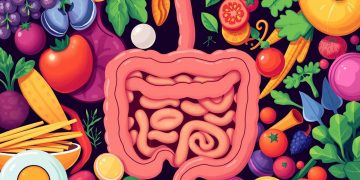
The gut microbiome plays a pivotal role in shaping nutrition choices by influencing cravings, digestion, and overall health. A diverse microbiome encourages healthier eating habits and reduces food sensitivities. Understanding this relationship empowers individuals to make informed dietary decisions for improved gut health and overall well-being.

The Impact of Social Media on Nutrition Choices and Eating Habits

Social media profoundly influences nutrition choices and eating habits by promoting visual appeal and fostering community engagement. While it empowers individuals through educational content and inspiring recipes, it also risks spreading misinformation and unrealistic standards, making critical engagement essential for maintaining healthy dietary practices.

The Role of Seasonal Eating in Promoting Sustainable Nutrition Choices

Embracing seasonal eating promotes sustainable nutrition choices that enhance personal health while benefiting the environment. By choosing locally sourced produce, consumers can reduce their carbon footprint, support local economies, and enjoy fresher, nutrient-rich foods, all while minimizing food waste and fostering a deeper connection with nature.

The Importance of Hydration in Nutrition Choices for a Balanced Lifestyle

Hydration is crucial for maintaining a balanced lifestyle, enhancing nutrient absorption, digestion, and energy levels. It supports cognitive function and physical performance while aiding weight management. Incorporating water and hydrating foods into daily nutrition choices promotes overall health and well-being, emphasizing the vital link between hydration and nutrition.

The Impact of Plant-Based Diets on Long-Term Health

Plant-based diets offer significant long-term health benefits, including reduced risks of chronic diseases like heart disease and diabetes. Rich in essential nutrients and fiber, they support weight management, cognitive function, and overall well-being. Additionally, these diets promote environmental sustainability and ethical consumption, emphasizing a holistic approach to health.


Understanding Nutritional Myths: Debunking Common Misconceptions for Better Choices

The article explores common nutritional myths, such as misconceptions about carbohydrates, fats, and protein. It emphasizes the importance of critical thinking regarding dietary choices influenced by misinformation. By debunking these myths, individuals can adopt balanced eating habits, foster healthier lifestyles, and make informed choices for better nutrition.