Menu

The Importance of Essential Nutrients in the Diet of Dogs and Cats

Understanding essential nutrients is vital for the health of dogs and cats. A balanced diet rich in proteins, fats, vitamins, and minerals caters to their unique needs, enhancing their well-being. Tailoring nutrition according to age, activity, and health conditions ensures pets lead longer, healthier lives.

The Effects of Plant-Based Diet on the Health and Longevity of Pets

The growing trend of plant-based diets for pets highlights their potential health benefits, including improved digestion, weight management, and reduced risk of chronic diseases. With careful formulation, these diets can promote longevity and enhance overall vitality, appealing to pet owners seeking healthier, sustainable nutrition options for their companions.

The Influence of the Environment on the Health and Behavior of Pets of Different Species

The article explores how the environment impacts the health and behavior of various pet species. Factors such as living space, climate, and social interaction play crucial roles in shaping pets' well-being. Understanding these influences enables pet owners to create nurturing environments, ensuring a happier and healthier life for their furry companions.

Impact of Exotic Species on Local Wildlife and Pet Health

The introduction of exotic species disrupts local wildlife and poses significant health risks to pets. These species can outcompete native organisms, introduce diseases, and alter ecosystems, leading to declines in biodiversity. Awareness and responsible pet ownership are crucial in mitigating these alarming impacts on both wildlife and pet health.

The Importance of Genetic Diversity in Dog and Cat Breeds

Genetic diversity is crucial for the health and longevity of dog and cat breeds, enhancing vitality and reducing hereditary diseases. By prioritizing diverse breeding practices, pet owners and breeders can foster healthier, more adaptable companions while minimizing risks associated with limited genetic variation and promoting a resilient, thriving pet population.

Understanding Specific Species Behaviors: What to Expect from Different Pets

Understanding pet behavior is crucial for nurturing a strong bond between owners and their companions. By recognizing the unique traits of different species—dogs, cats, rabbits, birds, and reptiles—owners can create supportive environments that cater to each pet's specific needs, enhancing their overall well-being and relationship satisfaction.

How to Deal with the Emotional Adaptation of an Adopted Animal: Strategies for a Smooth Transition

Adopting a pet involves understanding their emotional adaptation needs. Key strategies include creating a secure environment, establishing a routine, and gradually introducing them to new experiences. Being attuned to their behavioral cues fosters a supportive atmosphere, promoting a successful transition and a loving bond with your new companion.

The importance of socialization and training after adopting a pet

Adopting a pet requires a commitment to socialization and training to ensure a harmonious relationship. Early exposure to diverse environments fosters confidence and adaptability, while proper training enhances communication, safety, and behavioral skills, ultimately creating a well-adjusted companion. Prioritizing these aspects leads to a rewarding bond.

Exploring Dog Breeds: Understanding Specific Behaviors and Needs

Understanding dog breeds is essential for responsible pet ownership. Each breed has unique behaviors, exercise needs, and grooming requirements, influencing their suitability for different lifestyles. By recognizing these specific traits and health considerations, potential owners can nurture fulfilling, long-lasting relationships with their canine companions, ensuring a healthy and happy life together.


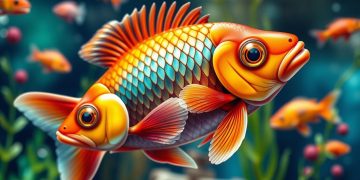
The Impact of Ornamental Fish Species on Aquariculture and Ecosystem Sustainability

Ornamental fish play a vital role in aquaculture, enhancing biodiversity while posing sustainability challenges. Responsible breeding practices and consumer education are essential for mitigating ecological impacts. With advancing technologies and a focus on ethical sourcing, the ornamental fish industry can thrive alongside efforts to protect fragile ecosystems.