Menu

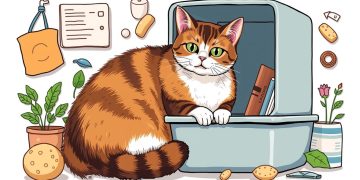
How to Successfully Train Your Cat to Use a Litter Box

Training your cat to use a litter box involves understanding their preferences, choosing the right box and litter, and establishing a consistent routine. Key factors include location, cleanliness, and positive reinforcement. By creating a comfortable and accessible environment, you can ensure successful litter box training for your feline friend.

How to Teach Your Dog Basic Commands Using Clicker Training

Discover the benefits of clicker training for teaching your dog basic commands. This method enhances communication, fosters a positive bond, and utilizes immediate feedback. Learn to effectively train your furry friend using essential commands like sit, stay, and come, ensuring an engaging and rewarding experience for both of you.

Training Older Dogs: Tips for Success and Patience

Training older dogs can be both rewarding and challenging. By employing patience, positive reinforcement, and tailored techniques, owners can improve behavior, enhance the bond, and provide mental stimulation. A compassionate approach, understanding individual needs, and integrating training into daily routines create a fulfilling experience for both dog and owner.


Effective Techniques for Housebreaking Your Puppy

Housebreaking your puppy involves patience and strategic techniques for success. Emphasizing positive reinforcement and establishing a consistent routine fosters trust and effective bathroom habits. Designating specific potty areas and understanding your puppy's signals further smoothes the process, ensuring your furry friend becomes a well-adjusted companion.

Incorporating Play into Training: Fun Methods to Teach Your Pet New Tricks

Discover how integrating play into your pet training can transform learning into an enjoyable experience. By using fun techniques like interactive games, positive reinforcement, and obstacle courses, you strengthen your bond while enhancing your pet's skills. This playful approach fosters better obedience and joyful, lasting memories.

Positive Reinforcement: Building a Strong Bond with Your Pet

Positive reinforcement fosters a deeper connection between pets and owners by promoting good behavior through rewards. This effective training method enhances trust, reduces anxiety, and improves learning. By integrating positive interactions into daily routines, pet owners can create a fulfilling and joyful companionship that thrives on mutual respect.

How to Train Your Cat to Use a Litter Box

Litter box training is vital for cat owners, requiring an understanding of feline behavior and preferences. Choosing the right box, litter type, and location, along with consistent routines and positive reinforcement, promotes effective litter box habits. Addressing common issues ensures a clean home and a happy cat.

Incorporating Mental Stimulation into Your Pet’s Training Routine

Enhancing your pet's training routine with mental stimulation significantly improves their focus and behavior while fostering a stronger bond. Incorporating interactive games, puzzles, and varied environments keeps pets engaged, reduces boredom, and promotes emotional well-being, leading to a happier companion. Discover creative ways to elevate your training sessions.

Positive Reinforcement Strategies for Training Senior Dogs

Effective training of senior dogs through positive reinforcement strategies enhances their quality of life and strengthens the bond with their owners. Tailoring techniques to accommodate physical and cognitive changes fosters trust, engagement, and learning, creating a fulfilling experience for both the dog and its owner.

Creative Ways to Teach Your Dog Fun Tricks and Commands

Discover engaging methods to teach your dog fun tricks and commands that strengthen your bond and stimulate their mind. Incorporate positive reinforcement, creative games, and unique training environments while involving family members. This rewarding journey enhances your dog's learning experience, creating joyful moments and lasting memories together.