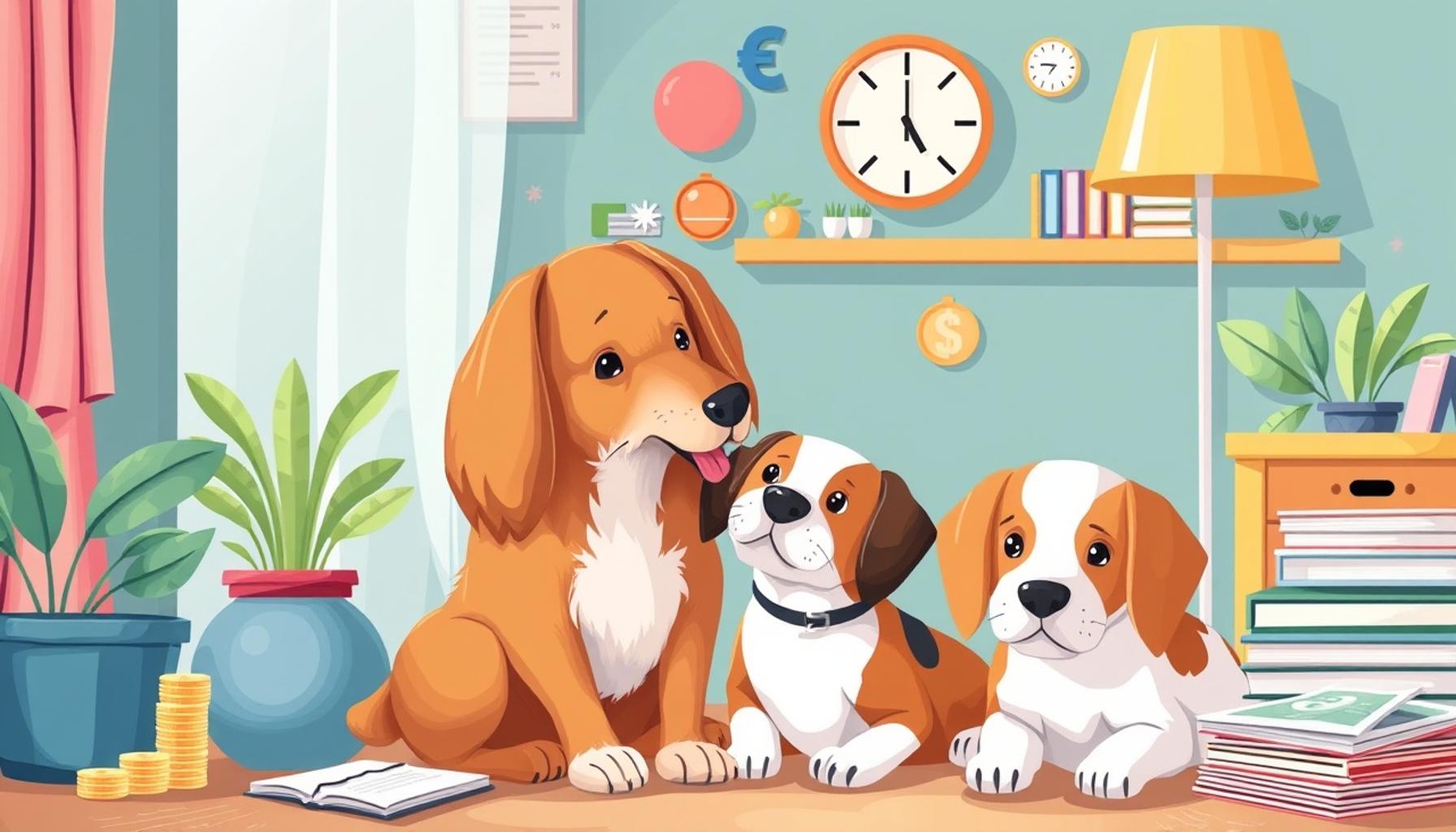
Mental Health of Pets: How Stress Affects Your Pet and How to Alleviate It
Understanding Pet Stress
The well-being of our furry companions is just as important as our own. Many pet owners may not realize that stress can significantly impact a pet’s mental health. Recognizing the signs of stress in pets is vital for ensuring their happiness and longevity.
Common Stress Indicators in Pets
Pets express their discomfort in various ways, and being vigilant about these signs is crucial to maintaining their emotional equilibrium. Here are some key indicators to watch for:
- Aggression or excessive barking: Sudden changes in behavior, such as growling, snapping, or barking more than usual, can signal stress. For example, a normally calm dog might react aggressively during a thunderstorm due to fear.
- Hiding or withdrawal: If a pet suddenly begins to isolate itself, choosing to stay under the bed or behind furniture, it may be a sign of anxiety. Cats, in particular, often seek out secluded spots when feeling unsettled.
- Changes in appetite: Stress can manifest in altered eating habits. A normally voracious eater may refuse food altogether, while some pets may overeat as a coping mechanism, leading to obesity and further health issues.
- Destructive behavior: Chewing on furniture, scratching at doors, or other forms of destruction can indicate frustration or boredom stemming from stress. This behavior is often seen in pets left alone for extended periods or those who lack mental stimulation.
Awareness of these indicators can help you identify when your pet is feeling overwhelmed. It’s crucial to address these issues promptly to help maintain their mental health.
Why Is Pet Mental Health Important?
Just like humans, pets experience anxiety and stress, which can lead to serious behavioral problems. Furthermore, research shows that stressed pets are more susceptible to physical health issues, such as:
- Weakened immune systems: Prolonged stress can suppress the immune system, making pets more vulnerable to infections and diseases.
- Digestive disorders: Stress can cause gastrointestinal problems in pets, such as diarrhea or constipation, which can further complicate their health.
- Chronic conditions: Ongoing stress can contribute to chronic health issues like skin conditions or allergies, often leading to costly veterinary bills.
Understanding the relationship between stress and health is essential for every responsible pet owner. By ensuring a peaceful environment and providing mental stimulation through games, socialization, and training, pet owners can create a nurturing space for their companions.
In the upcoming sections, we’ll delve into practical strategies to alleviate stress in pets and enhance their overall quality of life. Techniques such as regular exercise, enriched environments, and calming products can make a difference in your pet’s daily experience, paving the way for a happier, healthier existence. Stay tuned to unlock effective ways to improve your furry friend’s mental well-being!
Dive Deeper: Click here to learn how to enhance your pet’s health with nutritional supplements</p
Effective Strategies to Alleviate Pet Stress
Once you’ve recognized the signs of stress in your pet, the next crucial step is to implement effective strategies to alleviate it. Just as we manage our mental health with various techniques, pets also benefit from a range of interventions designed to promote their emotional well-being. Understanding and integrating these strategies can not only relieve your pet’s stress but also foster a stronger bond between you and your furry friend.
Regular Exercise and Physical Activity
One of the foundational elements to maintaining a pet’s mental health is ensuring they receive adequate exercise. Regular physical activity helps to release pent-up energy and reduces anxiety. Activities vary depending on the pet’s needs; for instance, active dogs might enjoy a long walk, fetch sessions, or agility courses, while indoor cats can benefit from interactive toys and climbing structures. Incorporating a routine that includes:
- Daily walks: Not only does this provide physical exercise, but it also exposes pets to new environments, sounds, and smells, all of which stimulate their minds.
- Playtime: Engaging in games like tug-of-war or hide-and-seek provides mental stimulation and strengthens your bond.
- Social activities: Arranging playdates or visits to dog parks allows pets to interact with other animals, helping reduce feelings of isolation.
Creating Enriching Environments
Another effective way to enhance your pet’s mental well-being is by providing an enriched environment. A stimulating home can significantly reduce stress levels. Here are some suggestions for creating a more enriching environment:
- Toys and puzzles: Invest in toys that encourage problem-solving and challenge your pet’s intellect. Puzzle toys that dispense treats can keep them occupied and mentally stimulated.
- Safe spaces: Providing secluded areas where pets can retreat can help them feel secure. Whether it’s a cozy bed in a quiet corner or a designated crate, having a refuge is crucial.
- Routine: Pets thrive on routine, making them feel secure. Regular feeding, walking, and playtime contribute to an atmosphere of stability.
Implementing these strategies can create a nurturing environment that mitigates stress. However, if your pet’s anxiety persists despite these efforts, consulting with a veterinarian or a professional animal behaviorist might be necessary. These experts can guide you in exploring further options, from behavioral therapy to calming products, that may best suit your pet’s specific needs.
As we continue to explore the various dimensions of pet mental health, we will provide insights into calming products and practices that can further assist in alleviating your pet’s stress and cultivating a happier, healthier life for them.
| Advantage | Explanation |
|---|---|
| Reducing Anxiety | Creating a calm environment can significantly reduce pets’ anxiety, leading to a healthier mental state. |
| Enhanced Bonding | Engaging in stress-relief activities such as playtime helps strengthen the bond between you and your pet, fostering mutual trust. |
Understanding how stress impacts your pet’s mental health is crucial for every pet owner. Stress can manifest in behaviors such as excessive barking, destructive tendencies, and withdrawal. It’s essential to identify these signs early to implement effective strategies for alleviation. For instance, regular exercise not only helps to burn off excess energy but also serves as an effective outlet for stress. In addition, socialization with other animals can greatly enhance your pet’s confidence and reduce feelings of anxiety.Moreover, introducing calming techniques such as massage or soothing music can aid in reducing your pet’s stress levels. Incorporating these stress management techniques could lead to a happier, healthier, and more interactive pet. Remember, your pet’s emotional wellbeing directly affects their physical health, making it imperative to address their stress. Explore various methods to enrich your pet’s environment and keep their mental health in check.
LEARN MORE: Click here to discover the impact of nutrition on your pet’s health
Calming Products and Techniques to Support Your Pet’s Mental Health
In addition to creating a nurturing environment and ensuring regular exercise, various calming products and techniques play a pivotal role in supporting the mental health of pets. By integrating these resources into your pet-care routine, you can enhance your pet’s overall well-being and minimize stress-related issues significantly.
Calming Aids and Supplements
The market is replete with a variety of calming products that not only improve your pet’s mood but also help reduce anxiety and stress. Here, we explore some popular options:
- Calming collars: These collars are infused with natural calming pheromones that can help reduce anxiety in dogs and cats alike. They’re particularly useful during stressful events, such as thunderstorms or fireworks.
- Herbal supplements: Natural products such as valerian root and chamomile can promote relaxation without harmful side effects. Always consult your veterinarian before adding any supplements to your pet’s diet.
- Calming treats: Similar to supplements, many pet companies offer treats designed to soothe anxiety. Look for those labeled with ingredients known for their calming properties.
Practices That Foster Relaxation
Beyond products, practical techniques can be implemented to further encourage relaxation and tranquility. Here are some practices to incorporate into your pet’s daily routine:
- Massage therapy: Just like humans, pets can benefit from gentle massages. Regularly massaging your pet can help alleviate tension and promote overall relaxation.
- Music therapy: Research indicates that certain types of music, particularly classical music, can have a calming effect on pets. Many pet owners have found that playing soft music reduces their pets’ anxiety during stressful occasions.
- Desensitization therapy: This method involves gradually exposing your pet to the stressor in a controlled environment, helping them build tolerance and reduce fear over time. For example, if your dog is scared of loud noises, start playing recordings at low volumes and gradually increase them as your pet becomes more comfortable.
Consulting a Professional
Sometimes, despite our best efforts at home, pets struggle with anxiety that requires professional intervention. By consulting with a veterinarian or a professional animal behaviorist, you can access expert guidance tailored to your pet’s specific anxiety issues. These professionals can provide behavioral modifications strategies and recommend therapies that may include:
- Behavior modification plans: These plans consist of structured programs that reshape a pet’s response to anxiety-inducing triggers through positive reinforcement.
- Prescription medications: In cases of severe anxiety, veterinarians may prescribe medication that can help manage your pet’s stress while integration calming strategies.
- Training classes: Enrolling your pet in training classes that focus on desensitization and socialization techniques can equip them with the skills needed to cope with an array of situations.
Understanding the various tools and practices available is essential in taking proactive steps toward maintaining the mental health of your pets. By combining these calming approaches with a loving and responsive environment, you can significantly minimize stress and enhance your pet’s overall quality of life.
DON’T MISS OUT: Click here to discover fun ways to teach your dog tricks!
Conclusion: A Holistic Approach to Your Pet’s Mental Health
In conclusion, fostering the mental health of our pets is a vital aspect of responsible pet ownership that often goes overlooked. Just as humans experience stress and anxiety, our furry companions can suffer significantly from these emotional challenges, leading to behavioral issues and deteriorating well-being. By recognizing the signs of stress and understanding how it manifests in pets, we can take conscious steps to alleviate their distress and improve their lives.
Creating a supportive environment filled with love, exercise, and stimulation is paramount. Integrating calming products—ranging from collars to herbal supplements—along with practical relaxation strategies such as massage and music therapy can make a profound difference. Furthermore, seeking professional guidance when necessary adds another layer of support, whether through behavior modification, prescription interventions, or training classes.
Ultimately, being proactive in addressing your pet’s mental health not only enhances their quality of life but also strengthens the bond you share with them. As the awareness of pet mental health continues to grow, it is essential to explore further and adapt these strategies to fit the unique needs of your animal. After all, a happy, healthy pet contributes to a joyful and enriching experience for both the pet and the owner. Prioritize their well-being today, and watch as they thrive in an environment crafted with care and understanding.