The Fascinating Variety of Bird Species as Pets: Understanding Their Needs and Behaviors
Exploring the Enchanting World of Pet Birds
The vibrant world of pet birds captures the imagination of countless bird enthusiasts across the globe, and the United States is no exception. With over 10,000 bird species populating our planet, many of these beautiful creatures have adapted to human companionship and have become cherished pets in homes everywhere. Yet, being a responsible bird owner goes well beyond providing simply food and shelter. It requires a nuanced understanding of the specific needs, behaviors, and habitats that each species thrives in.
Types of Pet Birds
Pet birds can be primarily classified into several captivating categories:
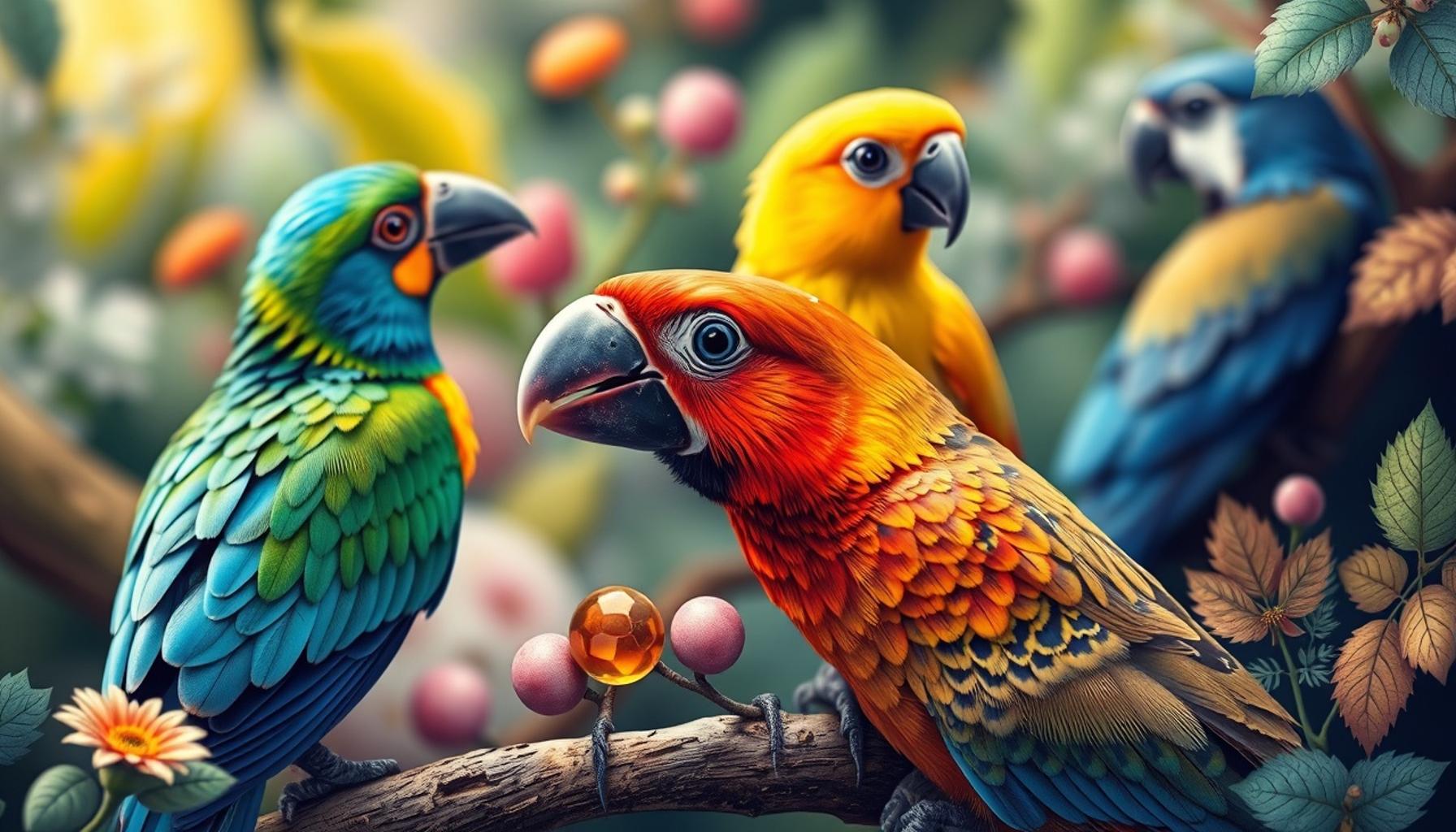
- Parrots: These colorful birds, including popular species like the African Grey and Macaw, are renowned for their remarkable intelligence and entertaining vocal mimicry. Parrots can develop extensive vocabularies and require mental challenges to stay engaged, making them a joy for owners who enjoy interactive companions.
- Canaries: Celebrated for their melodious tunes, canaries are often seen in homes for their beautiful songs and striking colors. Varieties such as the American Singer or the Border Canary have captivated many with their unique vocal abilities, appealing to those who delight in avian melodies.
- Finches: These small, social birds play exceptionally well with others of their kind. Species like the Zebra Finch and Society Finch thrive in pairs or groups, offering owners a delightful display of social interaction and playful antics.
- Doves and Pigeons: Known for their gentle demeanor and soothing cooing sounds, these birds bring a sense of serenity to any household. Doves, such as the Ringed Neck Dove, are often very affectionate and can recognize their owners, fostering a unique bond.
Fundamental Care Requirements
Understanding the individual needs of each species is crucial to fostering a healthy and happy environment for your feathered friends. Here are key factors to consider:
- Diet: The nutritional requirements for birds can vary dramatically. For instance, parrots require a rich and diverse diet consisting of fruits, vegetables, seeds, and pellets, while canaries may thrive primarily on seeds with occasional greens. It’s essential to research specific dietary guidelines to maintain optimal health.
- Social Interaction: Birds are inherently social creatures. Many species, particularly parrots and finches, require companionship—whether it’s from other birds or from their human caregivers—to prevent loneliness and psychological distress. Engaging with your bird through handling, talking, or play can significantly enhance their well-being.
- Environmental Enrichment: Providing a stimulating environment is vital for a bird’s mental and physical health. Toys, perches, and opportunities for flight and exploration allow birds to engage in natural behaviors. For example, consider investing in swings, ladders, or foraging toys that challenge their problem-solving skills.
As you delve further into the enchanting variety of pet birds, you’ll uncover a wealth of unique behaviors and intriguing characteristics that can enrich both your life and that of your avian companion. By understanding and catering to their specific needs, you not only foster the well-being of your pet but also forge a deep, lasting bond that can bring joy to your everyday life. The journey into avian companionship is one filled with wonder, communication, and the delight of shared experiences. Whether you’re a seasoned bird aficionado or a newcomer to the world of pet birds, embracing the nuances of their care opens the door to a fulfilling relationship unlike any other.
DISCOVER MORE: Click here for deeper insights
Understanding Bird Behavior and Communication
To appreciate the captivating variety of pet birds, one must delve into the complex behaviors and communication styles that characterize different species. Each type of bird offers its own unique personality traits and social interactions, which can profoundly influence the quality of companionship they provide. Understanding these behaviors not only helps in meeting their needs but also enriches the relationship between bird and owner.
Vocalization and Communication Styles
Birds are known for their varied and often melodic communication. Some species, like the parrot, are famous for their ability to mimic human speech and sounds, creating an enchanting dynamic in the household. Parrots can express emotions through vocalizations, and with enough social interaction and training, they can become interactive conversationalists. On the other hand, canaries and finches have their melodious notes that provide a delightful soundtrack to daily life but are less inclined to mimic speech. Understanding what different sounds mean can significantly enhance the connection between you and your bird.
Social Structure and Interaction
Birds display a diverse range of social behaviors that reflect their natural instincts. For instance, finches are highly social animals and thrive in groups, often engaging in playful displays of affection known as allopreening, where they will groom one another. Providing companionship can help alleviate loneliness and keep these small birds mentally stimulated. In contrast, parrots often form strong bonds with their human caregivers, seeking interaction and affection. This bond typically requires daily social engagement, including playtime and interaction, to fulfill their social needs. Neglecting these interaction requirements can lead to behavioral issues in pet birds, such as excessive screeching or other destructive behaviors.
Recognizing and Responding to Body Language
Understanding a bird’s body language is vital in addressing their emotional and psychological needs. Birds may exhibit various physical cues that can indicate their comfort or distress. For instance:
- Feather Position: If a bird’s feathers are fluffed up, it may indicate contentment or relaxation, while a bird that is ruffled and appearing agitated could be feeling threatened or anxious.
- Moods and Posture: Birds that are perched upright and engaging with their surroundings are likely feeling confident and secure. Conversely, a bird that is hiding or crouching may feel frightened or stressed.
- Wing and Tail Movements: A bird that flaps its wings and hops around may be excited or playful, while aggressive species may puff up and spread their tail feathers as a warning sign.
By honing your skills in observing and interpreting these behaviors and communication styles, you can provide the support and environment necessary for your pet bird’s happiness. Each bird species not only has its own set of needs but also its distinct personality traits that enrich the human-animal bond, making the experience of caring for them an incredibly rewarding part of pet ownership.
The Fascinating Variety of Bird Species as Pets: Understanding Their Needs and Behaviors
As pet owners seek to enrich their lives with fascinating companions, birds have emerged as a popular choice. However, each bird species has unique needs and behaviors that require thoughtful consideration. Understanding these can significantly enhance the quality of life for both the bird and its owner.
For instance, parakeets are known for their social and playful nature. These small birds thrive in environments where they can interact frequently with their human companions and fellow birds. They require a spacious cage with toys and perches to stimulate their natural curiosity and intelligence. Moreover, regular out-of-cage time is crucial for their physical and mental well-being.
On the other hand, <strong, cockatoos are renowned for their affectionate nature, often forming deep bonds with their owners. These birds need not only love and companionship but also mental challenges to curb destructive behaviors. They require an environment rich in interaction, with various toys that encourage problem-solving and creativity. Bird owners interested in cockatoos should prepare for their loud vocalizations, as they are known for their vocal prowess.
Additionally, canaries and finches bring their own unique charm to the table. Canaries, often appreciated for their melodious singing, require a peaceful environment and a diet rich in seeds, fruits, and greens. Finches, meanwhile, are more social creatures and are happiest in groups. They require ample space to fly and engage with one another, making them perfect for those looking to keep multiple birds.
| Category | Details |
|---|---|
| Social Interaction | Birds like parakeets and cockatoos thrive on social engagement, which is essential for their mental health. |
| Environmental Enrichment | Providing toys and space for physical activity helps prevent destructive behaviors and ensures happiness. |
Understanding the intricate behavioral patterns of these birds not only fosters a healthy environment but also nurtures a deeper bond between pet and owner. By catering to their specific needs—from dietary preferences to social interactions—bird enthusiasts can enjoy an enriching experience that enhances their daily lives while providing a safe and loving home for their feathered friends.
DON’T MISS: Click here for tips on preparing your home for your new furry friend!</p
Creating the Optimal Environment for Pet Birds
In addition to understanding bird behavior and communication, creating a suitable environment is essential for the well-being of pet birds. Each species has specific environmental needs that must be addressed to ensure they thrive in captivity. From cage size and design to habitat enrichment, meeting these requirements is crucial for fostering a happy and healthy pet.
Cage Requirements and Space Considerations
The size and design of a bird’s cage significantly influence its quality of life. Larger birds, such as macaws and cockatoos, require spacious accommodations that allow for movement and climbing. These species thrive in cages that are not only tall but also provide ample width so they can stretch their wings and engage in natural behaviors. Ideally, the cage should be at least two wingspans wide for smaller species, such as budgerigars, to prevent restrictive movements that can lead to stress.
Environmental Enrichment and Stimulation
Pet birds are naturally curious creatures that need mental stimulation to remain engaged and healthy. Providing environmental enrichment is paramount, and this can be achieved through toys, perches, and various activities. For instance, parrots adore toys that encourage chewing, climbing, and problem-solving. Activity-based toys, such as puzzles and foraging devices, keep birds entertained and can mimic their natural searching behaviors. Furthermore, rotating toys regularly can maintain a fresh environment that helps prevent boredom.
Birds also benefit from varied perching options. Natural wood branches of varying diameters offer exercise and promote foot health, while perches of different textures can help keep their feet healthy and stimulated. Adding visual elements like mirrors, leafy plants, or spending time outdoors (in a safe, enclosed environment) can significantly enhance a bird’s surroundings.
Dietary Needs and Nutrition
Nutrition plays a vital role in the overall health of pet birds. Different species have unique dietary requirements that reflect their natural diets in the wild. For example, seed-based diets might be suitable for some species, but others, like parakeets, benefit from a more pelleted diet along with fresh fruits and vegetables. A varied diet rich in vitamins and minerals ensures that birds maintain optimal health and vitality.
It is important to note that some foods can be toxic to birds. Avocado, chocolate, and certain nuts or seeds can cause health complications. Researching and understanding the specific dietary needs of your bird species is crucial for preventing dietary-related issues.
Temperature and Humidity Considerations
Your bird’s habitat should reflect the appropriate temperature and humidity levels akin to their natural environment. Most pet birds thrive in temperatures between 65°F and 80°F. Fluctuations and drafts can lead to stress or illness, so it’s important to monitor the bird’s living conditions closely. Additionally, humidity levels should be regulated, particularly for tropical species, which may require a more humid environment to maintain their health.
By focusing on these aspects of your pet bird’s habitat, you can create a nurturing environment that meets their specific needs while enhancing their natural behaviors. With the right care and attention, the fascinating variety of bird species as pets can truly flourish, offering delightful companionship and enriching experiences for their owners.
DIVE DEEPER: Click here to discover effective training strategies
Conclusion: Embracing the Joy of Pet Birds
The world of pet birds is truly captivating, filled with an incredible variety of species, each bringing unique personalities and charms to their human companions. Understanding their needs and behaviors is essential for fostering a nurturing relationship that not only enhances their quality of life but also deepens the bond between pet and owner. As we’ve explored, the fundamental aspects of habitat design, enrichment activities, and appropriate nutrition are pivotal for their overall health and happiness.
Moreover, it is important to recognize that each bird species—be it a lively parakeet, a majestic macaw, or a colorful canary—has its own set of requirements influenced by its natural habitat. By providing a stimulating environment that mimics their wild conditions, we not only contribute to the birds’ physical well-being but also allow them to express their natural instincts, from foraging to socializing.
As you consider welcoming a feathered friend into your home, commitment and education must go hand in hand. Researching the specific needs of different avian species, such as temperature preferences and social interactions, will guide you in creating the optimal living conditions for your pet. This thoughtful approach not only ensures a fulfilling life for your bird but also enriches your own life with joy, companionship, and the wonders of nature.
In conclusion, delving into the fascinating world of pet birds encourages us to respect and understand these extraordinary creatures as individuals. By appreciating their diverse needs, behaviors, and lifestyles, we can create a harmonious coexistence that celebrates the beauty of avian life. Whether you are a new bird owner or a seasoned enthusiast, there is always more to explore about the delightful world of pet birds.