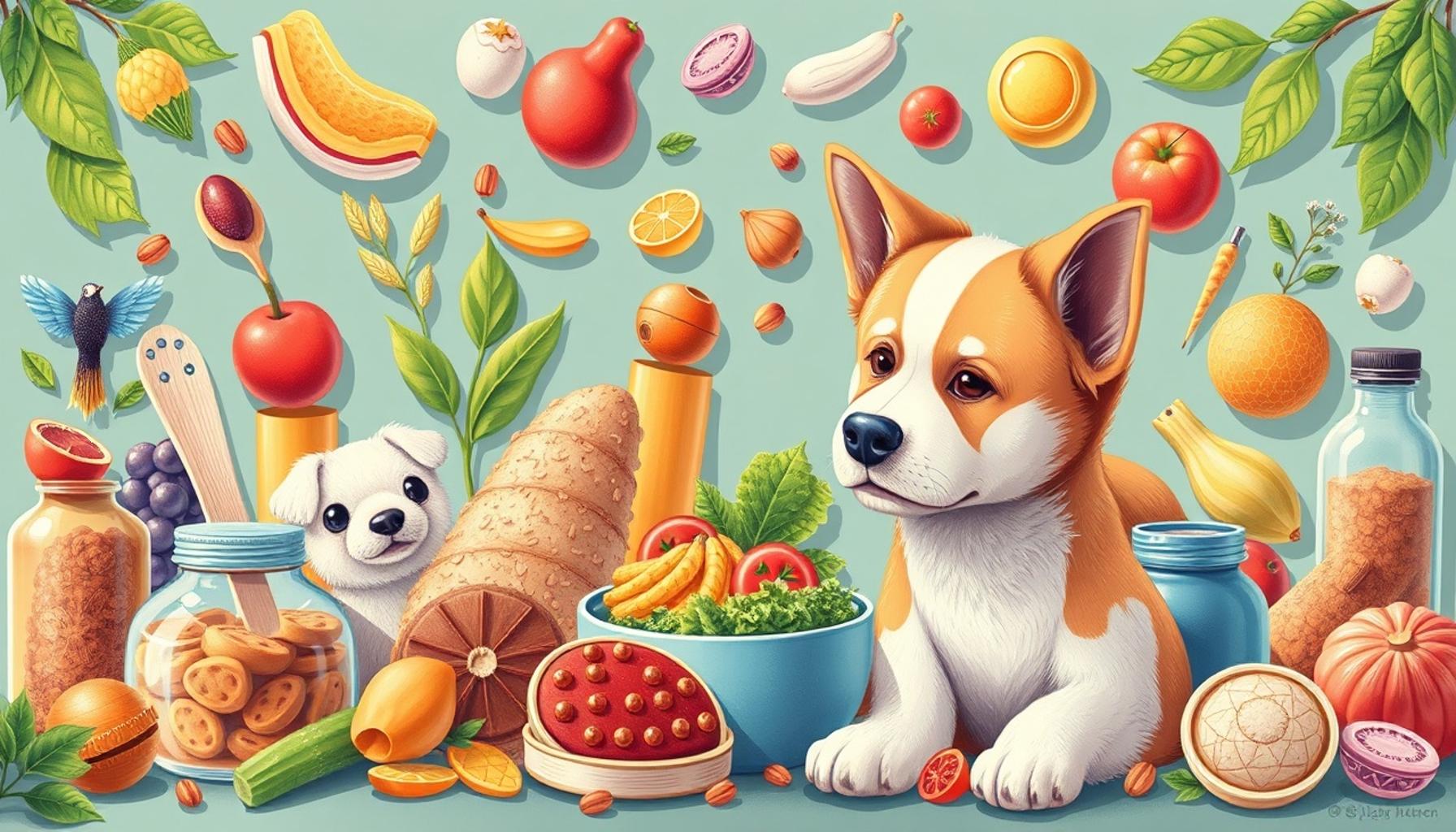
The Impact of Nutrition on Pet Longevity
The Importance of Nutrition in Ensuring Your Pet’s Longevity
A pet’s diet is more than just a source of energy; it significantly influences overall health and lifespan. Research has shown that proper nutrition can lead to a longer, healthier life for our furry companions. Just like humans, pets thrive on a balanced diet that meets their specific nutritional needs. It is essential to understand that the ingredients and composition of a pet’s food can make a remarkable difference in their health outcomes over the years.
When evaluating pet nutrition, several factors come into play that pet owners must consider to ensure the best possible dietary choices. Here are some key components:
- Quality Ingredients: Look for food that contains high-quality proteins, healthy fats, and essential vitamins. Ingredients such as real meat, fish, or poultry should be prioritized over fillers like corn or wheat. For example, a diet rich in omega-3 fatty acids can promote a shiny coat and healthy skin.
- Life Stage Nutrition: Puppies and kittens require different nutrients than adult and senior pets. For example, puppy foods are richer in protein and calories to support rapid growth and development, while senior diets often include easier-to-digest ingredients and lower calories to prevent obesity.
- Special Dietary Needs: Some pets may have specialized diets due to health conditions or sensitivities, such as allergies or diabetes. Consulting with a veterinarian to tailor your pet’s diet to their unique health requirements is crucial.
Additively, longevity is not solely dependent on what we feed our pets but also how we feed them. Portion control is essential in preventing overeating, which can lead to obesity and its associated health problems, including diabetes and joint issues. Establishing a feeding schedule helps regulate eating habits and can improve digestion, making mealtimes less chaotic and more enjoyable.
Moreover, the mealtime experience contributes to emotional well-being. Engaging with your pet during feeding—whether through offering treats during training or providing a cozy feeding area—can strengthen your bond, which is also vital for their emotional health.
In the following sections, we will delve deeper into the intricate connection between nutrition and pet longevity. Insights from veterinary experts and recent studies will illuminate how simple adjustments in diet can lead to remarkable outcomes for your pet’s health and longevity. With informed choices, we can give our pets the best chance at a healthier, longer life filled with happiness and vitality.
DISCOVER MORE: Click here to learn about the benefits and challenges of natural nutrition in pet diets
Understanding the Connection Between Nutrition and Pet Health
Pets, much like humans, require a well-balanced diet to maintain their vitality and ensure longevity. The synergy between diet and health prompts an exploration into how nutrition affects every aspect of a pet’s life, from energy levels to disease resistance. Veterinary research has increasingly demonstrated that the right nutritional choices can not only enhance a pet’s quality of life but also extend their lifespan. So, what elements should pet owners be aware of when considering their furry friend’s diet?
One of the first considerations in pet nutrition is the importance of macronutrients. These are the nutrients that provide the bulk of an animal’s energy needs and include:
- Proteins: Essential for growth, repair, and maintenance of tissues. High-quality proteins support muscle mass and immune function.
- Fats: Necessary for skin health, brain development, and absorption of certain vitamins. Omega fatty acids have proven benefits for skin and coat health.
- Carbohydrates: While often debated, they can provide a quick energy source and are important for digestive health when sourced from grains and vegetables.
Moreover, the role of micronutrients—vitamins and minerals—should not be overlooked. These elements are crucial for metabolic processes and help protect against oxidative stress. A deficiency in vitamins such as A, D, and E can lead to severe health issues, emphasizing the need for pet diets to be nutritionally complete and balanced.
The Role of Veterinary Guidance in Pet Nutrition
While many pet owners are eager to provide the best for their animals, navigating the myriad of dietary options available can be overwhelming. Consulting with a veterinarian can illuminate the most appropriate dietary choices tailored to an individual pet’s needs. Factors such as breed, age, and existing health conditions play a pivotal role in determining the optimal diet. For example:
- Large breeds often require specific diets that help prevent joint issues typical for their size.
- Senior pets may benefit from diets lower in calories and higher in fiber to maintain healthy weight and digestion.
- Pets with allergies may need hypoallergenic diets designed to eliminate common allergens.
In addition to individualized diets, the importance of feeding frequency and portion control cannot be overstated. Many pet owners fall into the trap of free-feeding, which can lead to obesity—one of the most significant health threats to domestic animals. Implementing a structured feeding schedule can aid in maintaining a healthy weight and can also improve digestion.
The feeding experience itself merits attention as well. Engaging with pets during mealtime, whether through interactive feeding toys or simply spending quality time, not only enriches the experience but also contributes to emotional health. The connection between mental well-being and physical health is profound, establishing yet another layer of importance around the nutritional aspects of pet care.
As we continue to explore the connection between nutrition and pet longevity, various studies and expert insights will highlight the significant benefits that can be derived from informed nutritional choices. Creating a long, healthy life for your pet is as much about understanding their dietary needs as it is about quality time and connection.
The Role of Specific Nutrients in Pet Health
Nutrition plays a revolutionary role in extending the lifespan of our pets, with specific nutrients contributing significantly to their overall well-being. Among these, essential fatty acids, proteins, vitamins, and minerals stand out. These nutrients not only aid in growth and maintenance but also enhance cognitive function, boost immunity, and reduce the risk of chronic diseases.Essential fatty acids like Omega-3 and Omega-6 are crucial for promoting healthy skin and a shiny coat, as well as supporting heart health. Research indicates that pets receiving adequate Omega-3s may have a decreased risk of inflammatory diseases, a common issue in older animals. Meanwhile, high-quality proteins are vital for muscle maintenance and body repair. Aging pets often suffer from muscle loss, and incorporating sufficient protein into their diet can help combat this decline. Additionally, the right balance of vitamins and minerals can prevent various health problems. For instance, antioxidants such as Vitamin E and Beta-Carotene can combat oxidative stress, potentially leading to a longer, healthier life. It’s important to recognize how tailored diets that meet the specific needs of pets at different life stages—puppy, adult, and senior—can profoundly impact longevity. Pet owners should consider working with veterinarians to develop a nutritional strategy that prioritizes their pet’s unique requirements based on age, breed, and health status.Moreover, observing promising studies that link better nutrition with longevity might encourage a shift in how pet owners view their furry friends’ diets. Research highlighting the necessity of whole foods versus processed items is ushering in an era where diets rich in natural ingredients are favored, prompting further investigation into how optimized nutrition can aid in extending the lives of our beloved pets. To summarize, understanding the impact of nutrition not only enhances the quality of life for pets but may also be a determining factor in their longevity. Through informed dietary choices, pet owners hold the power to influence their companion’s health in profound and lasting ways.
DISCOVER MORE: Click here to learn about the importance of socialization and training for adopted pets
Nutritional Components that Promote Longevity
In addition to the balance of macronutrients and micronutrients, several nutritional components can significantly influence pet longevity. These ingredients not only foster better health but also provide a protective effect against various diseases that can shorten a pet’s lifespan. Understanding and incorporating these elements into a pet’s diet can yield substantial benefits.
The Power of Antioxidants
One of the most critical components is antioxidants. Found in fruits, vegetables, and grains, antioxidants combat oxidative stress caused by free radicals, which are unstable molecules that can damage cells. Common antioxidants include vitamins C and E, selenium, and beta-carotene. Research indicates that diets rich in antioxidants may lead to improved immunity, reduced inflammation, and enhanced cognitive function in pets. For instance, blueberries and spinach are widely touted as superfoods for pets, demonstrating properties that can aid significantly in delaying age-related decline.
Importance of Fiber
Fiber is another essential element that contributes to the health and longevity of pets. A diet that incorporates adequate fiber can improve digestive health, preventing issues such as constipation and obesity, which are consequential to various health conditions. Additionally, fiber helps maintain a healthy gut microbiome, which supports overall health and can even contribute to a robust immune system. Sources such as pumpkin, sweet potatoes, and brown rice are fantastic natural sources of fiber that pet owners can easily incorporate into their pet’s meals.
The Role of Hydration
While it may not be a traditional aspect of nutrition, hydration is crucial for maintaining health and longevity in pets. Water plays a vital role in digestion, nutrient absorption, and temperature regulation. Dehydrated pets can experience increased risks of kidney disease and urinary tract infections, particularly in older animals. Therefore, providing fresh water at all times and considering moisture-rich diets, such as wet food, can enhance hydration and support overall wellness. It is essential for pet owners to ensure their pets consume an adequate amount of water daily, especially in hot or active conditions.
<h3Commercial Diets vs. Home-Cooked Meals
When considering dietary options, pet owners often face the dilemma of commercial diets versus home-cooked meals. Commercial pet foods can offer convenience and formulations specifically designed to meet the nutritional needs of pets, including complete and balanced options. However, some pet owners prefer the transparency and customization that home-cooked meals can provide, ensuring their pets receive quality ingredients without fillers and artificial additives. It is vital to research and consult with a veterinarian if choosing home-cooked options, as improper formulations can lead to nutrient deficiencies.
Benefits of Joint Supplements
Particularly for senior pets, incorporating joint supplements can be another avenue to promote longevity. Ingredients such as glucosamine and chondroitin sulfate help maintain joint health and reduce the risk of arthritis, a common ailment in aging animals. By providing these supplements or looking for food that includes these components, pet owners can help improve their pets’ mobility and quality of life throughout their later years.
As pet owners delve deeper into the intricacies of nutrition, it becomes increasingly clear that an informed approach to pet diet can have tremendous effects on longevity. By integrating antioxidants, fiber, hydration, and appropriate supplementation into their pets’ diets, caregivers actively contribute to the long-term health and vitality of their beloved companions.
DISCOVER MORE: Click here to learn about the vital role of biodiversity in exotic pets
Conclusion: A Pathway to Longer Lives
As we’ve explored, the impact of nutrition on pet longevity is profound and multifaceted. A well-balanced diet enriched with essential nutrients is crucial not only for managing current health but also for paving the way to a longer, healthier life for pets. Key components such as antioxidants, fiber, and hydration stand out as vital contributors to overall wellness, combating aging processes and preventing disease.
The choice between commercial diets and home-cooked meals often presents a conundrum for pet owners, but understanding the specifics of each option equips caregivers to make informed decisions that cater to their pet’s unique needs. Moreover, including joint supplements in the diet can enhance mobility and enrich the quality of life, particularly for aging pets.
Ultimately, the responsibility lies with pet owners to remain vigilant and proactive in their approach to nutrition. By prioritizing these dietary aspects, pet owners not only improve their pets’ health and happiness but also extend the cherished time spent together. It’s a call to action for all responsible pet guardians to delve into the nuances of pet nutrition, because every meal is a building block for a longer lifespan. Applying this knowledge can lead to remarkable changes, allowing our beloved companions to thrive well into their golden years. In a world where quality of life matters, it is nutrition that acts as a significant determinant on this journey.